STRANDOMS: the stray and random thoughts
Feb 16 , 2026
S.RAMKUMAR
Diversity and depth of the unseen Veterinary practice
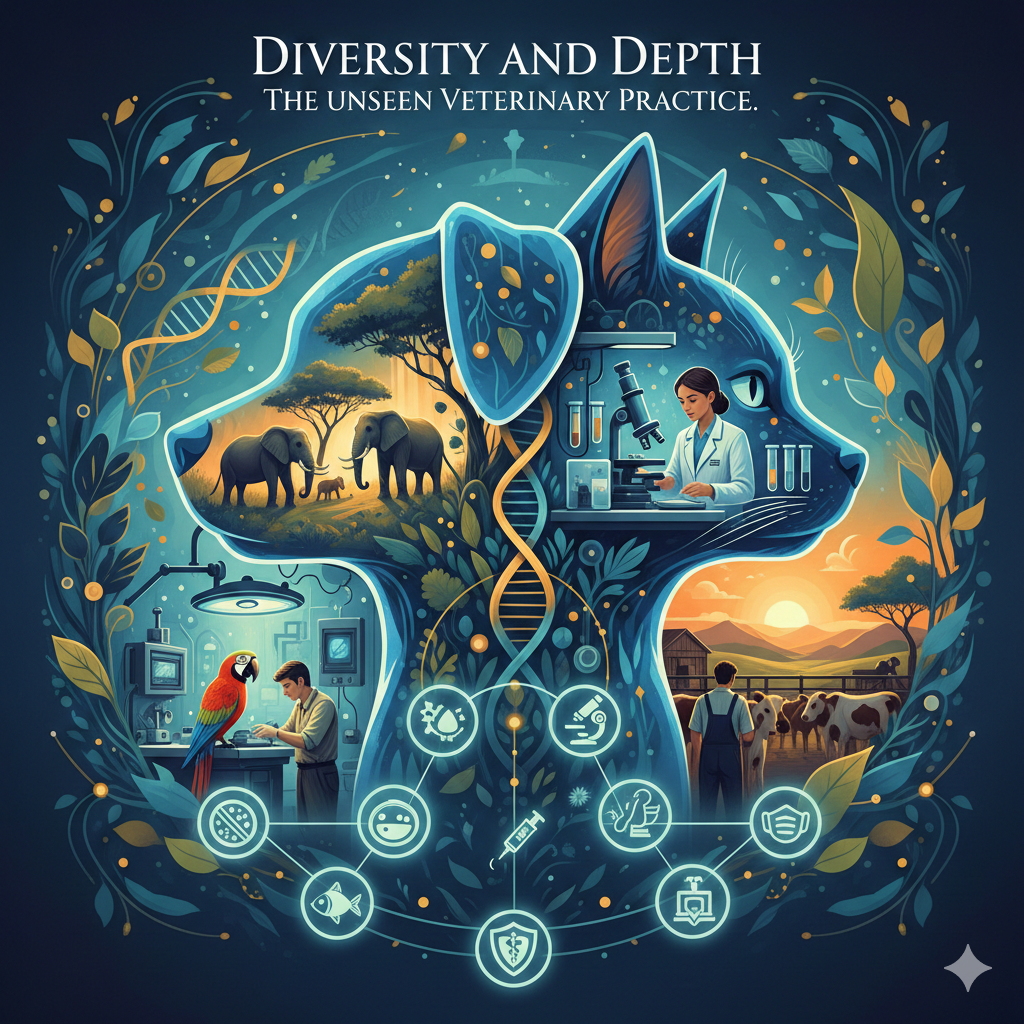
The world of veterinary practice extends far beyond what meets the eye, encompassing a rich diversity and depth that often goes unseen. From wildlife conservation and exotic animal care to advanced surgical procedures and cutting-edge research in animal genetics, veterinary professionals navigate a vast array of specialties. They tackle complex health challenges in both domestic and wild animals, work in diverse environments from rural farms to urban clinics, and contribute to public health and food safety. This unseen breadth of their practice highlights not just their expertise but also their invaluable role in maintaining the health and well-being of our planet.
The future of Veterinary practice
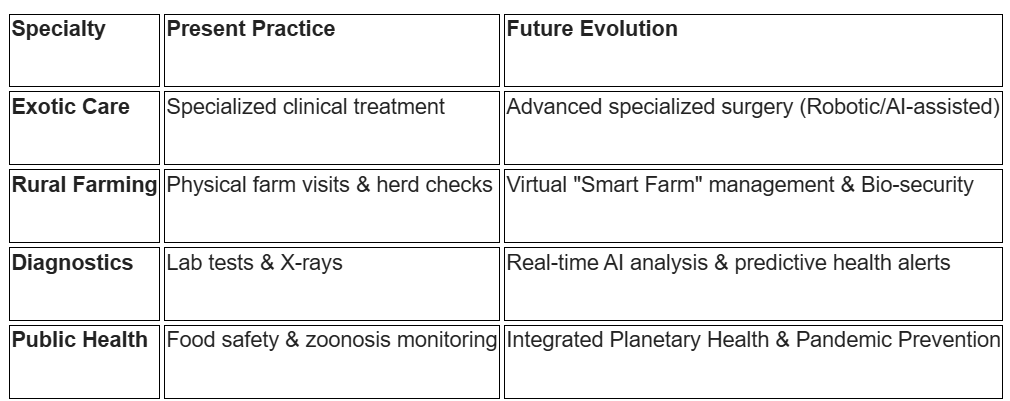
Based on the “unseen” diversity of the present, the future of veterinary practice is moving toward a more integrated, tech-driven, and planetary-scale profession. The roles that are currently considered “specialized” or “behind the scenes” will become the central pillars of how we manage global health.
Here is how those present ideas may evolve:
- From “Conservation” to “Ecosystem Engineering”
In the future, wildlife veterinarians won’t just treat individual injured animals; they will act as guardians of entire biomes.
- Predictive Surveillance: Using AI and satellite data to predict disease “spillover” events before they reach human populations.
- Bio-Robotics & Drones: Remote surgery and health monitoring of wild populations via non-invasive drones, reducing the need for stressful human-animal contact.
- eDNA Monitoring: Analyzing environmental DNA from water or soil to track the health of elusive species without ever seeing them.
- Precision Medicine & Genetic Architecture
The “cutting-edge research” of today will become the standard clinic protocol of tomorrow.
- Genomic Tailoring: Instead of a “standard dose” of medicine, treatments will be customized to an animal’s specific genetic profile.
- mRNA & CRISPR: Rapid development of mRNA vaccines for emerging zoonotic diseases and the use of gene editing to eliminate hereditary conditions in domestic and livestock breeds.
- Synthetic Organs: 3D bioprinting of tissues and organs for complex surgeries in both exotic and domestic species.
- The “One Health” Command Center
The veterinarian’s role in public health and food safety will shift from “inspection” to “data-driven leadership.”
- Smart Farming: Veterinarians will manage “Digital Twins” of entire herds, using ingestible sensors and wearables to monitor health, stress, and nutrition in real-time.
- Global Pandemic Defense: Vets will occupy top-tier seats in global health organizations, as the link between animal pathogens and human pandemics becomes the primary focus of national security.
- Summary of Future Shifts