Book Review :
THE CREATIVE GENE
by Hideo Kojima
S. Ramkumar
JAN 27 , 2026
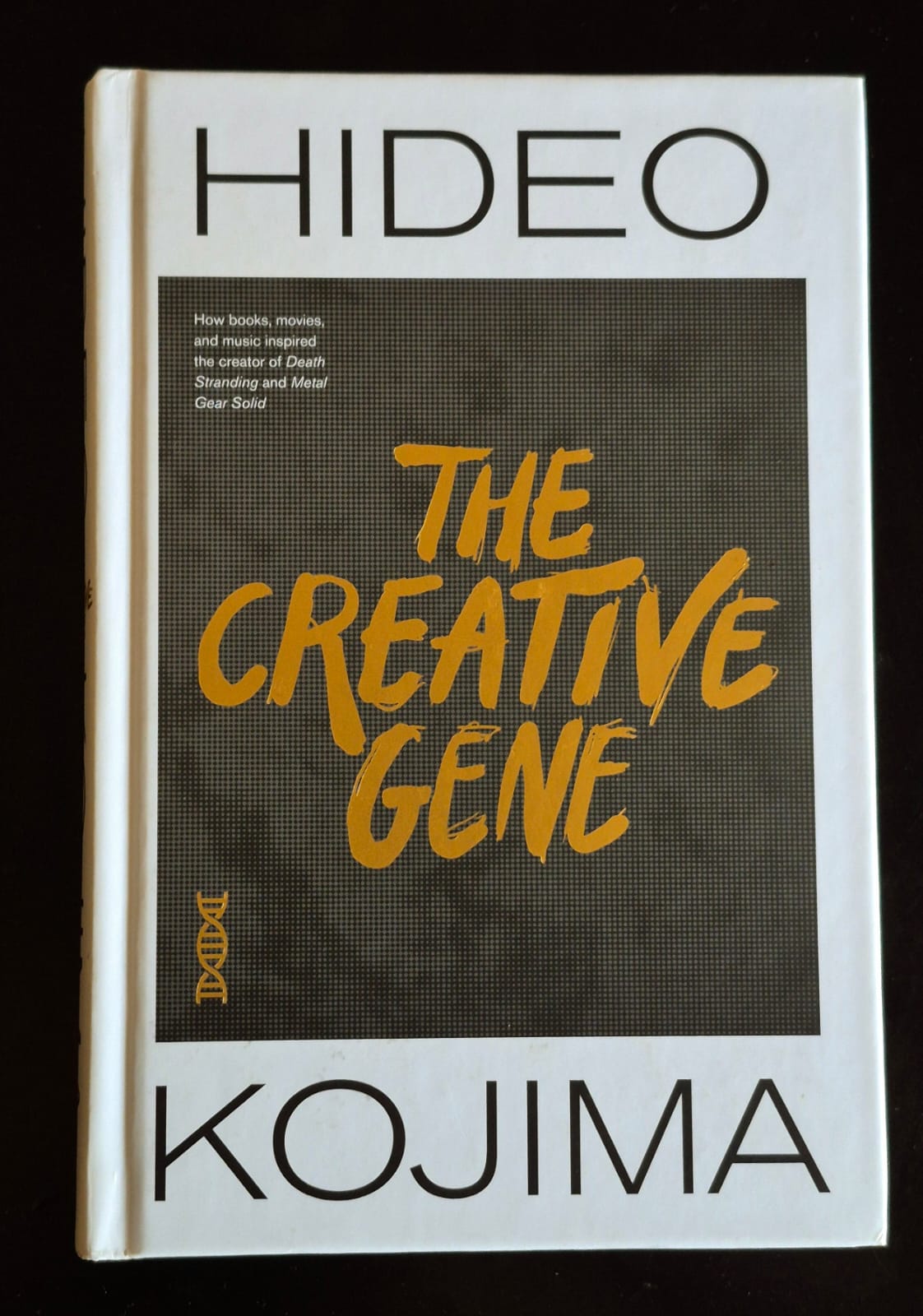
Game changer! How this book who is the creator of the iconic video games Metal Gear Solid and Death Stranding changed my outlook on videogames !
Are Games the Problem? An Educator Reads The Creative Gene
_______________
S. Ramkumar
Are video and digital games really all that bad? Parents and teachers often express concern about the amount of time children and students spend playing games on computers or mobile phones—frequently at the expense of their studies. As a teacher, and later as an administrator in colleges and universities, I have witnessed this concern firsthand. In a few instances, students have indeed seen their academic performance suffer due to excessive gaming.
The Creative Gene by Hideo Kojima—creator of the iconic video games Metal Gear Solid and Death Stranding—offers a refreshing and thoughtful perspective on this widely debated issue. Though published in 2013, the book holds even greater relevance today. Importantly, this is not a guide to creating video games. Instead, it is a collection of short, reflective essays on the books, places, people, films, and events that shaped Kojima’s creative life and, indirectly, the worlds he built through his games. Central to his thinking is the enduring connection we have with books and the way ideas continue to influence us long after we first encounter them.
Until reading this book, I too shared the common belief that digital games were necessarily of limited educational value. Kojima’s essays—each revealing a fragment of his intellectual and emotional journey—prompted me to reconsider that assumption. He demonstrates how well-designed games can nurture essential capacities needed in the digital age: creativity, problem-solving, analytical thinking, imagination, and narrative understanding. The real challenge for parents and educators, as the book subtly suggests, lies in distinguishing meaningful engagement from mindless consumption—an increasingly difficult task in the presence of a widening generational gap.
In the introduction, titled “Memes Are What Connect Us,” Kojima articulates his core belief: “A world without books is inconceivable.” Drawing an analogy between genes and memes, he explains that while genes are passed biologically, memes—ideas, emotions, and ways of seeing—are transmitted through books, films, and shared cultural experiences. These memes, he argues, form invisible threads that connect individuals across time and space.
The book is divided into two parts: Part One, “My Lovable Memes,” and Part Two, “Things I Liked at a Certain Time or Place.” Across these sections, Kojima reflects on the influences that shaped his worldview, noting that “the memes these stories communicated to me provided the energy I used to create, and to live.” These accumulated influences find powerful expression in his groundbreaking video games, which are known for their narrative depth, philosophical layers, and emotional complexity.
By showing how inspiration can come from anything one reads, sees, or hears, Kojima reframes video games not as mere entertainment, but as complex creative systems rooted in storytelling and human experience. The challenges within such games demand thought, interpretation, and imagination, making them intellectually engaging rather than passively consuming.
The Creative Gene is ultimately more than a personal archive of inspiration. It is an invitation to rethink our assumptions about games, learning, and creativity. The book challenges the notion that games themselves are the problem, suggesting instead that it is the type of games and the lack of balance that lead to addiction and neglect of responsibility. Thoughtfully designed and responsibly engaged with, games—like books—can become powerful tools for intellectual and creative growth.
A Note for Parents and Teachers: S. Ramkumar
Rather than asking whether games are good or bad, we may need to ask which games our children engage with and how they engage with them. Just as books vary in depth and value, so do games. Guidance, dialogue, and balance are essential. When adults take time to understand the digital worlds children inhabit, games can become opportunities for learning, creativity, and connection—rather than causes for concern.
Add a Comment