RK’s 2025: “to look back is to see Forward”

RK's 2025: to look back is to see Forward

S. Ramkumar

The year 2025 has been a remarkable journey, woven with threads of meaningful connections, quiet triumphs, and moments of pure bliss.  As we bid farewell to this final year of the millennial quarter,  what truly stands out are not just the milestones, but the people, places, conversations, and shared spaces that shaped them.

2025 : The year of STRANDOM.poems

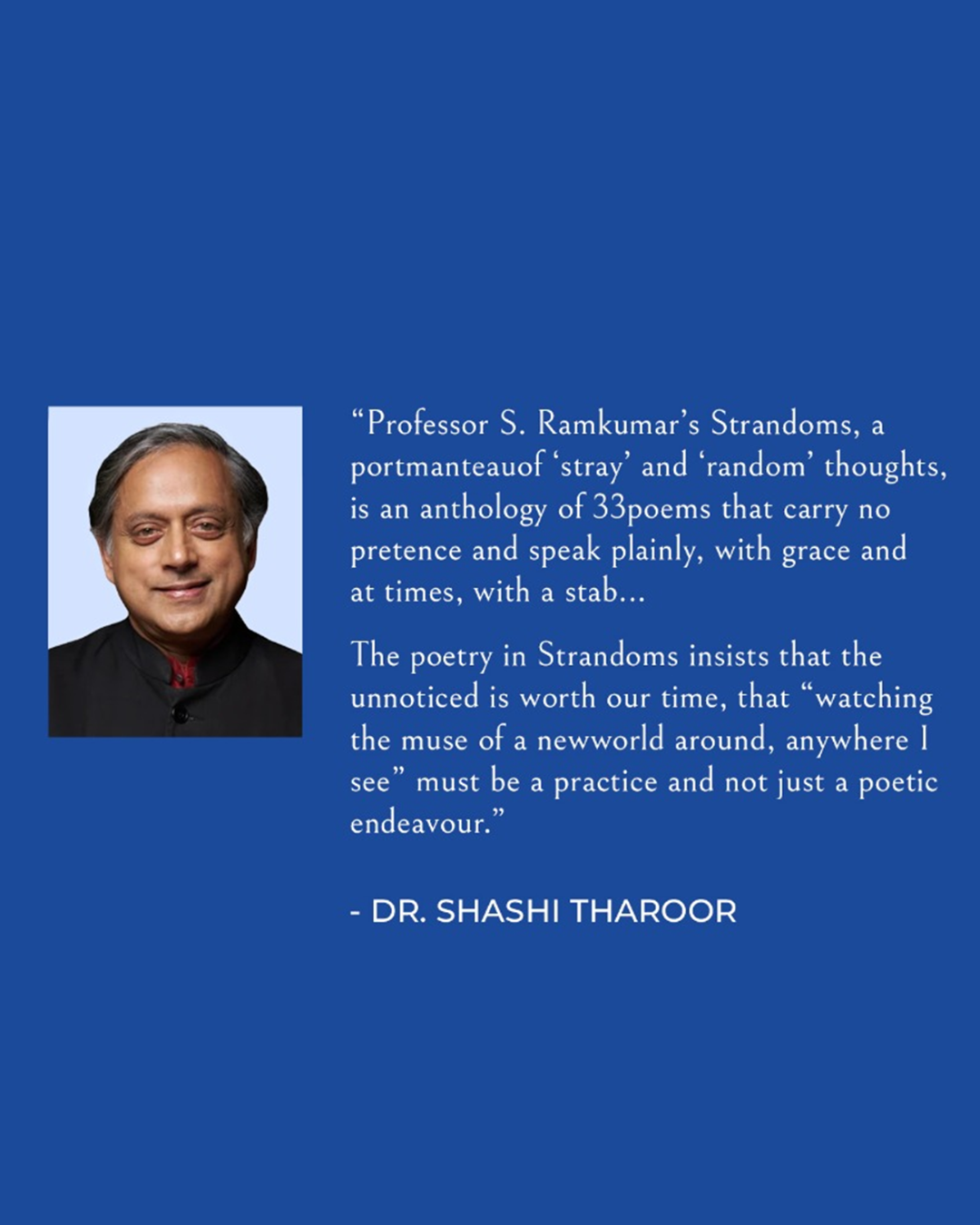
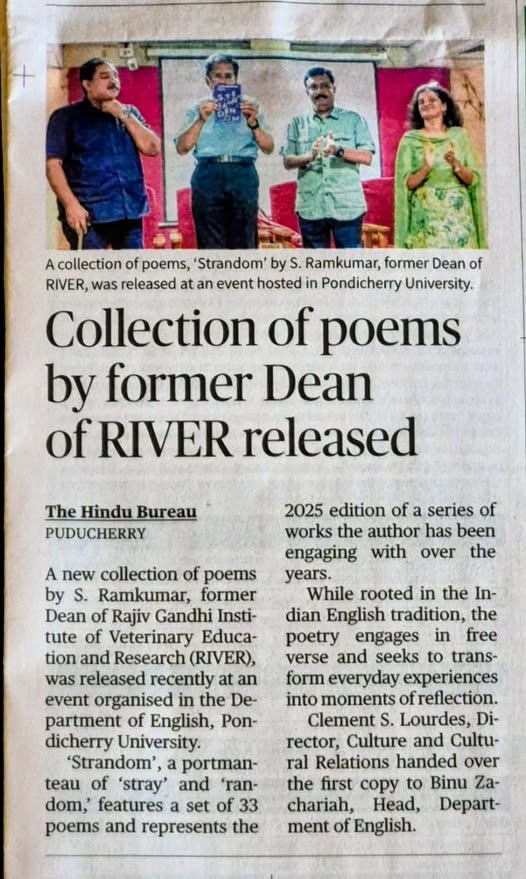
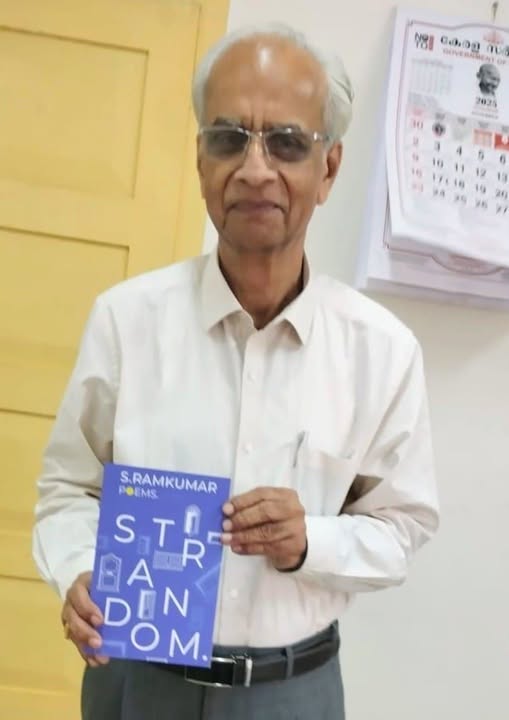
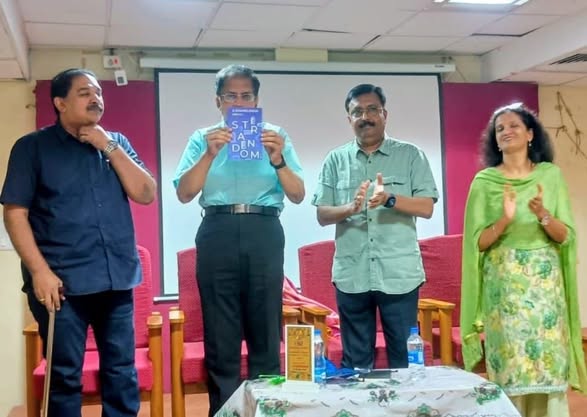
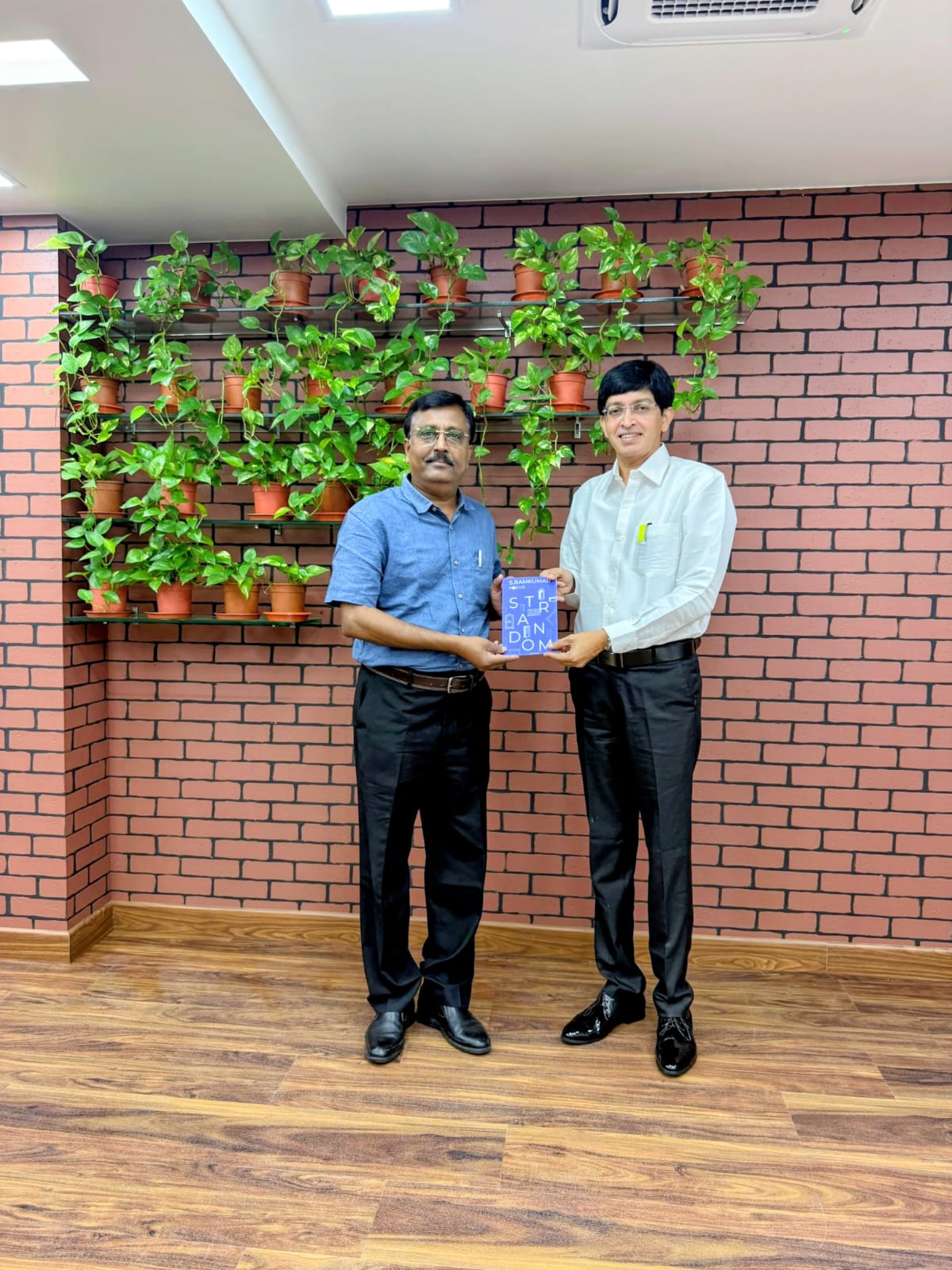
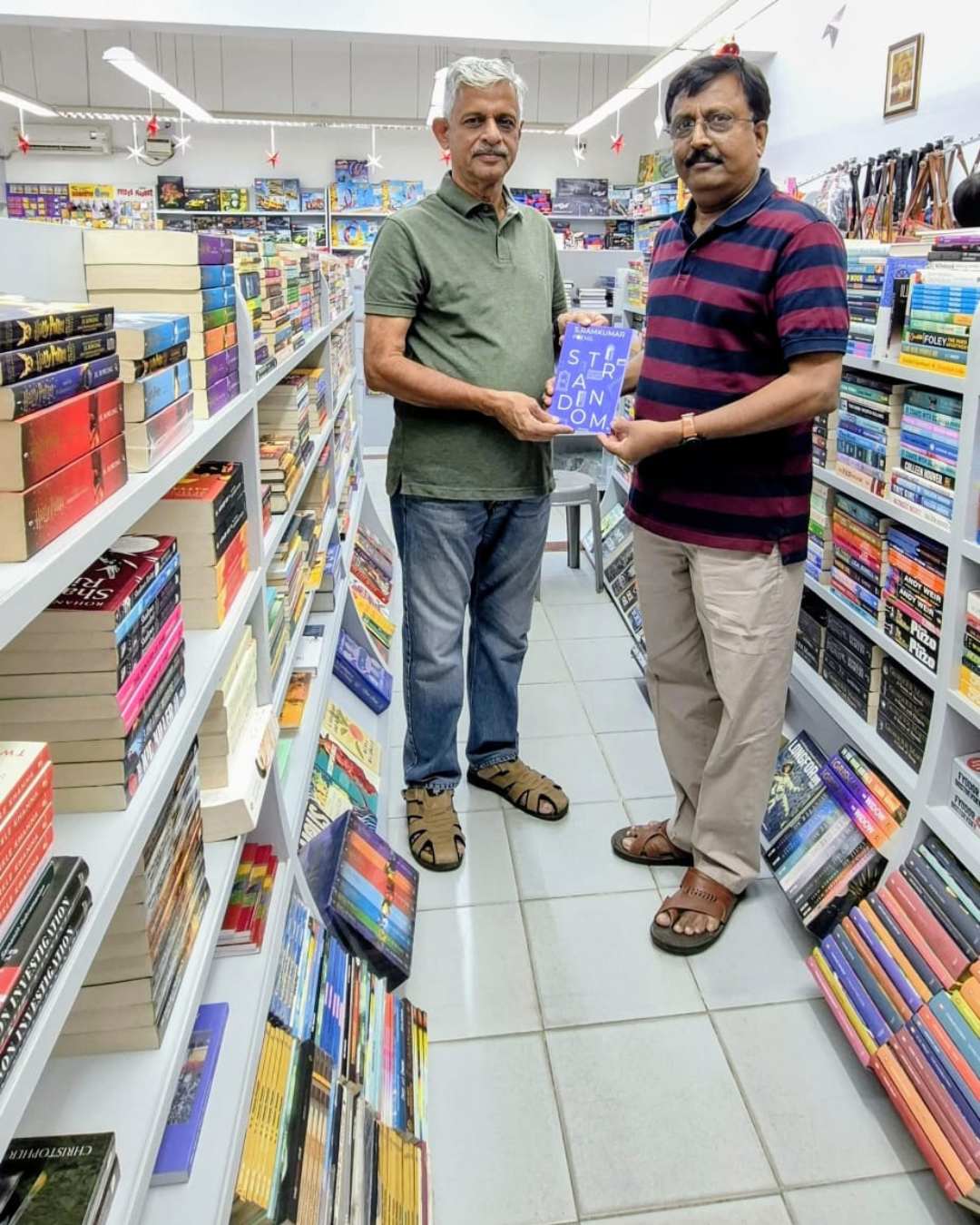
The year 2025 marked a significant literary milestone in my life with the release of my second book, “STRANDOM.Poems,” published by Notion Press Chennai. Now available on major platforms, the encouragement, thoughtful reviews, and heartfelt responses from readers have been profoundly humbling.

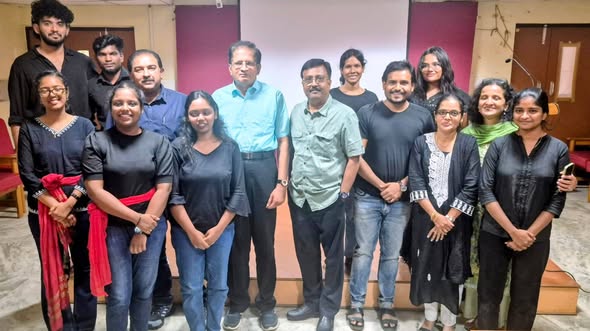
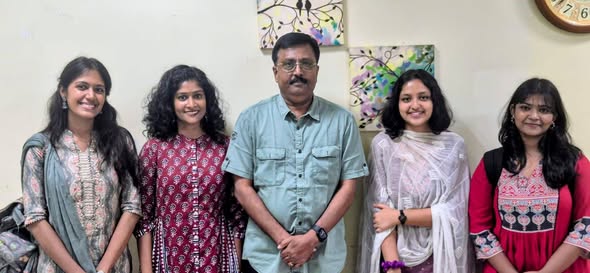
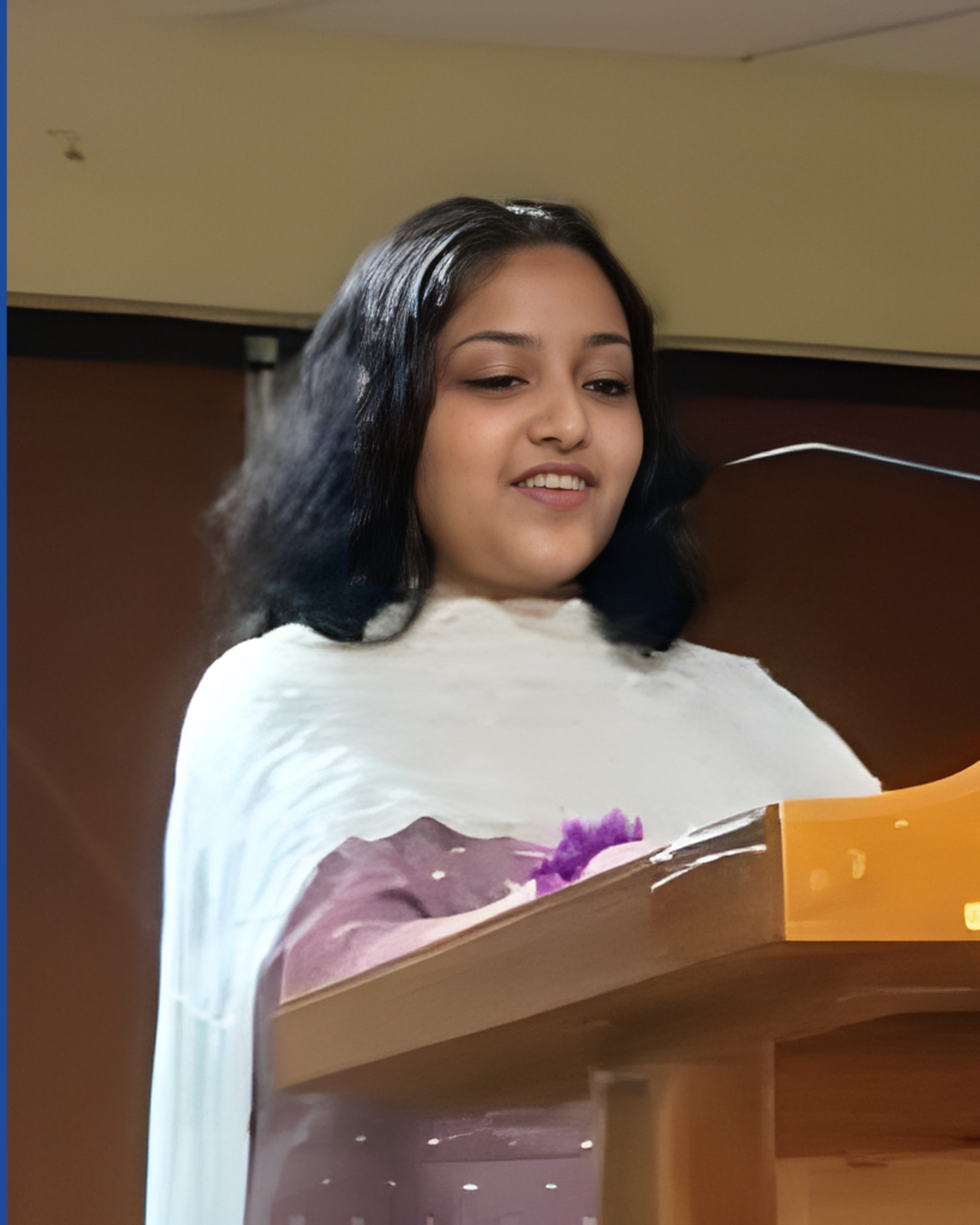
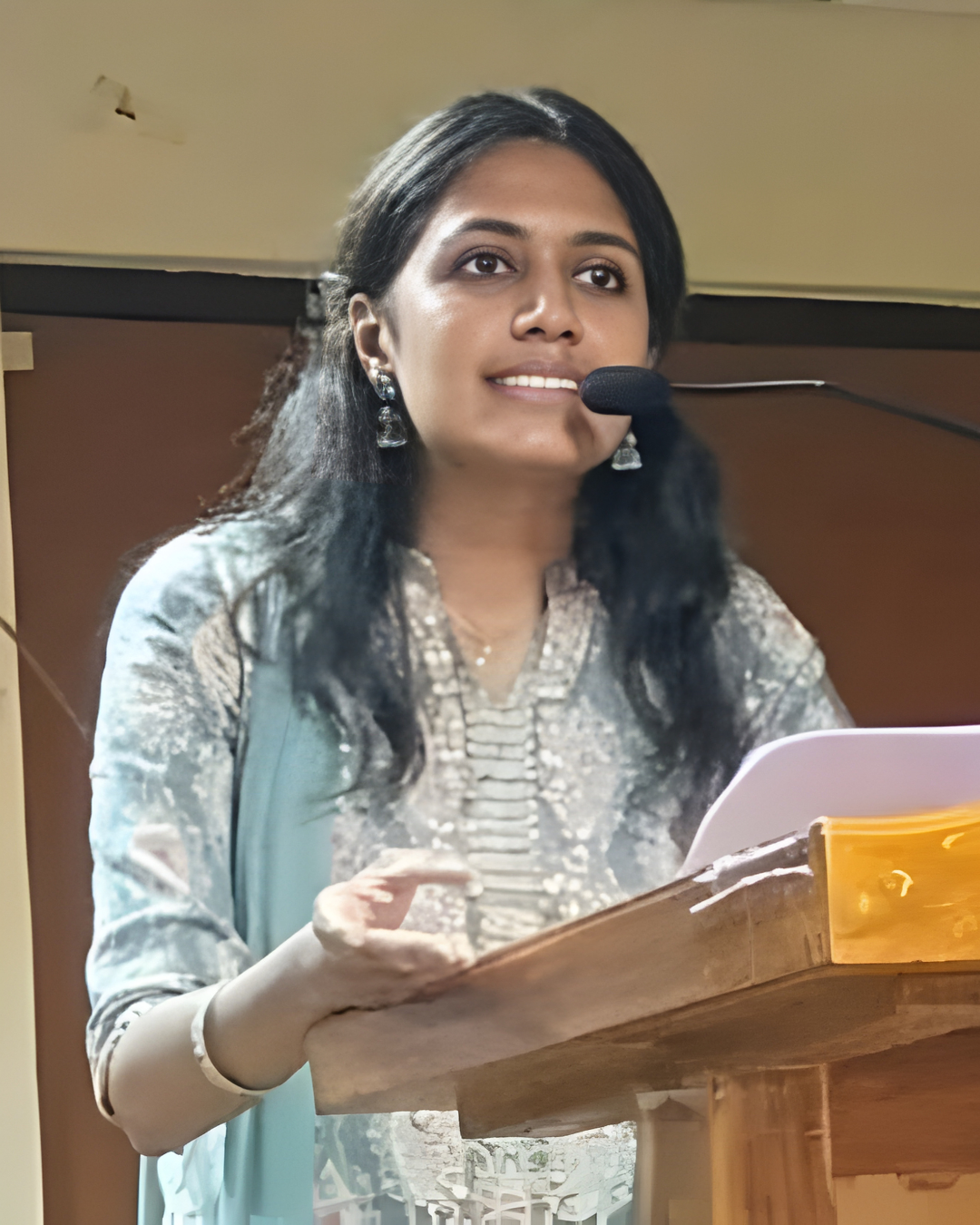
The official launch of the book took place during a memorable literary evening at the Department of English, Pondicherry University. The academic discussions surrounding “STRANDOM.Poems” were particularly gratifying, especially when students engaged deeply with the text. There’s an immense satisfaction that comes from witnessing readers discover their own meanings within the words you’ve crafted – it makes the entire creative journey feel incredibly exciting and encouraging.


Moments of sharing the book

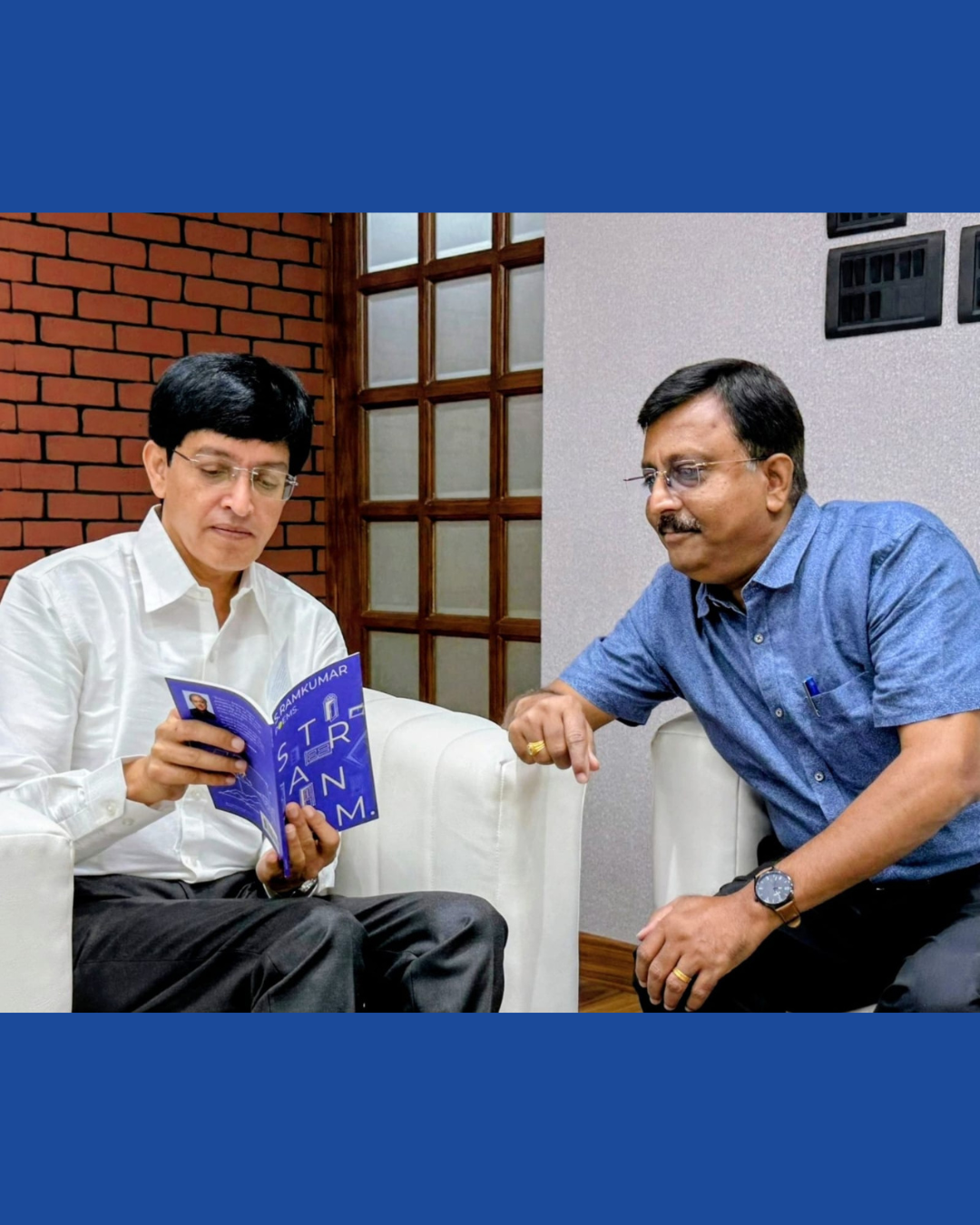
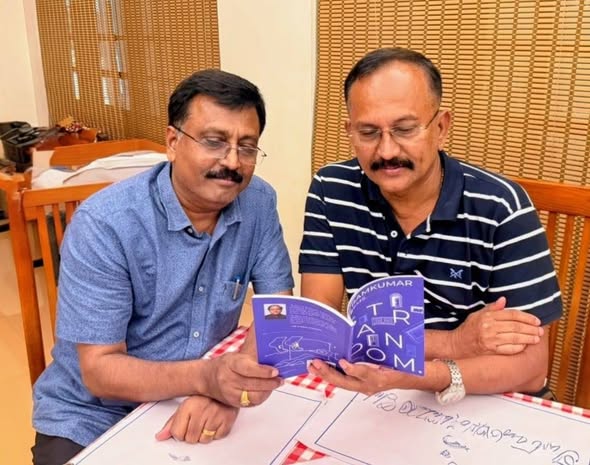
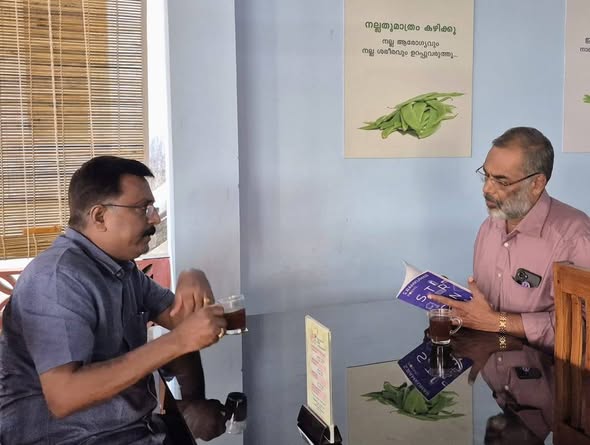
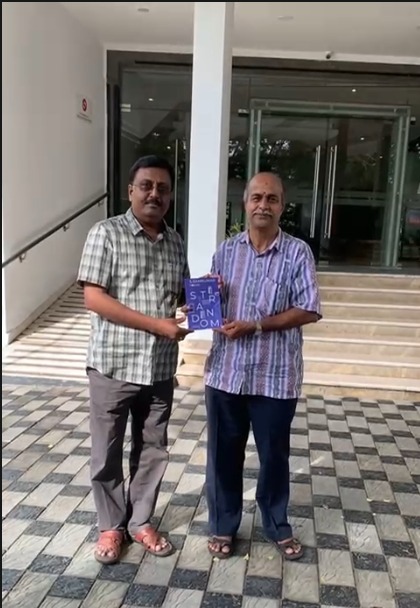
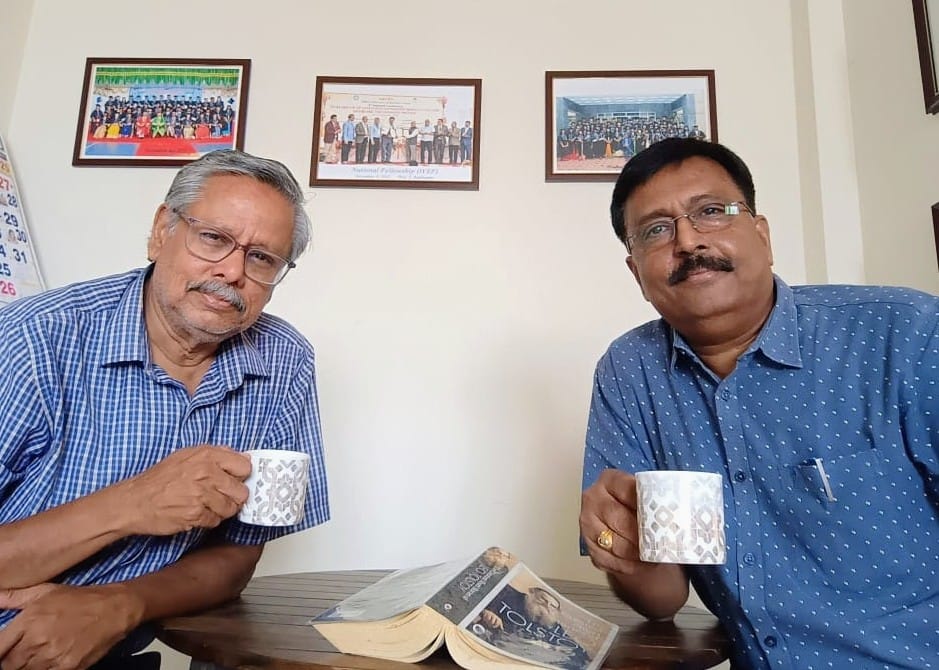
Moments of sharing the book with scholars, students, friends,  readers, dignitaries, and poetry lovers , were imbued with gratitude and grace. I’ve realized, once again, that poetry truly lives not just on pages, but in the intimate spaces of conversations and shared silences.

Education Beyond Classrooms: Nurturing Young Minds

One of the most satisfying chapters of 2025 was the opportunity to engage with educational institutions and the bright young minds within them. From bustling schools to esteemed universities, there’s a palpable shift towards real-life learning experiences.

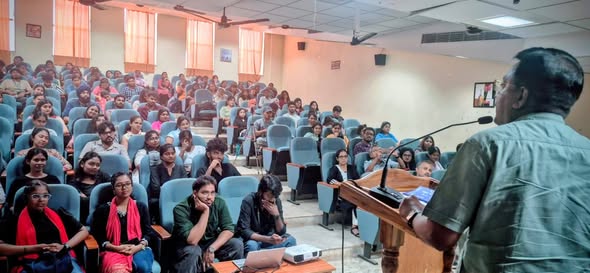
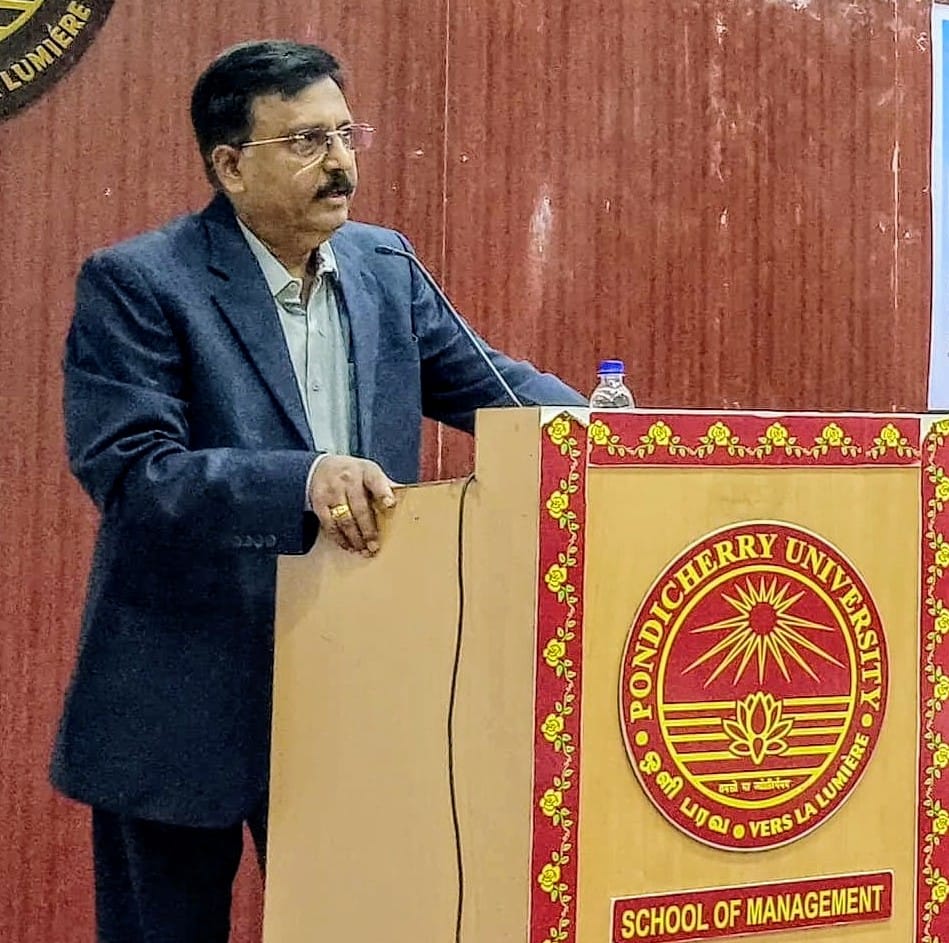
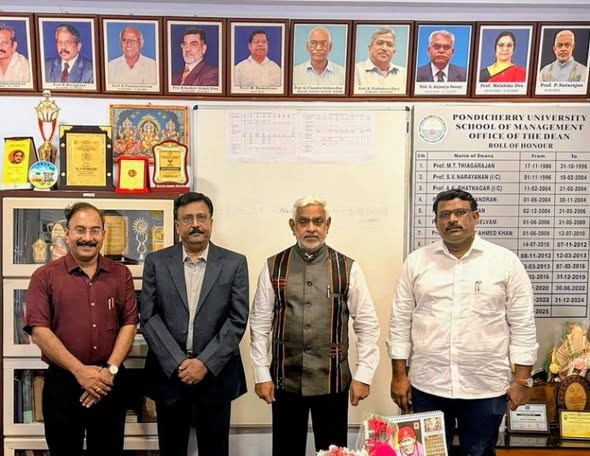
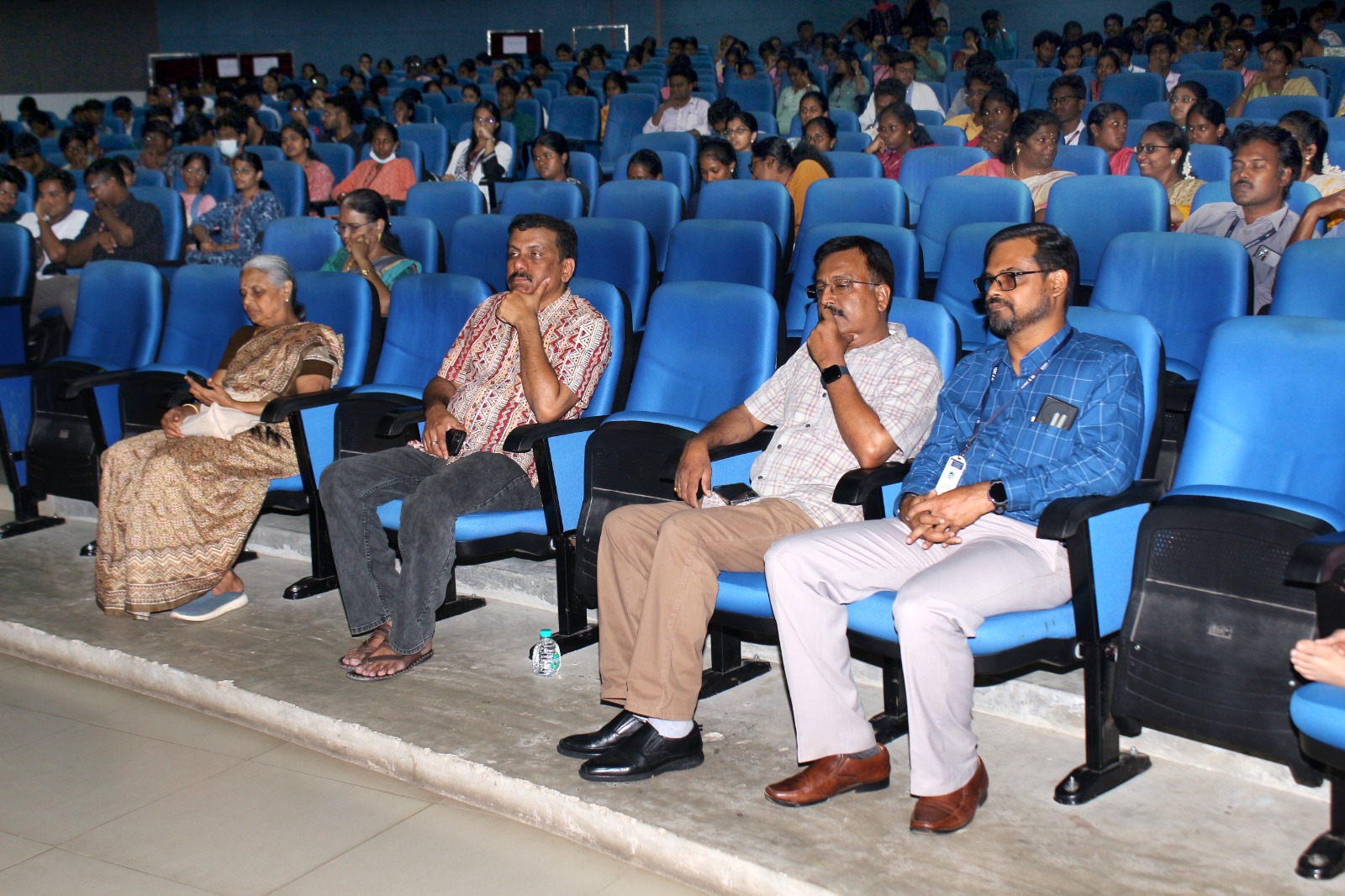
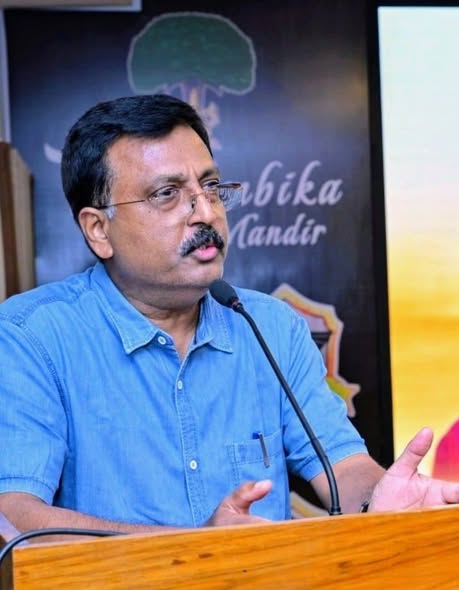
I had the privilege of addressing MBA students at Pondicherry Central University, alongside the esteemed Dean and Head of the Department. This was a wonderful opportunity to share insights on leadership, purpose, and the critical importance of lifelong learning. Such interactions are a powerful reminder that dialogue keeps education vibrant and relevant in an ever-changing world.

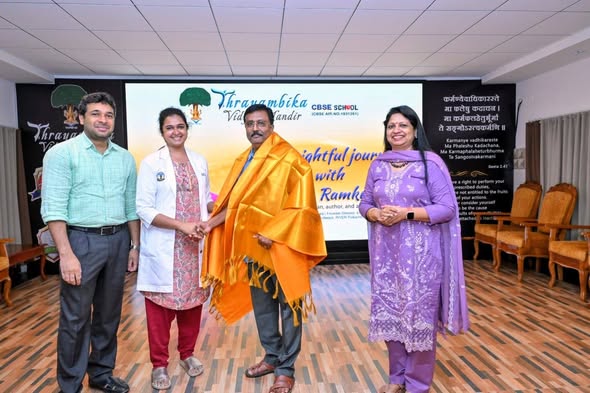
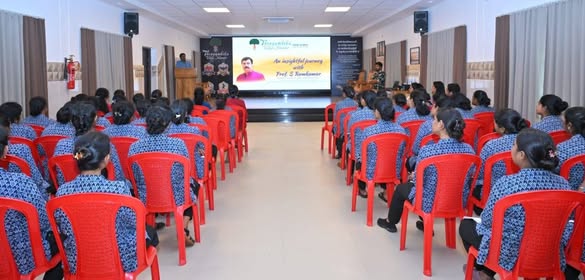
An enriching afternoon spent with the dedicated teachers of Thrayambika Vidya Mandir School in Kulasekharam, Tamil Nadu, reaffirmed my belief that modern education transcends mere instruction. It’s about truly understanding learners, fostering their individuality, and equipping them for life beyond the confines of textbooks. Teachers, without a doubt, are the true architects of our future.

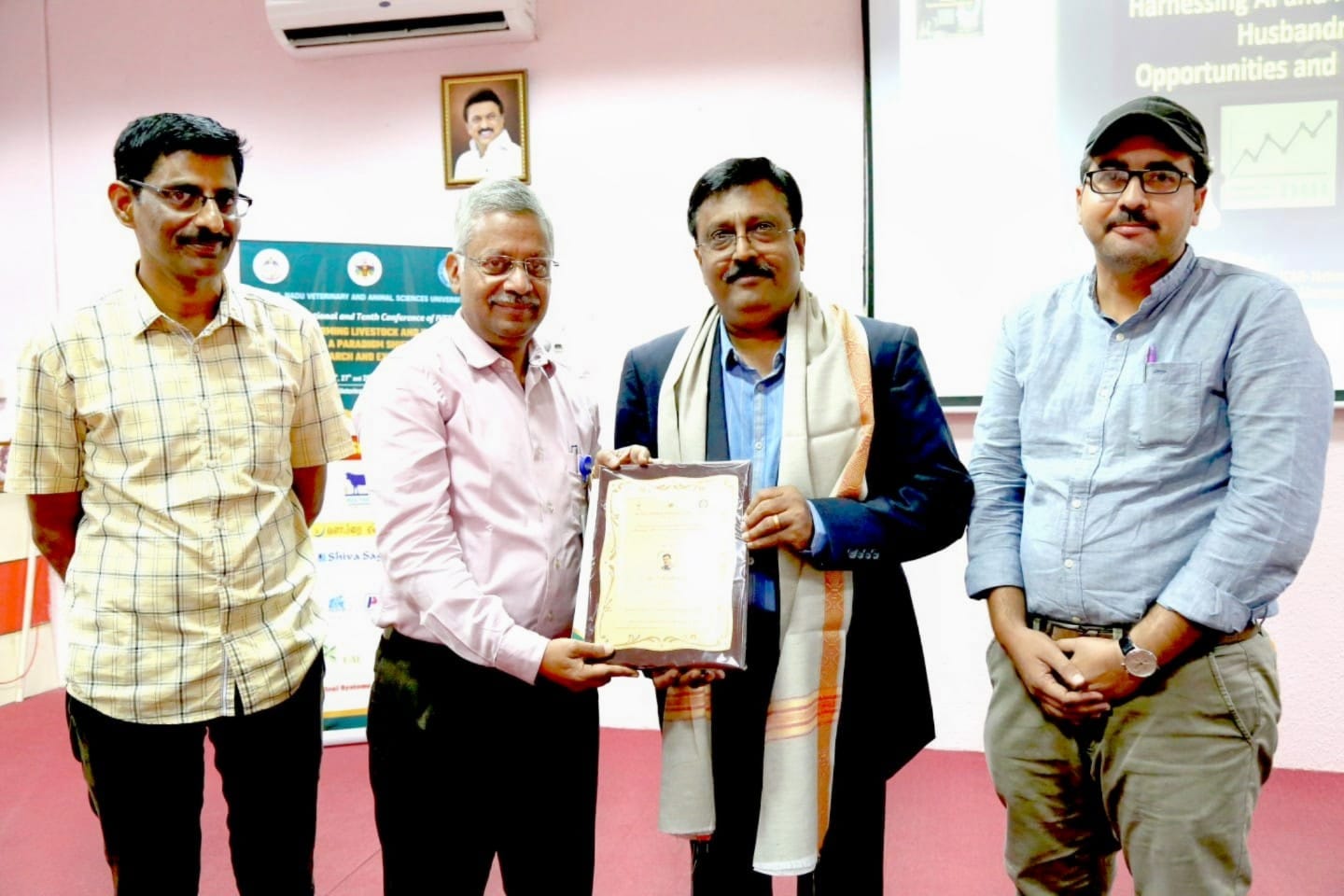
International Conference of IVEF @ chennai

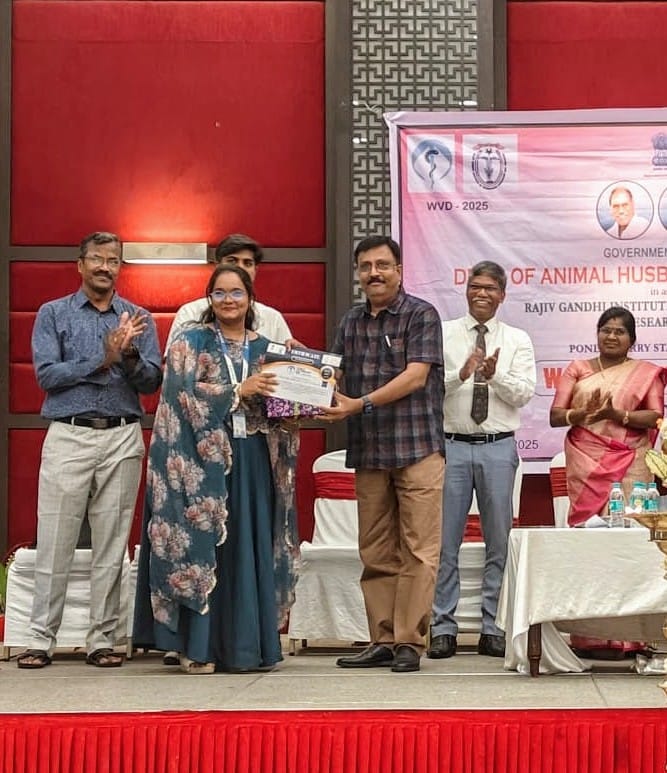
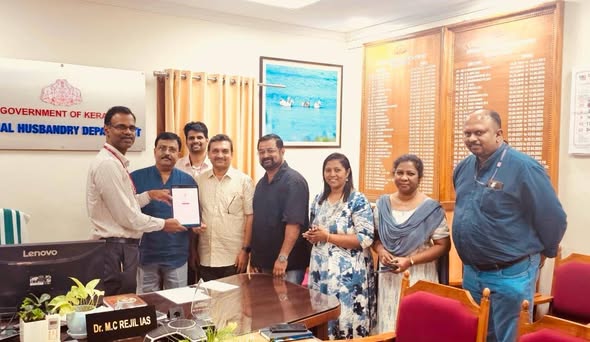
Achievement Award from AHD Govt. of Puducherry

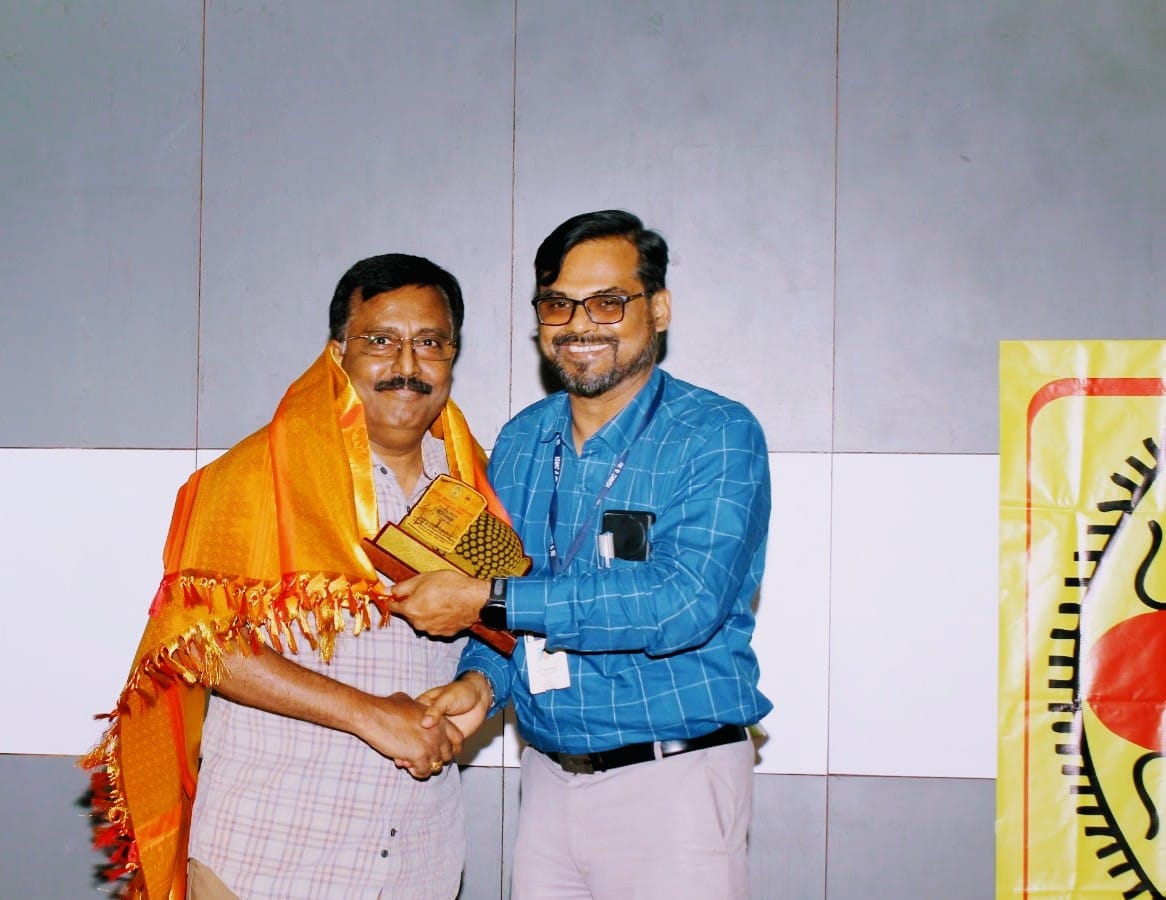
Thankful in receiving the Achievement Award from the Department of Animal Husbandry, Government of Puducherry, alongside my esteemed professional colleagues.

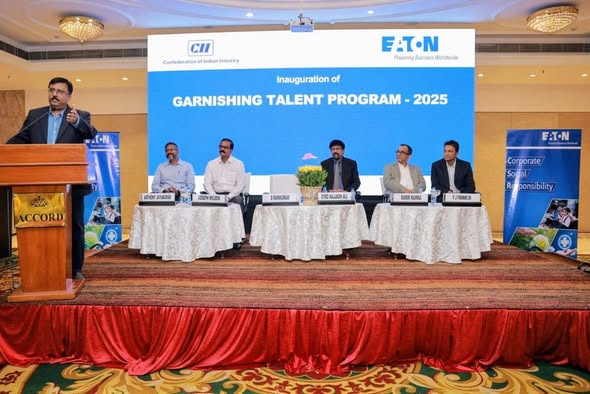
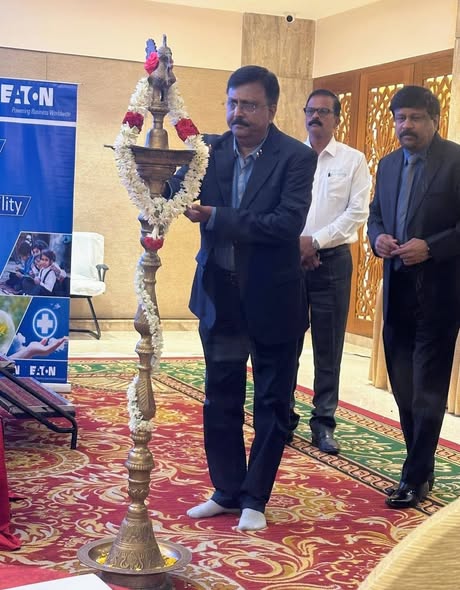
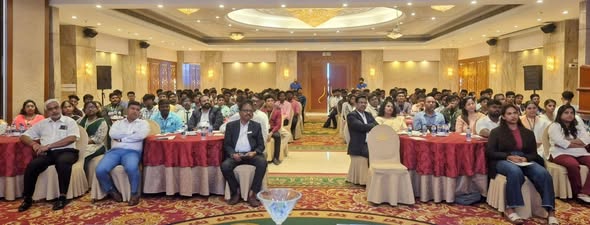
Inaugurating the CII–EATON “Garnishing Talent Programme”

Proud to be part of this initiative for college students from Puducherry and Pondicherry University.
Photos from the programme showcased energy, mentorship, and empowerment.

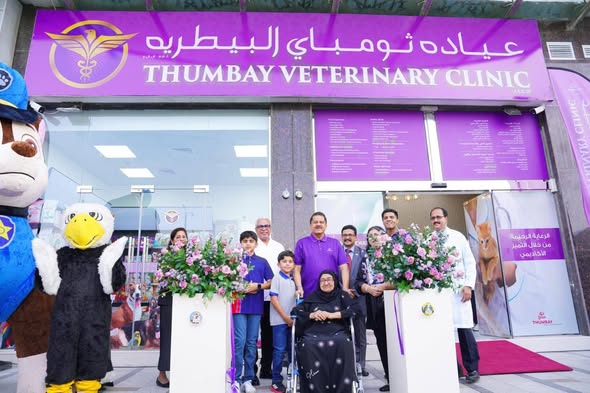
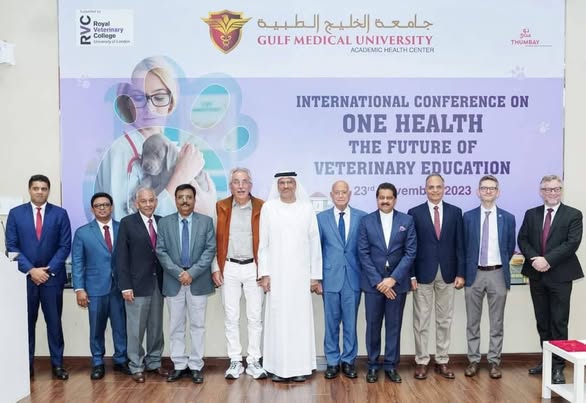
A Proud Moment in Sharjah

Grand opening of the Thumbay Veterinary Clinic — a milestone in veterinary care and education.
Honoured to join hands with Gulf  Medical University with a dedicated team and initiate a new era in veterinary education

From Students to Professionals: Journeys of Growth

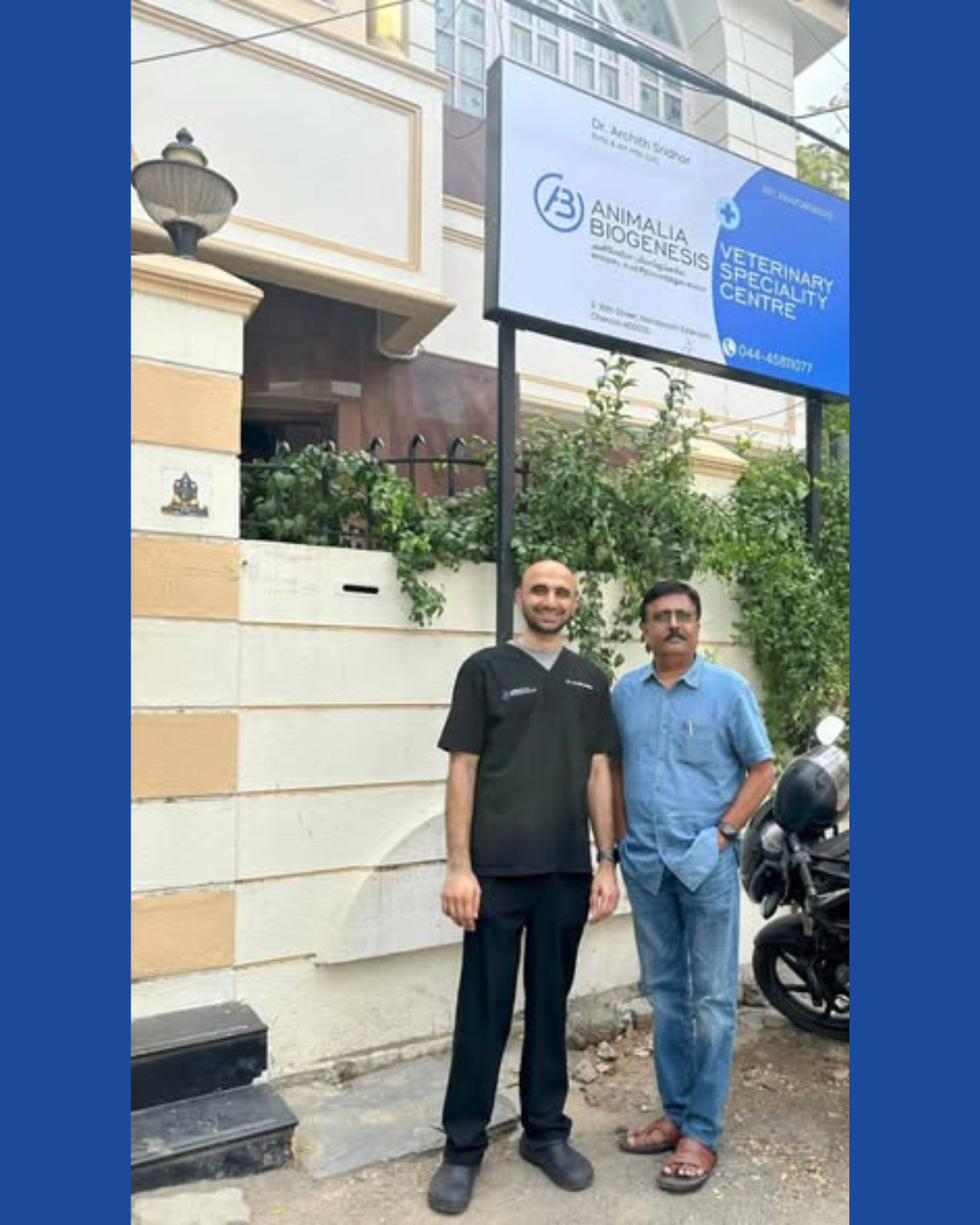
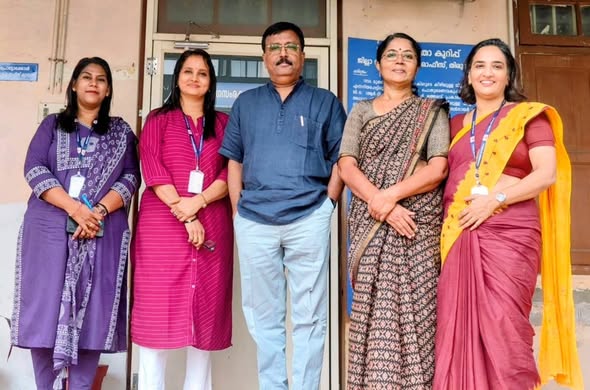
There are moments when time seems to fold back on itself, offering a glimpse into the past and present simultaneously. Meeting former students, now confident and accomplished professionals, at the Kerala Indian Veterinary Association initiative and other professional gatherings was deeply moving.

Witnessing their journeys, from the vibrant classrooms to their impactful roles in the professional world, stands as a quiet testament to growth, perseverance, and the boundless possibilities of innovation.

It was particularly inspiring to see initiatives like the Digital Veterinary Directory and the significant progress toward establishing new veterinary institutions within the Government of Kerala. These moments truly underscore the joy of seeing visions transform into tangible realities.

Cultural Spaces and Collective Memory

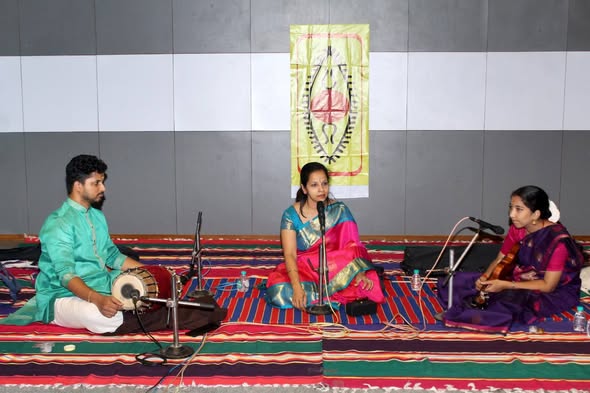
Playing a role in initiating the SPIC MACAY cultural launch

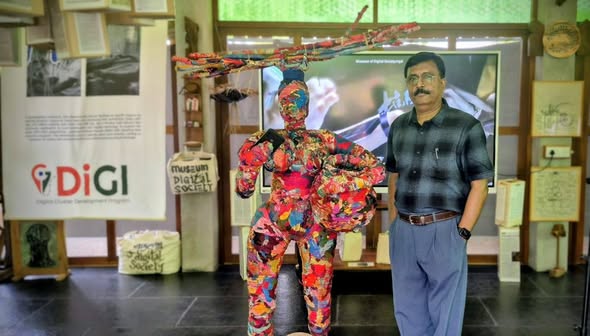
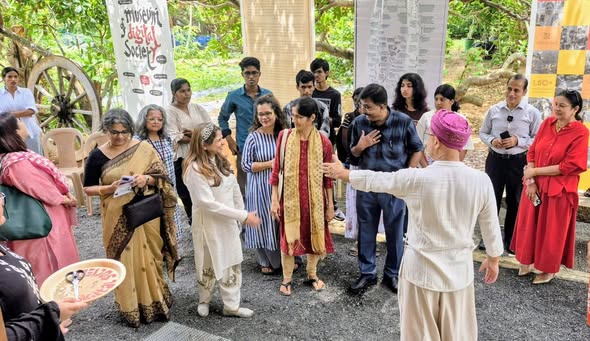
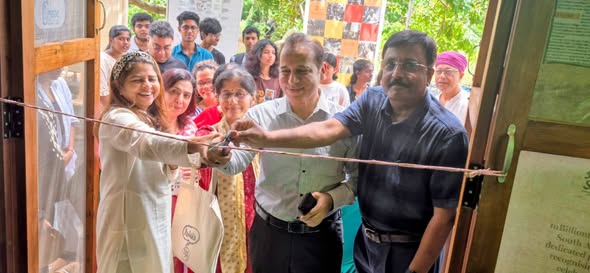
Museum of Digital Society

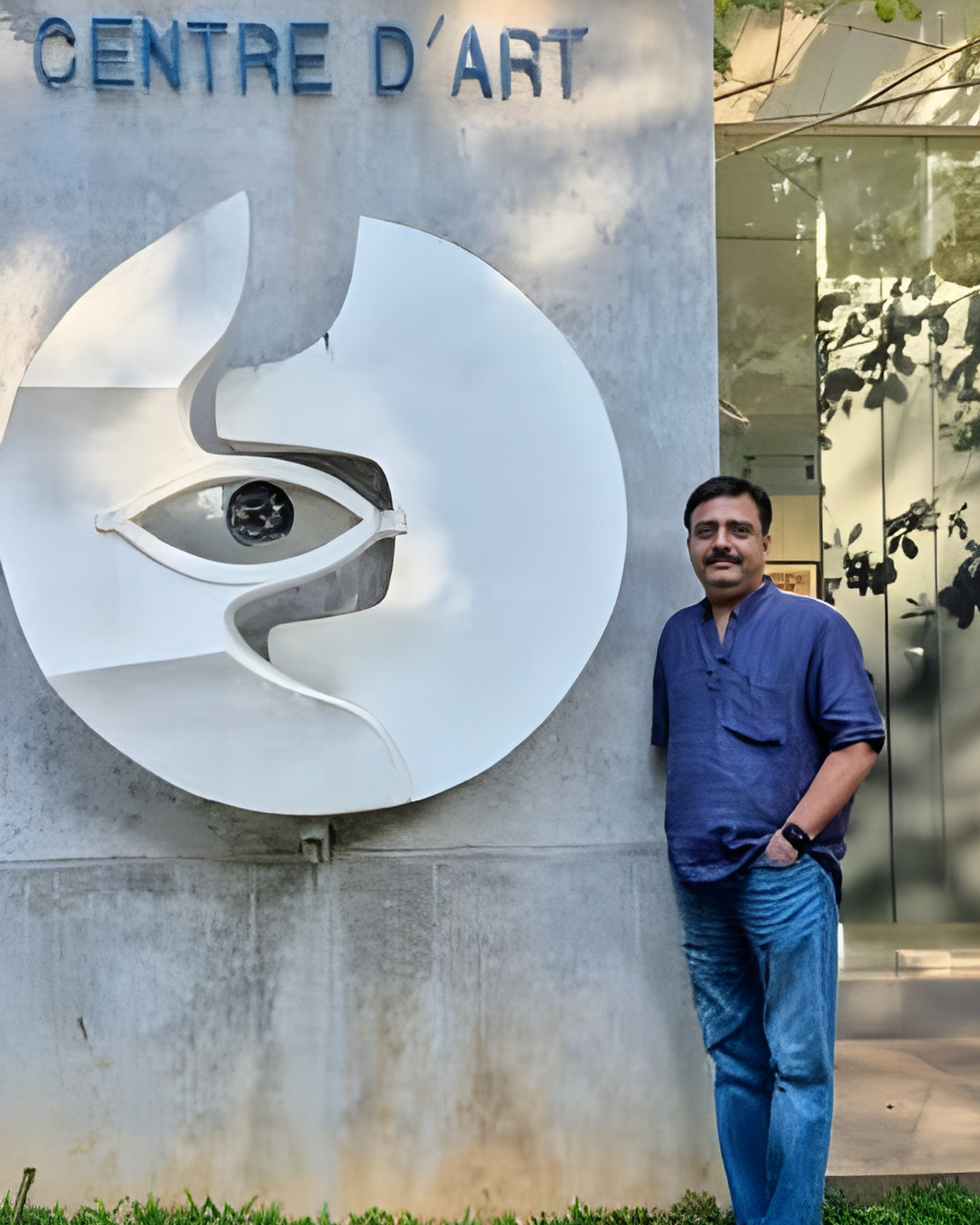
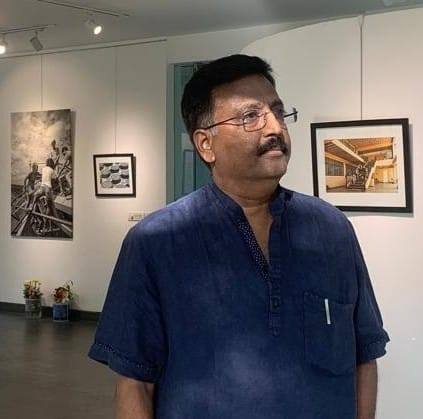
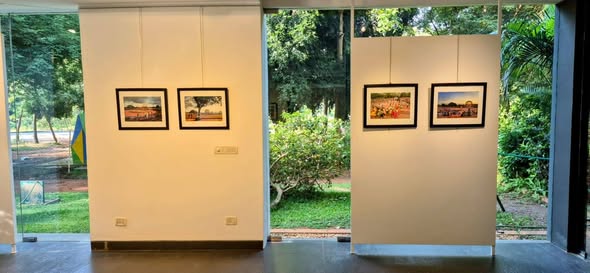
Visits and participation in vibrant cultural spaces, such as the Photo Exhibition at Auroville and the grand opening of India’s first Museum of Digital Society, offered profound moments of reflection. These experiences prompted contemplation on themes of time, memory, and the ever-evolving relationship between humanity and technology.

These moments served as a powerful reminder that progress and thoughtful reflection must always walk hand-in-hand. 

Art Exhibition at Auroville

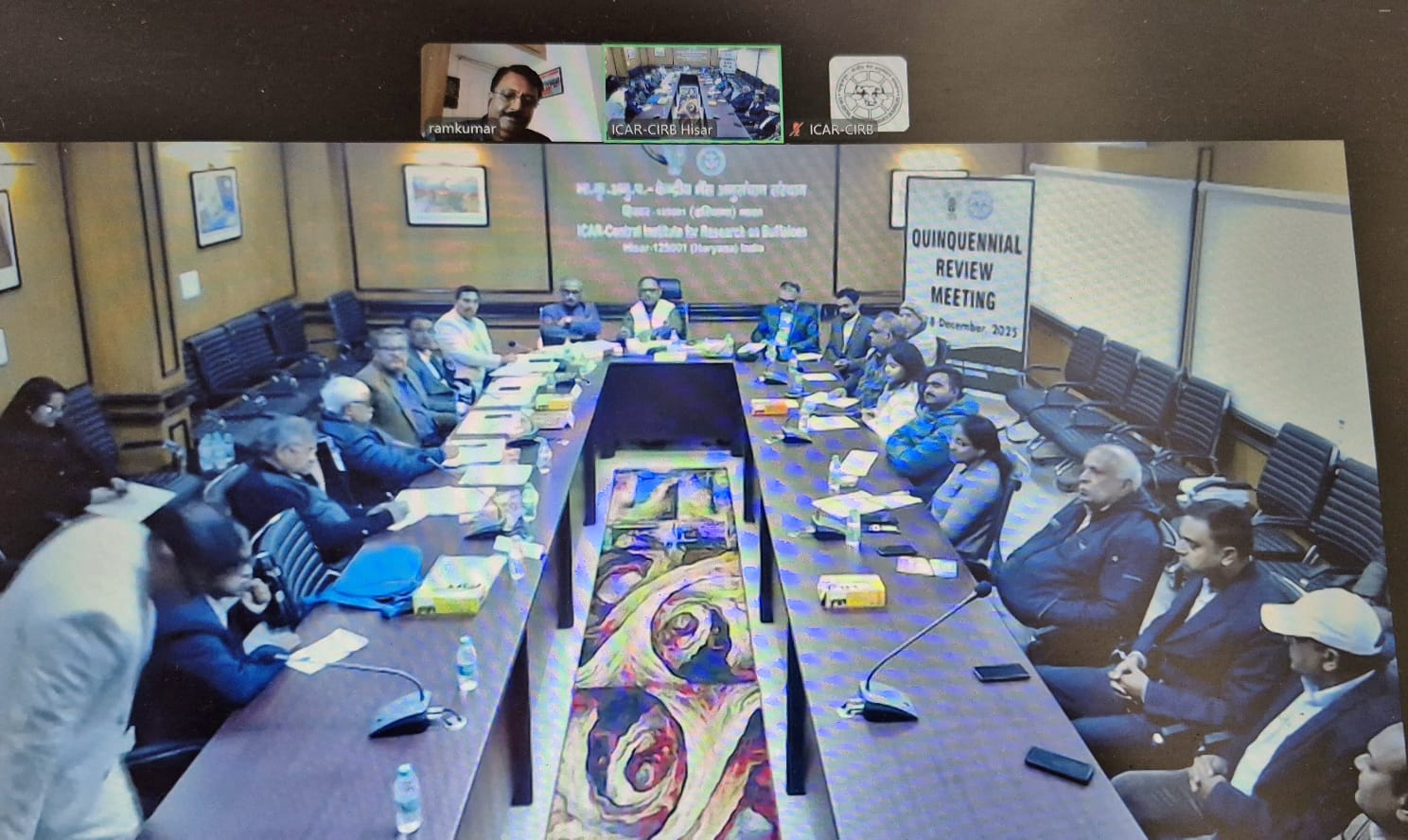
Participating as an expert member of the QRT Evaluation Committe of CIRG , ICAR

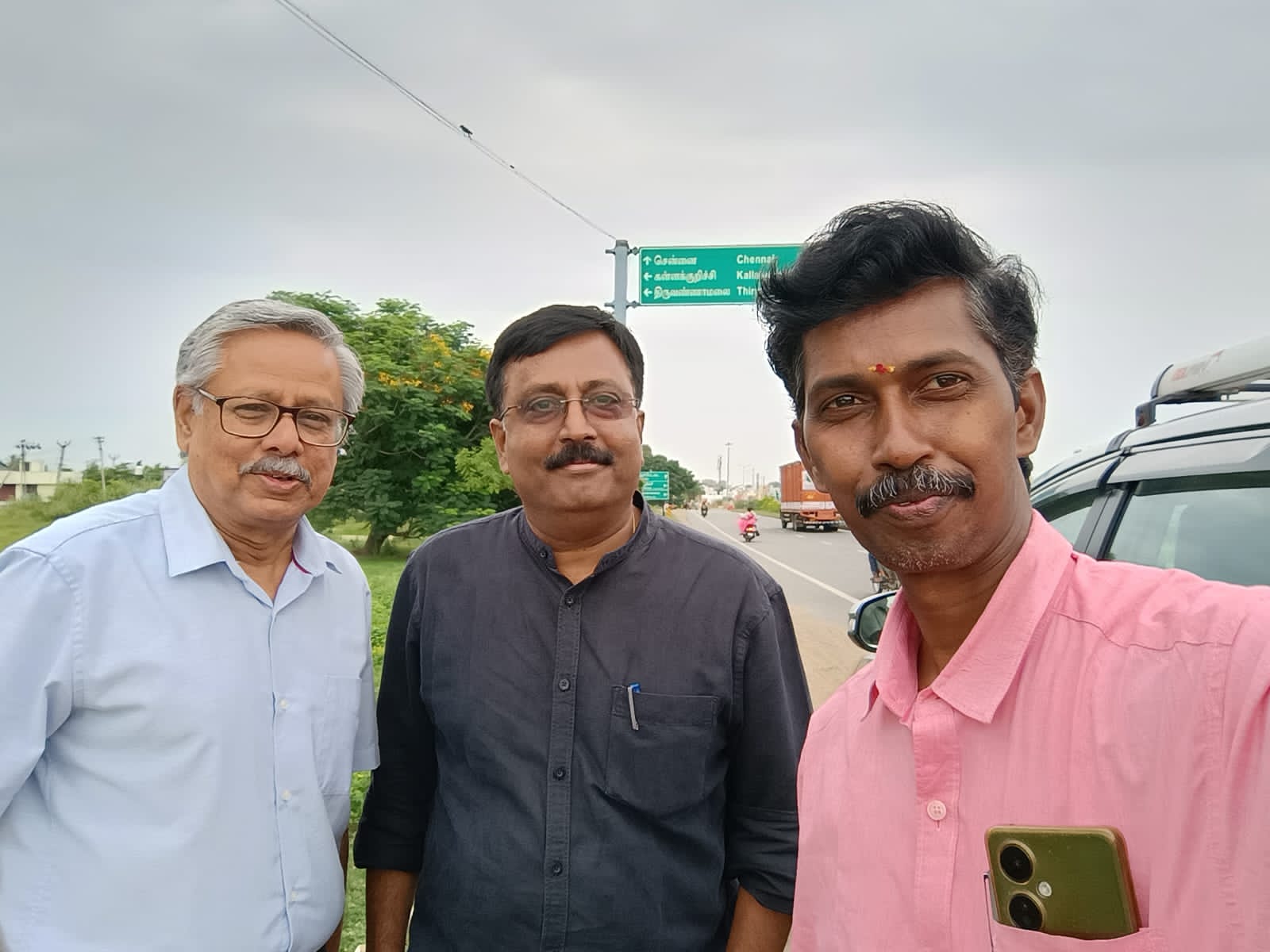
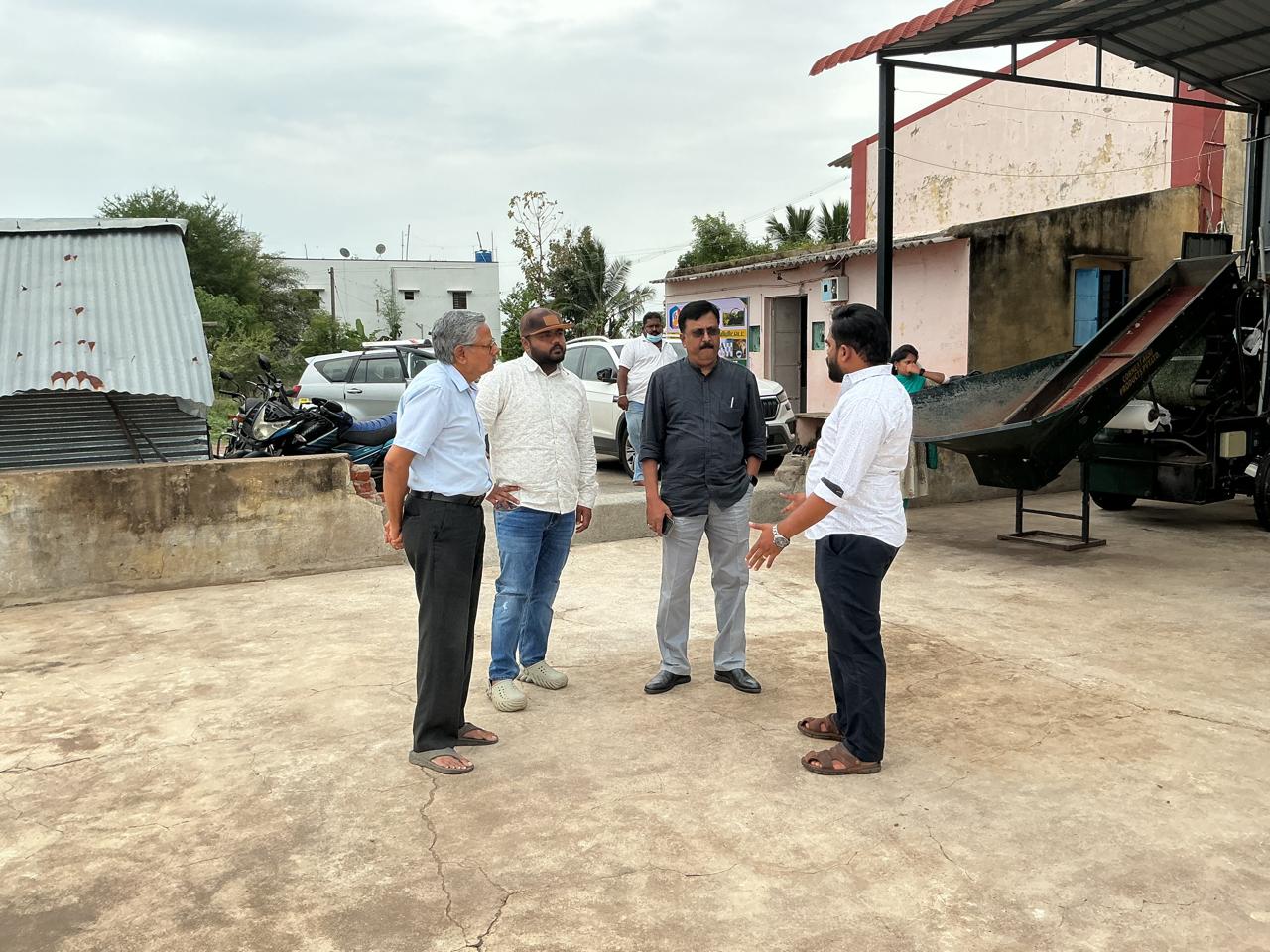
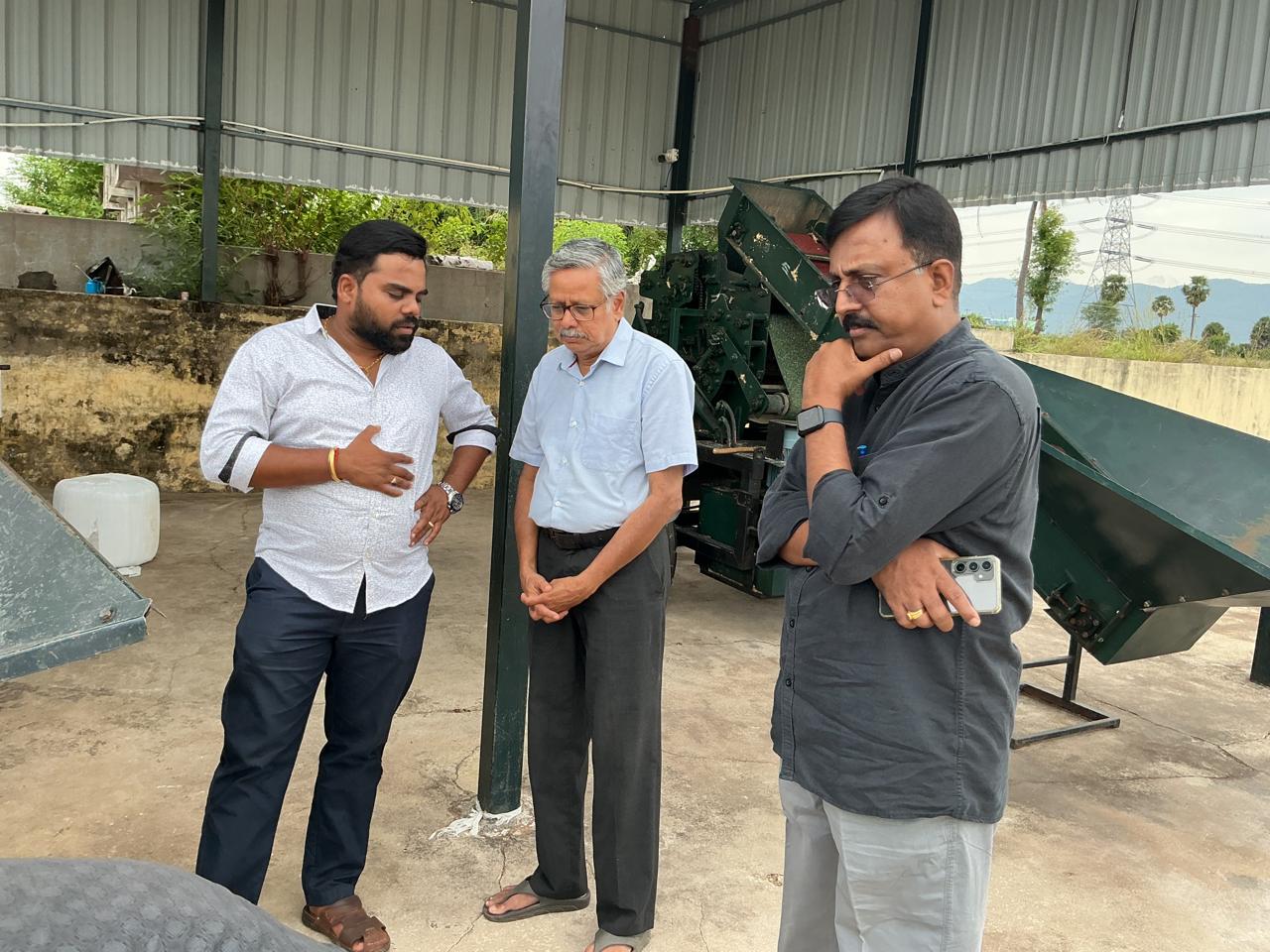
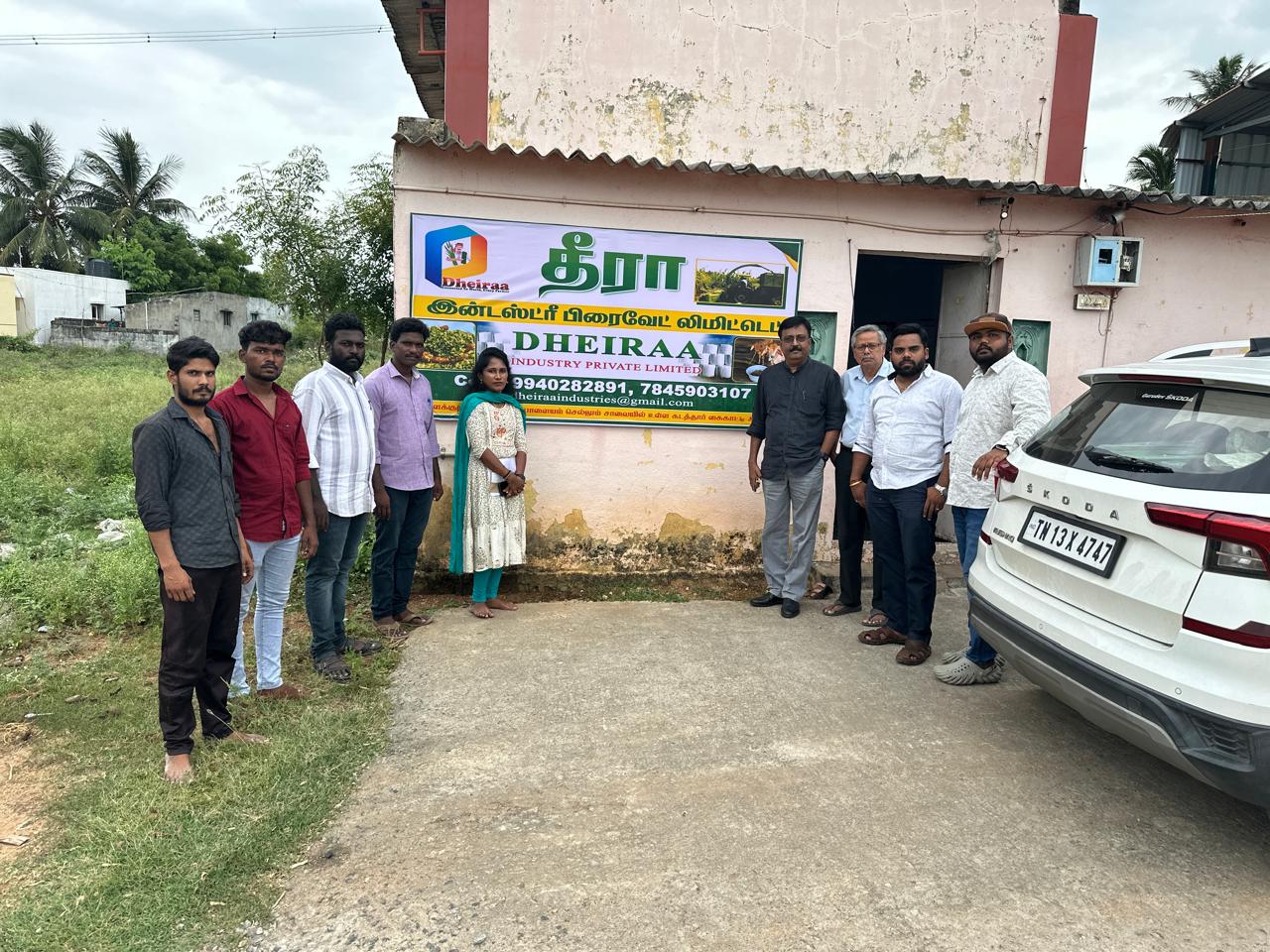
Formal field evaluation for Agricultural University of an innovation incubation at Kallakuruchi , Tamilnadu

7

Dealing Diabetes: Emotional Eddies

HEALTHCARE

May14, 2021

Prof. S. Ramkumar

Dealing Diabetes: emotional eddies

Can we see a "same moon”?

(This writing is a glance of some observations related to factors affecting the food intake, which a diabetic faces in normal life; how much and how far others can rethink to help manage this. The term “ diabetic” is used for a person. Idli, Dosa, Chappathi, Paratha are some of the examples of the food items in an Indian menu. This is not a writing on glycaemic index, but a possible reminder of management based on emotional index!)

Diabetes is a condition which is becoming more common in our society. There might be a family member, friend or someone whom we know of in our life, who is a diabetic. Medical science and technology is contributing a lot to early diagnosis, prevention and control of diabetes in the last few decades. The condition, if treated and managed systematically can always be kept under control. Beyond medicines and (or) insulin, a diabetic needs a fair understanding and due consideration from family members. Social and emotional stability are essential to reduce anxiety and stress of a diabetic person. This, in addition to the confidence and conditioning of the person is also dependent on the family members with whom they are living.
 
The simple principle of a diabetic is to have small quantity of food more times a day, adequate proper medication, exercise, and less stress.
 
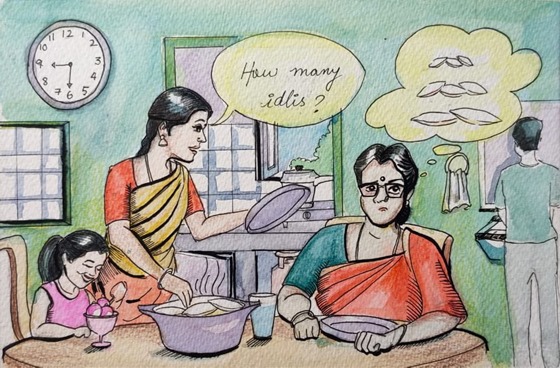
Food, in a way is medicine to all; but its more for the diabetic, who manages to keep the level of blood sugar by frequently having small quantities of selected food items with less or no sugar. It’s also important to see that food (s)he eats, adds to ensure stabilizing the sugar level; it should provide supply of other nutrients. When a non-diabetic healthy person takes 4 idlis or 2 dosas for breakfast, the body machine runs till noon for the lunch. When a diabetic healthy person takes the same 4 idlis, or 2 dosas for breakfast, the body asks more food sometimes after 2 hours – the point is to have 2 idlis for breakfast at 9a.m. and split the next 2 idlis to have it by 11a.m. It is not as simple as to count the number! Again, at home you can define a uniform size for idli and dosa. When we buy it or have it from other places, the sizes vary – some times huge or big idlis, medium and small. The quality of idli flour paste, the consistency in size of the idli and the side dish, all decide the actual sugar hike in the body, irrespective of simply saying the number of idlis. And it tends to be the same with dosa, chapatti or paratha – or any other food! The uniformity in size, number and quantity has to be decided by the ‘diabetic’.
 
Of these the concern and endurance of family members is prime in building confidence and esteem among a diabetic member.
 
Cooking food in a home where there is a diabetic person is often a challenge. When we have children, youngsters and aged people in the home, with varying taste buds, the choice of food also varies a lot. A wider choice of menu is not an easy proposition for whoever is involved in cooking in a home. It becomes a difficult task for a home maker quite often to make a variety of menu in a home for different ‘age’, “interests” and ‘conditions’ of people in a home.
 
This is more so in the present day when the food is becoming more global; in choice, preparation, preference and availability. Know the priorities of the diabetic person, the condition and try to give food that will suit him/her.
 
It’s quite important to monitor the sugar levels, which a diabetic person under proper ‘sugar control’ may be able to sense. This calls for perseverance among members of a family, especially when diabetes fluctuates the sugar levels to stabilize ‘normalcy’ of the situation. Asking food, “frequently” or “of choice” is sometimes, embarrassing for a diabetic, which he may feel like ‘troubling others” at odd times. The readiness and cooperation-with-care attitude from the members of the family will relieve the diabetic from the feeling of stress that (s)he is ‘troubling others’. However, sugar level abruptly sinking brings a tiresome feeling, and is to be addressed immediately by having a sweet which will help to raise the sugar level to normal quickly.
 
A diabetic food kit ( with biscuits, low carbohydrate food, few sweets or any local snack items) can help the diabetic to manage the condition himself rather than depending always on somebody. The availability of these appropriate snacks itself will help them to relieve anxiety of “what if I feel hungry… or my sugar level goes down”? It also helps them not to trouble (as believed by some) the family members to ask for food frequently.
 
Whenever and wherever possible, the diabetic should try making whatever they can : like a tea or coffee how (s)he prefers. This preference often varies with the mood, time and sugar levels. Clarifying these to others, and getting what is wanted, differently at different times can be annoying if it is dependent regularly on someone.
 
Never make fun of the person if asking something to eat, frequently; remember it’s not necessarily their greed, but the sugar level that makes them prone to hunger. Respect the condition. The emotional and social support is important to feel comfortable and relaxed.
A lot of management of the diabetic condition depends on the ‘diabetic’ person; however much depends on the emotional and social care of members of family with whom (s)he is living, who need to understand, accept and encourage the decisions taken by the diabetic which may sometimes seem trivial to some.
 
Regular monitoring of health and check-ups are a must! But the way in which the concerns of a diabetic is “treated” emotionally by the family members is a prime factor to management of the condition.
 
I usually call the generations “pre-Google and post-Google. Essentially they are the “digital immigrants” and “digital natives” respectively. The mechanisms of connection to the world are thus stratified with age groups, which are different and hence the same world mean different for the categories. Change shows fundamental and in-depth transformation, profound reordering with a strong and widespread impact in the last two decades. The gap in these worlds, between the groups, are widening since the readiness to learn, expertise to handle and mind-set to accept technologies (ie. the connect-mechanisms) of seeing, experiencing and feeling the world, is different in the different age groups.
 
They may not see the same things. Its fair enough. As already the truth exists as ‘we see things as we are, not as they are’. Added to this comes the technologies leading us yet to another Alice’s wonder world, “the virtual world” which makes things more complicated to feel and experience the similarities of objects, events or people! The millennial tectonic shift is unique in this manner.
 
“Generation gap (Ggap)” was ever-present since humans have started living in this planet. Ggap is a difference of opinions between one generation and another regarding beliefs, politics, or values. In today’s usage, generation gap often refers to a perceived gap between younger people and their parents or grandparents. However few Ggaps in the human history were wider for some periods, which depended on the adoption time of milestones of changes happening during the period (like the domestication period, agricultural revolution period, science evolving era, industrial revolution periods).
 
We now witness an unprecedented fast Ggap in this millennium, I call it as the tectonic shift – abrupt, profound and impactful. The tectonic shift of the present millennium sees a generation gap, probably, the human civilisation has not experienced before. The world today have people with a mix of pre- and post- Google Generation mix – all living in the same internet age – being faster and instantly connected with information, people, events and places. Those born before 1990 are part of a history witnessing, the tremendous shift in the way people approached life thirty years back, and in this millennium. The reason is the technologies-of-connect, which has made us more a techno sapien in the last two decades.
 
Those born after 1990, may not feel that drastic changes, being babies born and easily adapted to the already existing ever-changed technology age. Today we talk, see, feel, share, inspire, care, eat, sleep, bank, buy, treat, learn, teach…all with technology of connect: internet, applied through computers and smart phones. It has given rise to a “virtual world” with which we spend more time, and the real world time getting more disconnected!
 
This tectonic shift should be understood as an opportunity of co-learning by the pre-Google generation. There is a technology-created Generation gap. Considering the fastness of change of innovations and increased dependency on these (like Artificial Intelligence applied in every prospective sector, machine learning) the life styles, culture and values are also changing. Co-learning is the key to move forward.