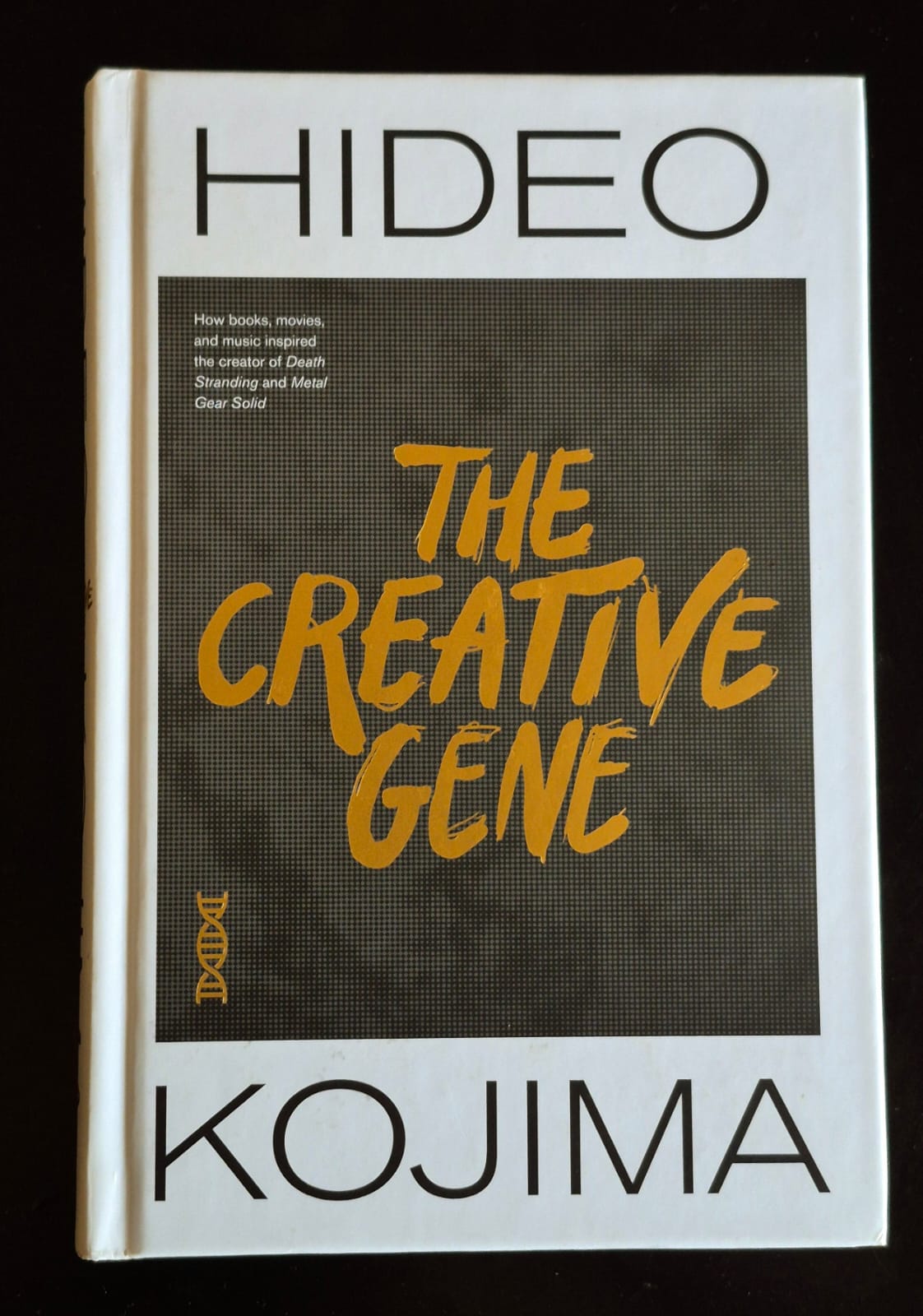
Book Review: THE CREATIVE GENE

Book Review :
THE CREATIVE GENE
by Hideo Kojima

S. Ramkumar

JAN 27 , 2026
Game changer! How this book who is the creator of the iconic video games Metal Gear Solid and Death Stranding changed my outlook on videogames !

Are Games the Problem? An Educator Reads The Creative Gene

_______________

S. Ramkumar

Are video and digital games really all that bad? Parents and teachers often express concern about the amount of time children and students spend playing games on computers or mobile phones—frequently at the expense of their studies. As a teacher, and later as an administrator in colleges and universities, I have witnessed this concern firsthand. In a few instances, students have indeed seen their academic performance suffer due to excessive gaming.

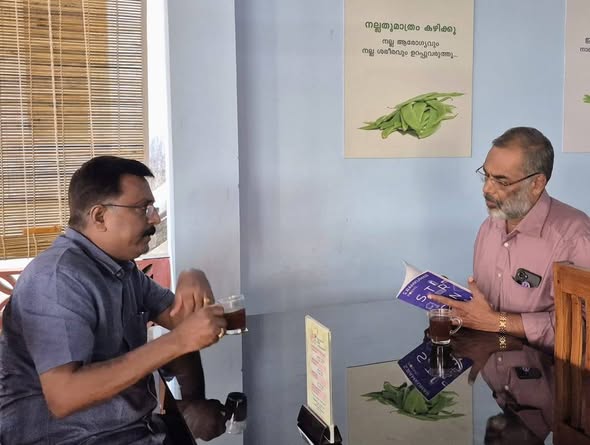
The Creative Gene by Hideo Kojima—creator of the iconic video games Metal Gear Solid and Death Stranding—offers a refreshing and thoughtful perspective on this widely debated issue. Though published in 2013, the book holds even greater relevance today. Importantly, this is not a guide to creating video games. Instead, it is a collection of short, reflective essays on the books, places, people, films, and events that shaped Kojima’s creative life and, indirectly, the worlds he built through his games. Central to his thinking is the enduring connection we have with books and the way ideas continue to influence us long after we first encounter them.

Until reading this book, I too shared the common belief that digital games were necessarily of limited educational value. Kojima’s essays—each revealing a fragment of his intellectual and emotional journey—prompted me to reconsider that assumption. He demonstrates how well-designed games can nurture essential capacities needed in the digital age: creativity, problem-solving, analytical thinking, imagination, and narrative understanding. The real challenge for parents and educators, as the book subtly suggests, lies in distinguishing meaningful engagement from mindless consumption—an increasingly difficult task in the presence of a widening generational gap.

In the introduction, titled “Memes Are What Connect Us,” Kojima articulates his core belief: “A world without books is inconceivable.” Drawing an analogy between genes and memes, he explains that while genes are passed biologically, memes—ideas, emotions, and ways of seeing—are transmitted through books, films, and shared cultural experiences. These memes, he argues, form invisible threads that connect individuals across time and space.

The book is divided into two parts: Part One, “My Lovable Memes,” and Part Two, “Things I Liked at a Certain Time or Place.” Across these sections, Kojima reflects on the influences that shaped his worldview, noting that “the memes these stories communicated to me provided the energy I used to create, and to live.” These accumulated influences find powerful expression in his groundbreaking video games, which are known for their narrative depth, philosophical layers, and emotional complexity.

By showing how inspiration can come from anything one reads, sees, or hears, Kojima reframes video games not as mere entertainment, but as complex creative systems rooted in storytelling and human experience. The challenges within such games demand thought, interpretation, and imagination, making them intellectually engaging rather than passively consuming.

The Creative Gene is ultimately more than a personal archive of inspiration. It is an invitation to rethink our assumptions about games, learning, and creativity. The book challenges the notion that games themselves are the problem, suggesting instead that it is the type of games and the lack of balance that lead to addiction and neglect of responsibility. Thoughtfully designed and responsibly engaged with, games—like books—can become powerful tools for intellectual and creative growth.

A Note for Parents and Teachers: S. Ramkumar

Rather than asking whether games are good or bad, we may need to ask which games our children engage with and how they engage with them. Just as books vary in depth and value, so do games. Guidance, dialogue, and balance are essential. When adults take time to understand the digital worlds children inhabit, games can become opportunities for learning, creativity, and connection—rather than causes for concern.
RK’s 2025: “to look back is to see Forward”

RK's 2025: to look back is to see Forward

S. Ramkumar

The year 2025 has been a remarkable journey, woven with threads of meaningful connections, quiet triumphs, and moments of pure bliss.  As we bid farewell to this final year of the millennial quarter,  what truly stands out are not just the milestones, but the people, places, conversations, and shared spaces that shaped them.

2025 : The year of STRANDOM.poems

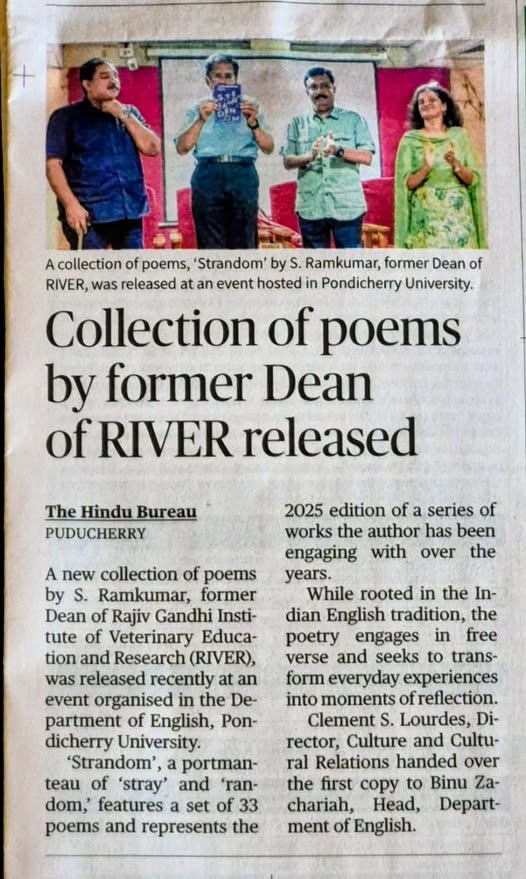
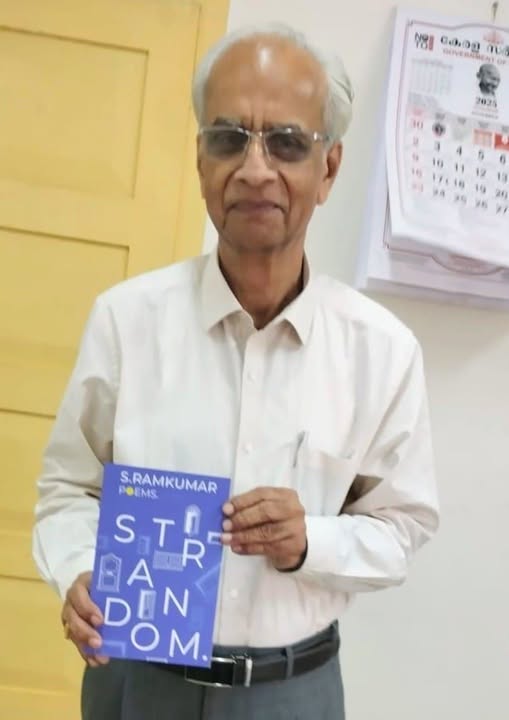
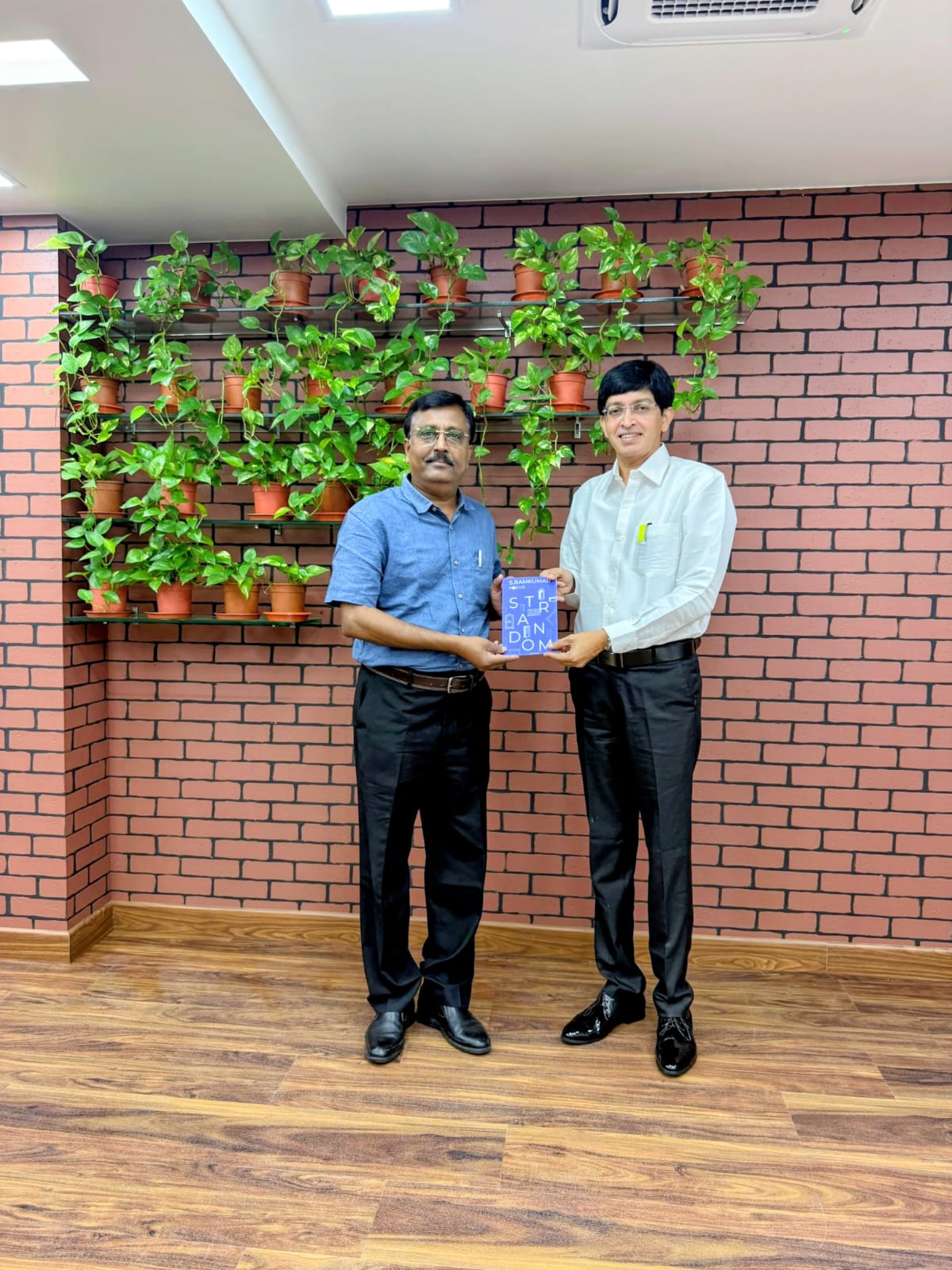
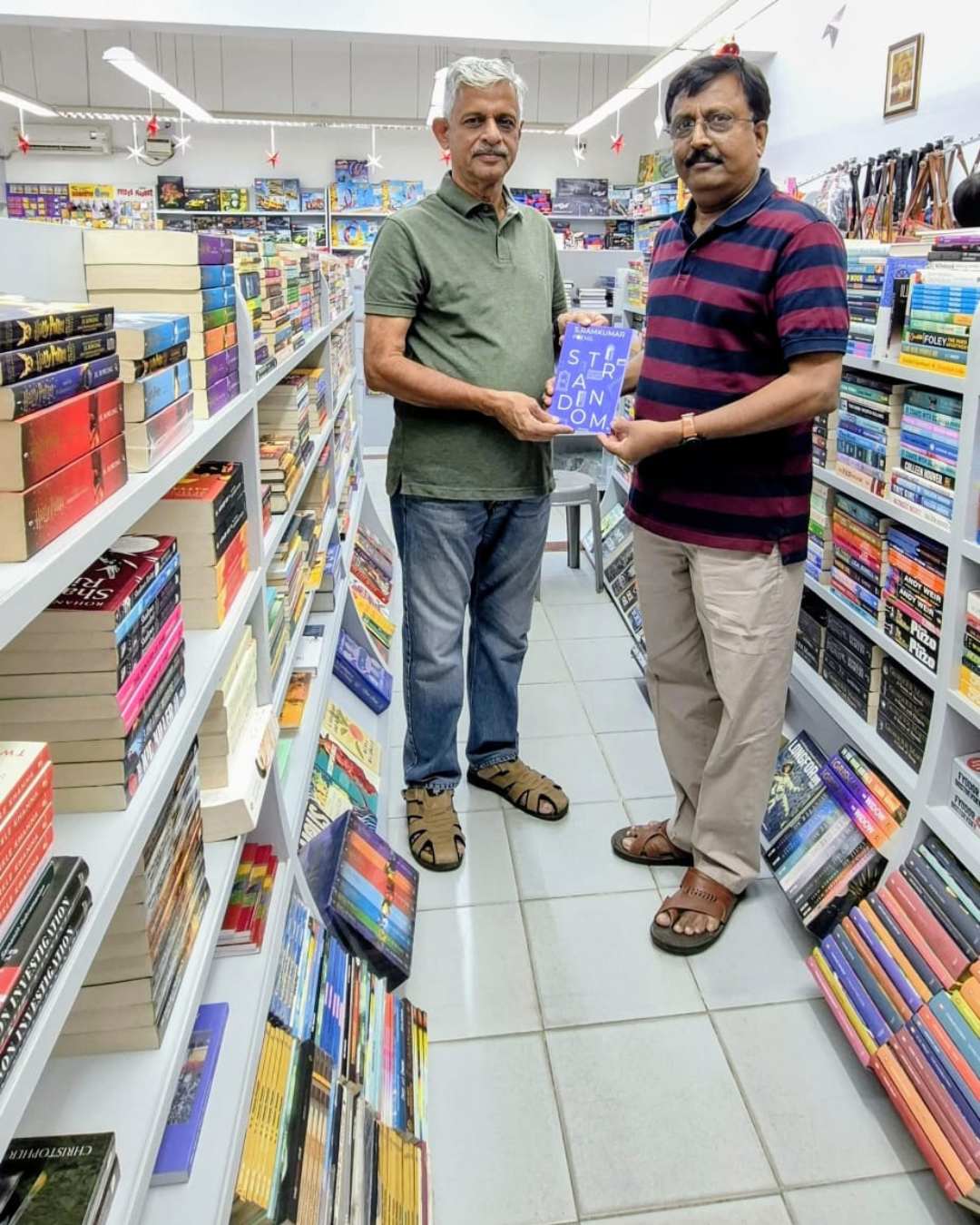
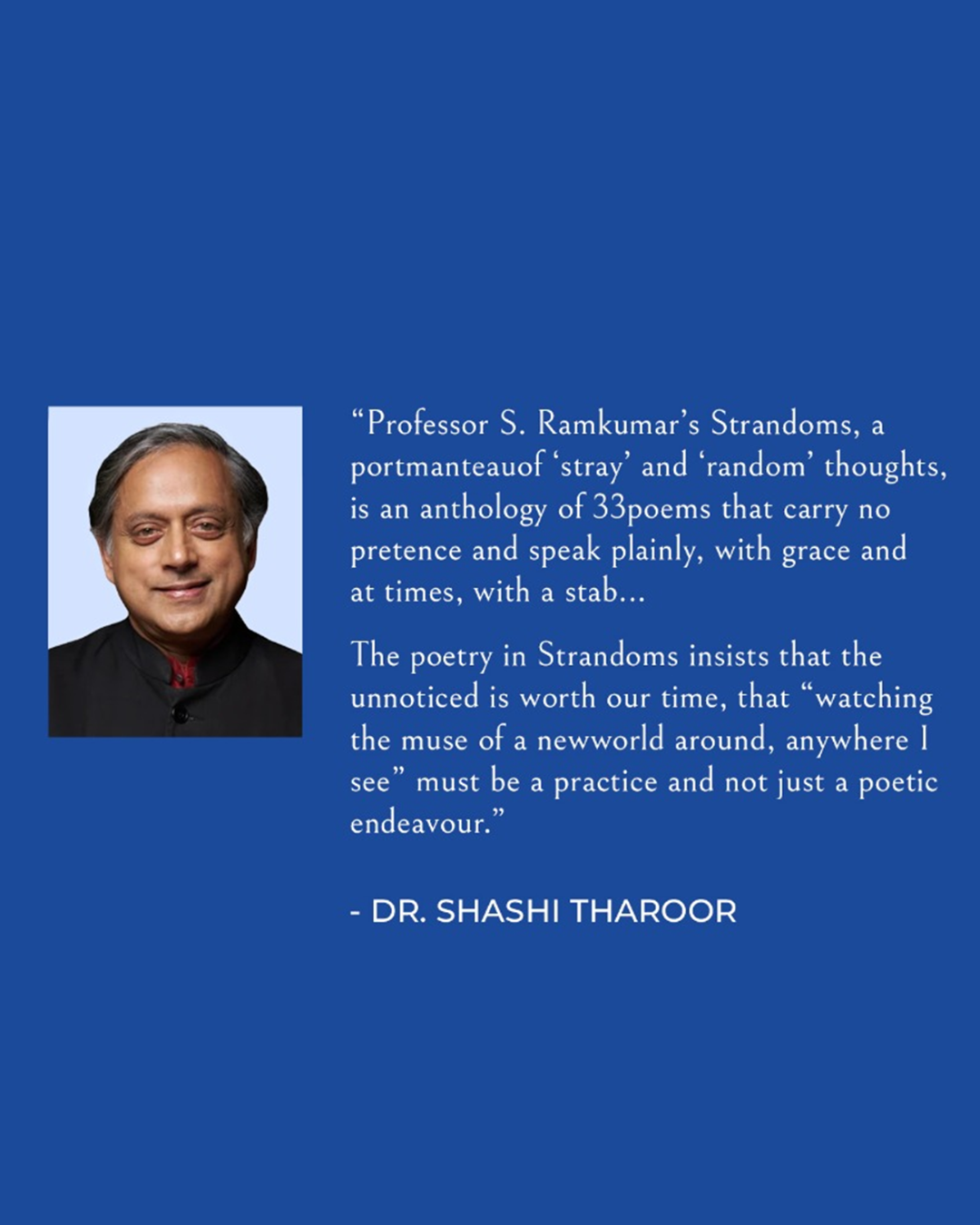
The year 2025 marked a significant literary milestone in my life with the release of my second book, “STRANDOM.Poems,” published by Notion Press Chennai. Now available on major platforms, the encouragement, thoughtful reviews, and heartfelt responses from readers have been profoundly humbling.

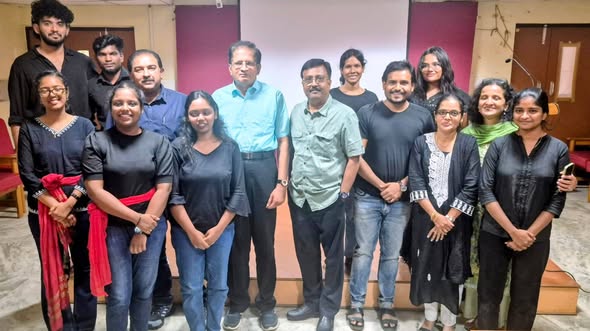
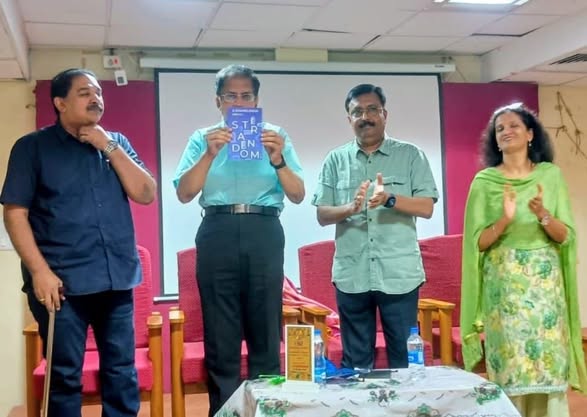
The official launch of the book took place during a memorable literary evening at the Department of English, Pondicherry University. The academic discussions surrounding “STRANDOM.Poems” were particularly gratifying, especially when students engaged deeply with the text. There’s an immense satisfaction that comes from witnessing readers discover their own meanings within the words you’ve crafted – it makes the entire creative journey feel incredibly exciting and encouraging.


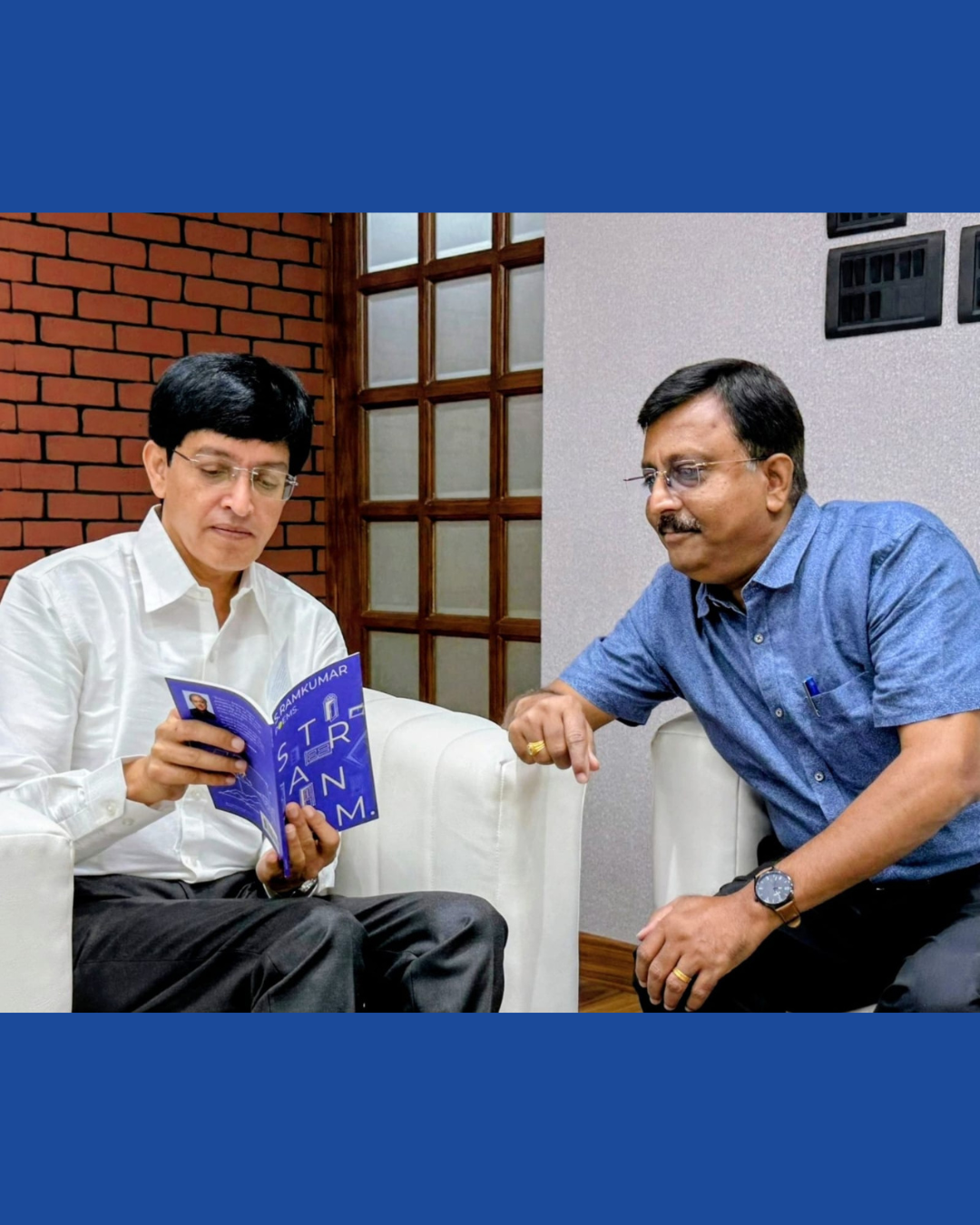
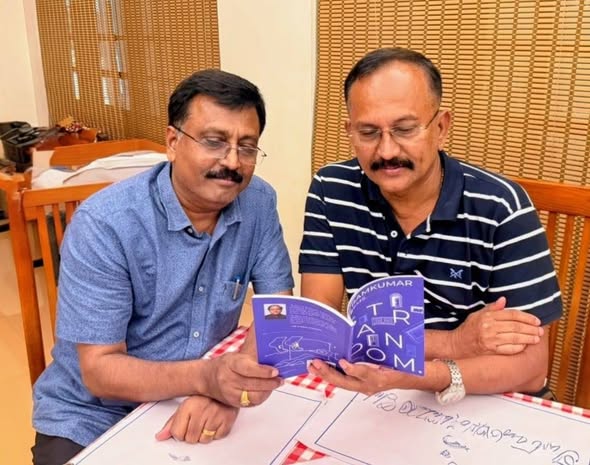
Moments of sharing the book

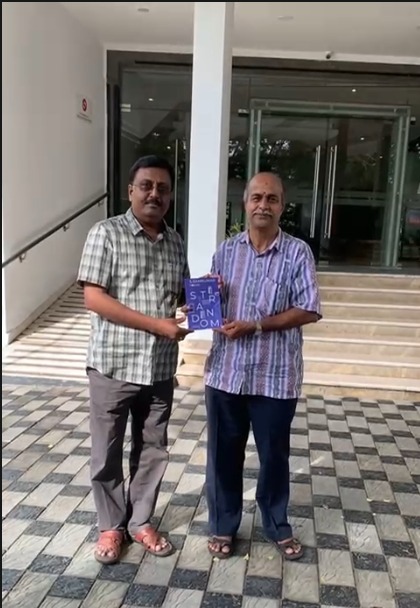
Moments of sharing the book with scholars, students, friends,  readers, dignitaries, and poetry lovers , were imbued with gratitude and grace. I’ve realized, once again, that poetry truly lives not just on pages, but in the intimate spaces of conversations and shared silences.

Education Beyond Classrooms: Nurturing Young Minds

One of the most satisfying chapters of 2025 was the opportunity to engage with educational institutions and the bright young minds within them. From bustling schools to esteemed universities, there’s a palpable shift towards real-life learning experiences.

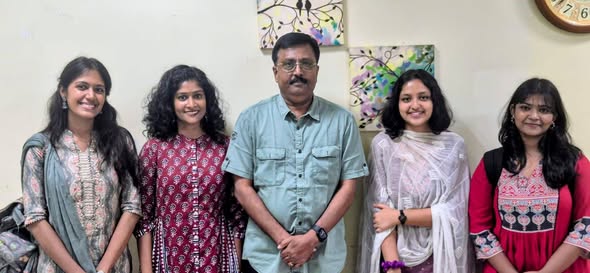
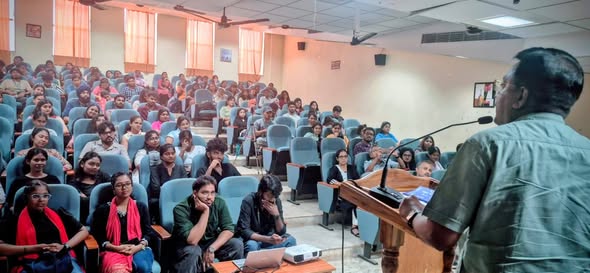
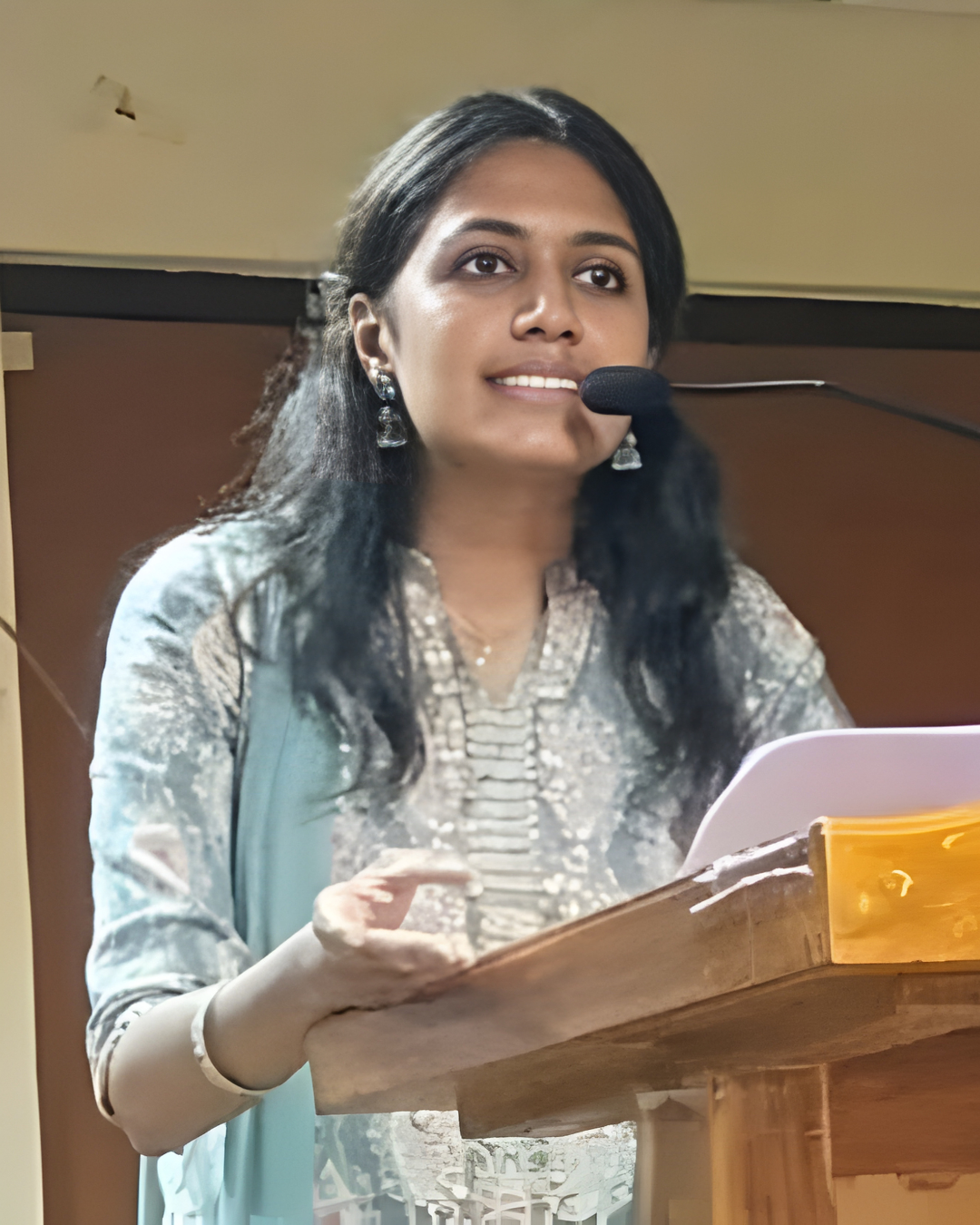
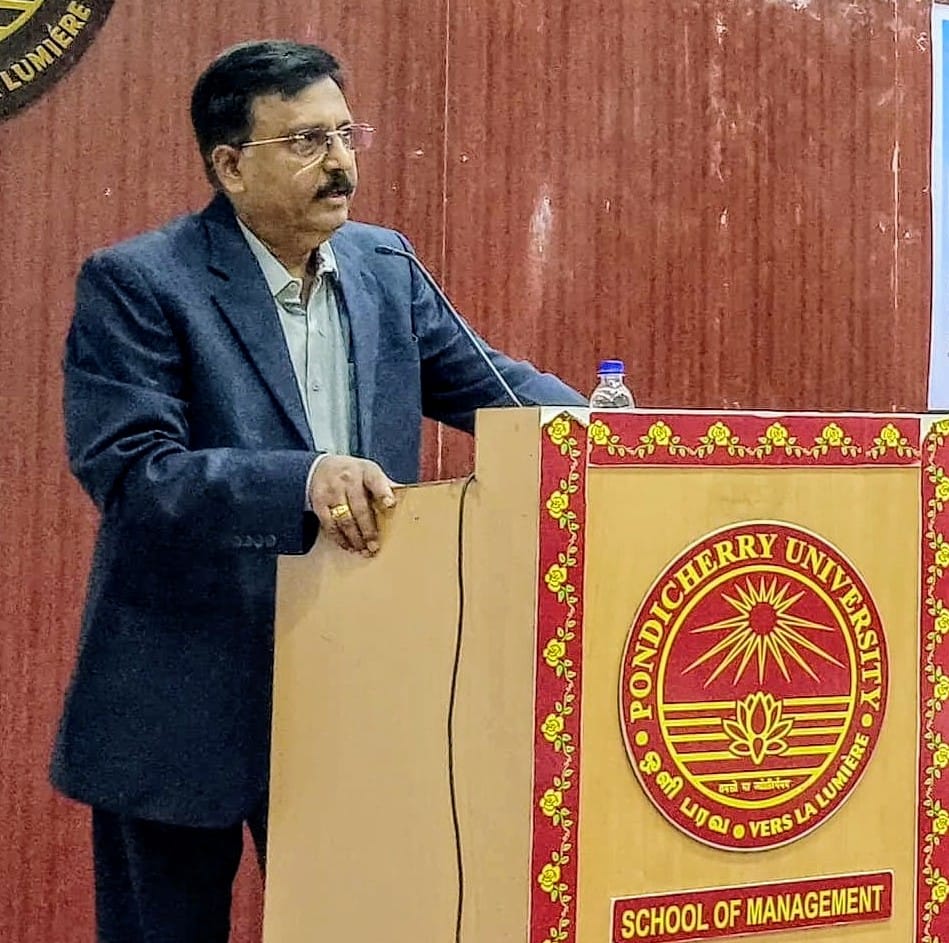
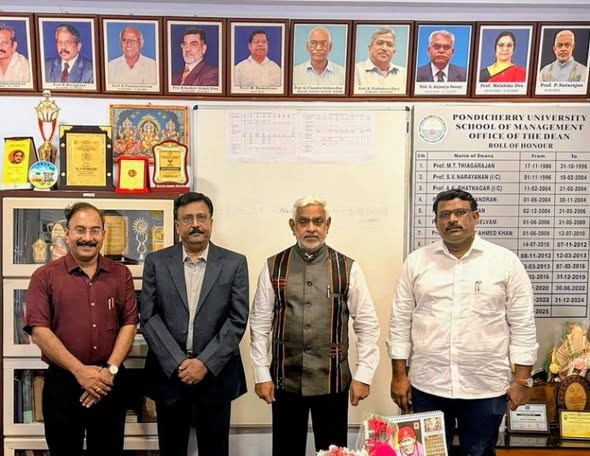
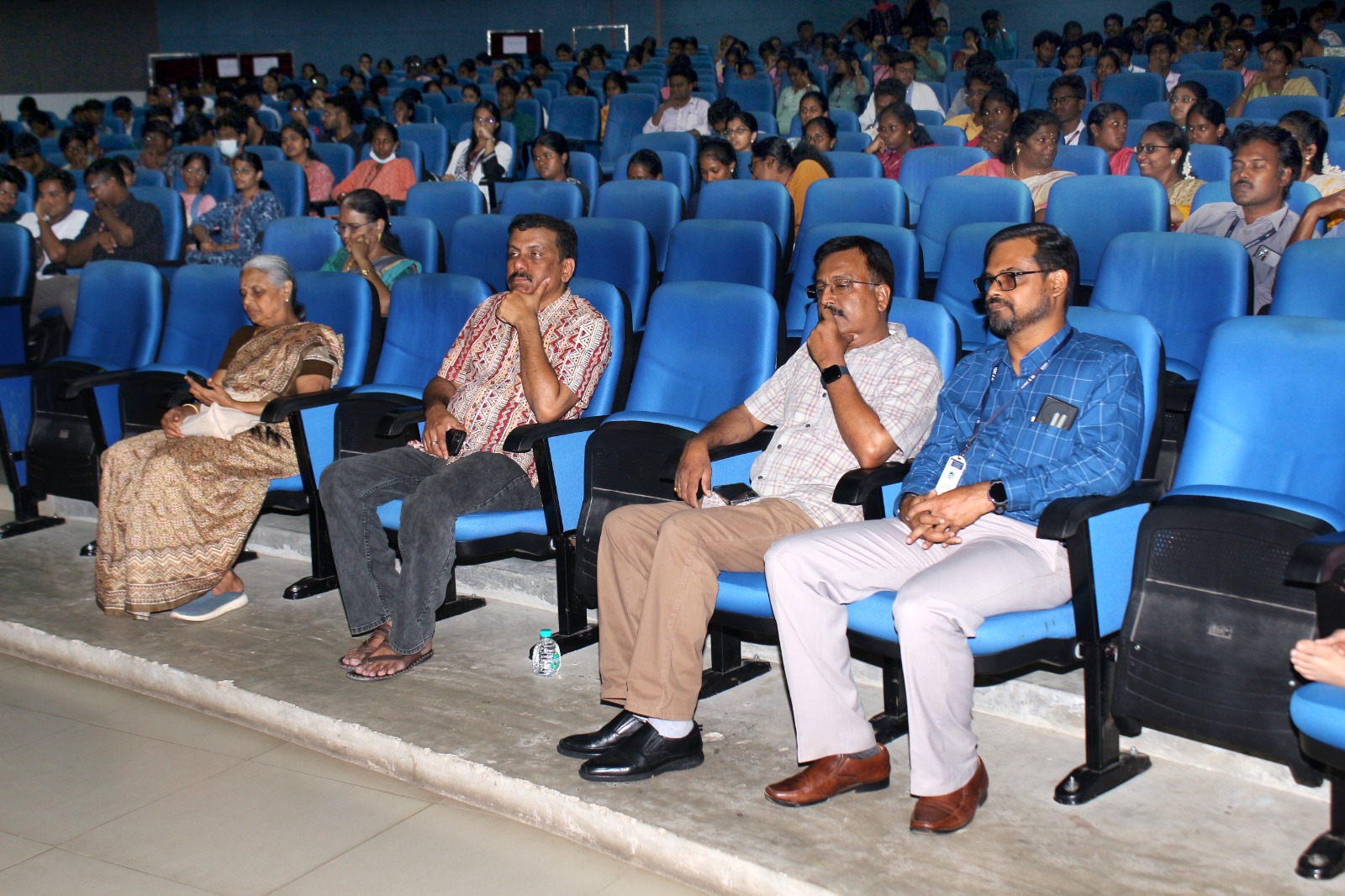
I had the privilege of addressing MBA students at Pondicherry Central University, alongside the esteemed Dean and Head of the Department. This was a wonderful opportunity to share insights on leadership, purpose, and the critical importance of lifelong learning. Such interactions are a powerful reminder that dialogue keeps education vibrant and relevant in an ever-changing world.

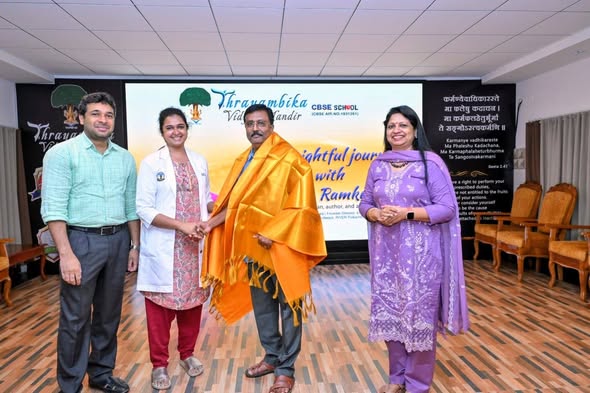
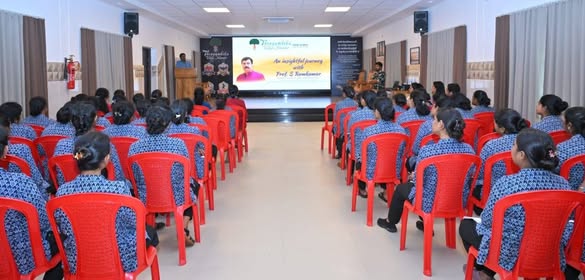
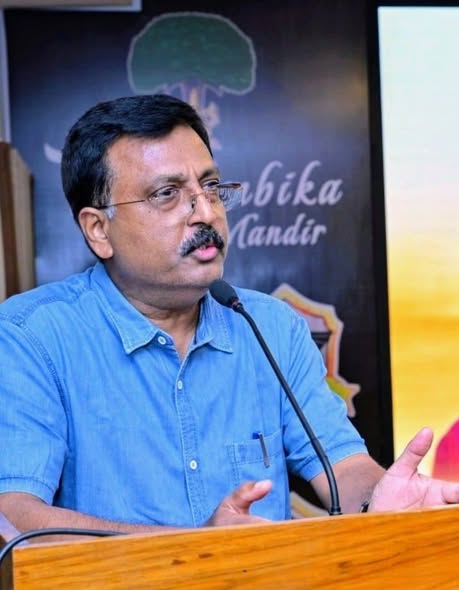
An enriching afternoon spent with the dedicated teachers of Thrayambika Vidya Mandir School in Kulasekharam, Tamil Nadu, reaffirmed my belief that modern education transcends mere instruction. It’s about truly understanding learners, fostering their individuality, and equipping them for life beyond the confines of textbooks. Teachers, without a doubt, are the true architects of our future.
International Conference of IVEF @ chennai

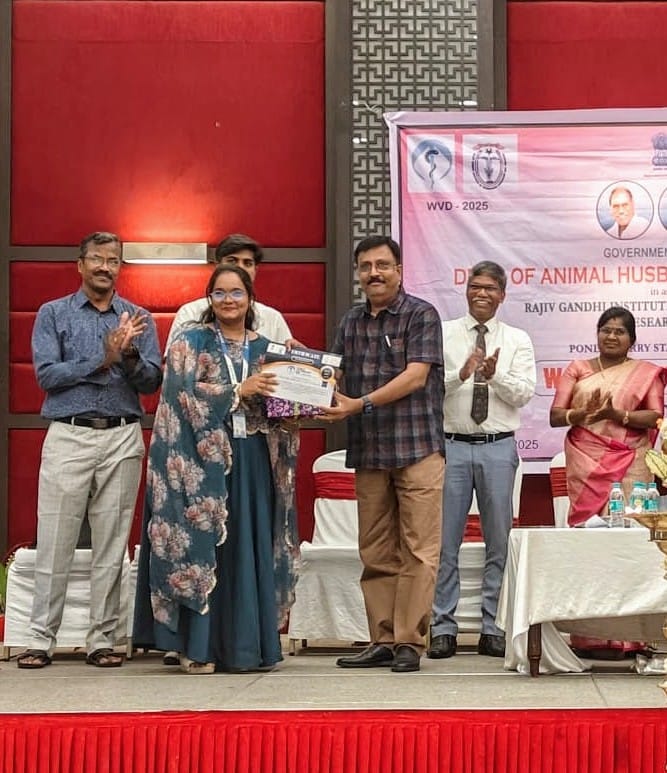
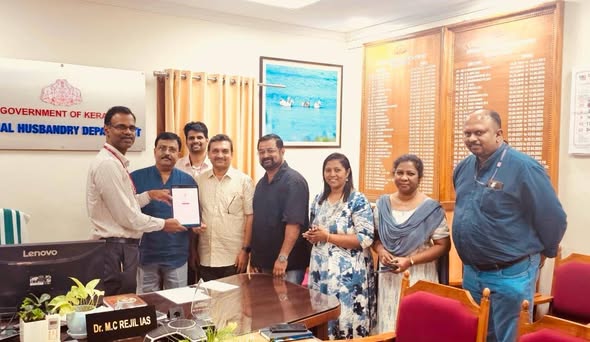
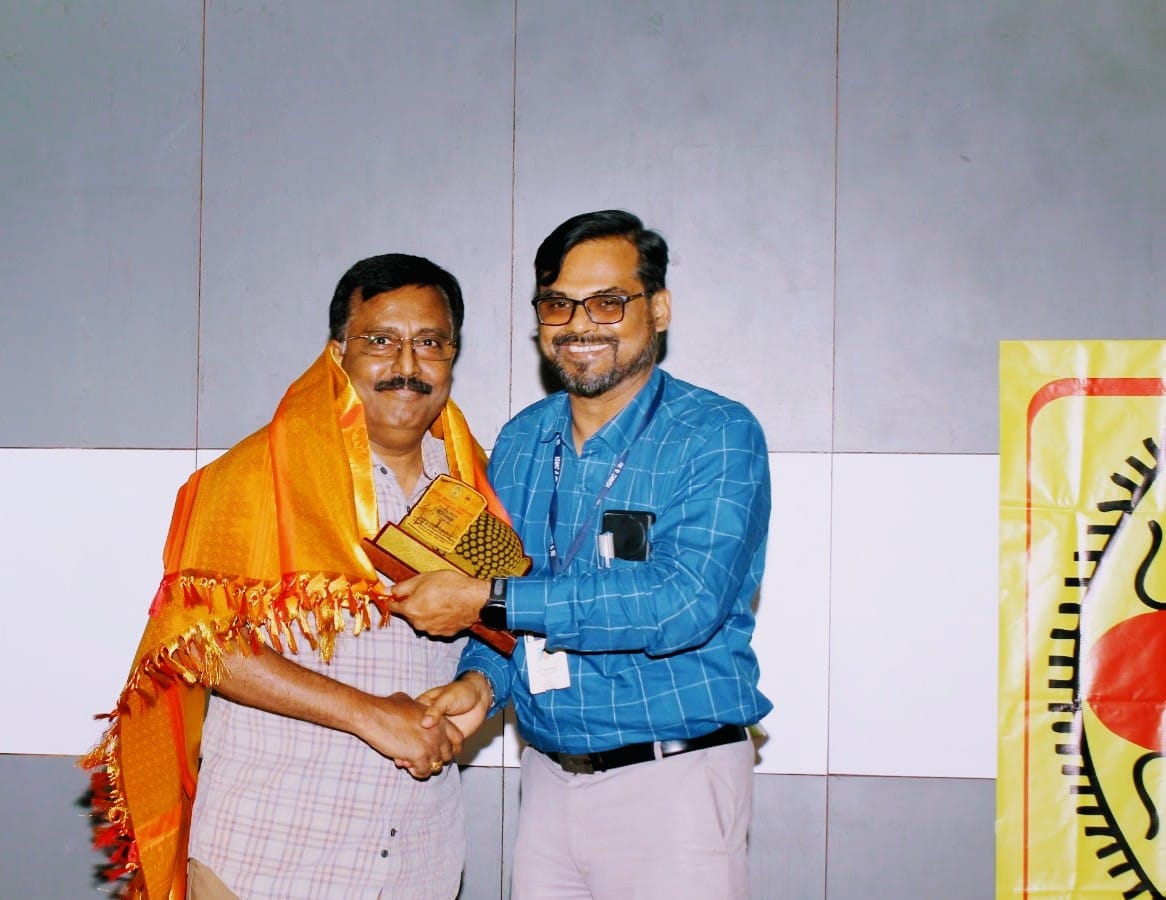
Achievement Award from AHD Govt. of Puducherry

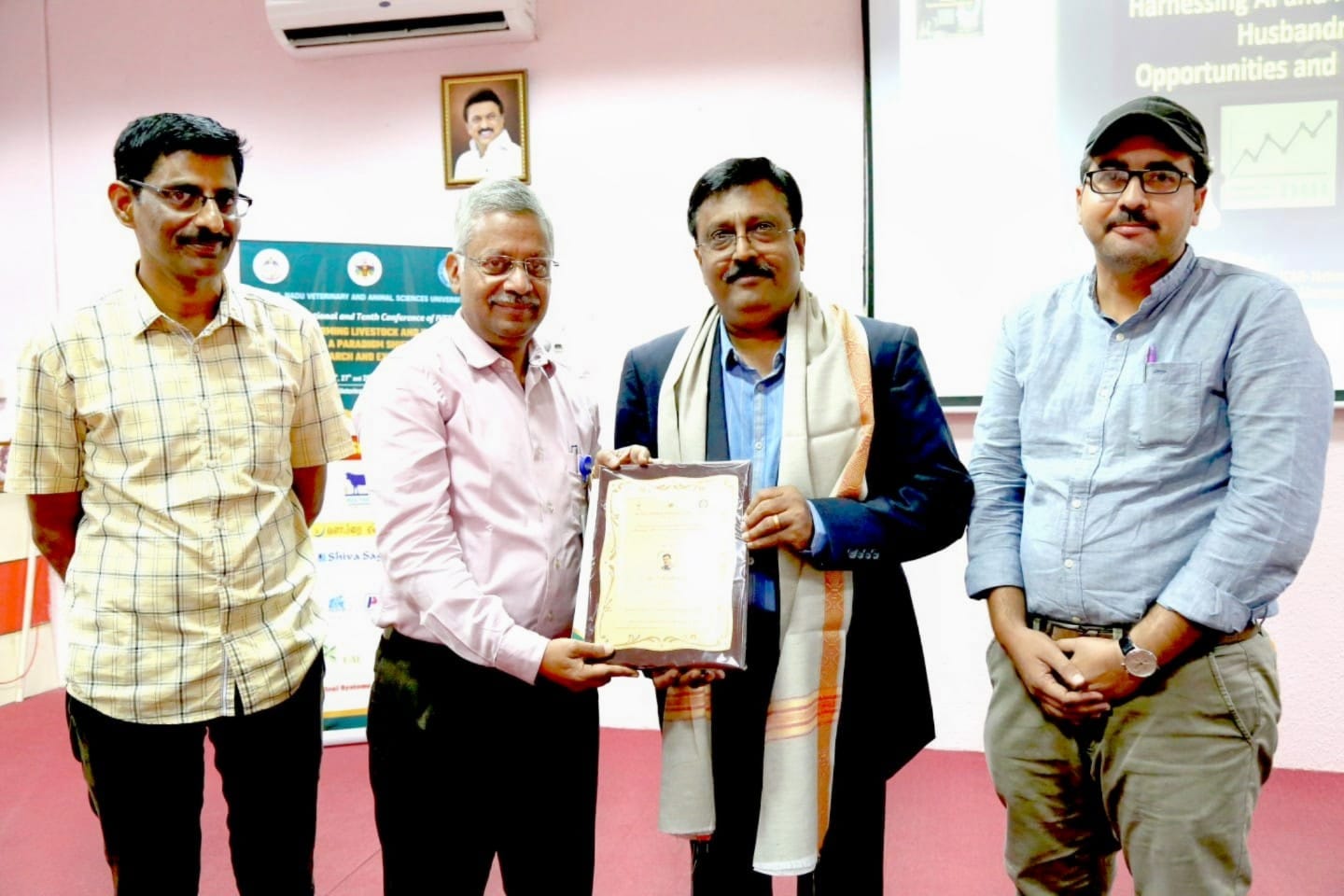
Thankful in receiving the Achievement Award from the Department of Animal Husbandry, Government of Puducherry, alongside my esteemed professional colleagues.

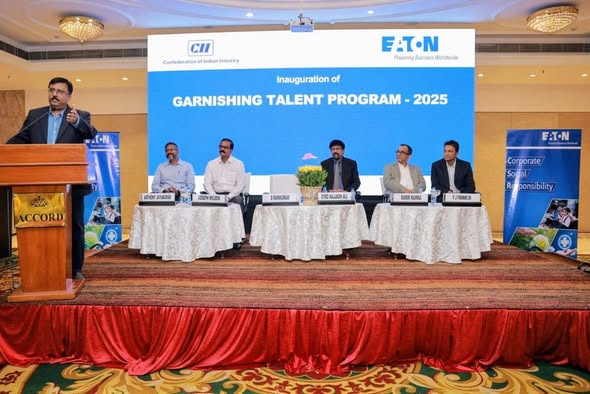
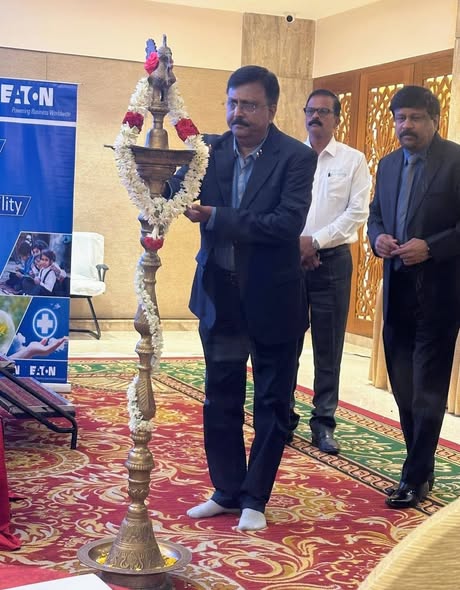
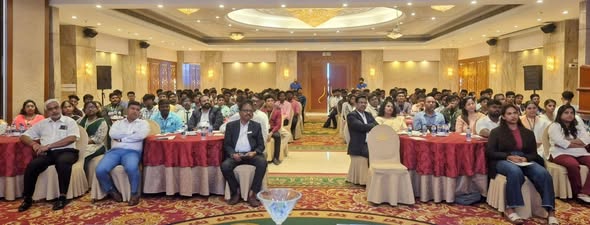
Inaugurating the CII–EATON “Garnishing Talent Programme”

Proud to be part of this initiative for college students from Puducherry and Pondicherry University.
Photos from the programme showcased energy, mentorship, and empowerment.

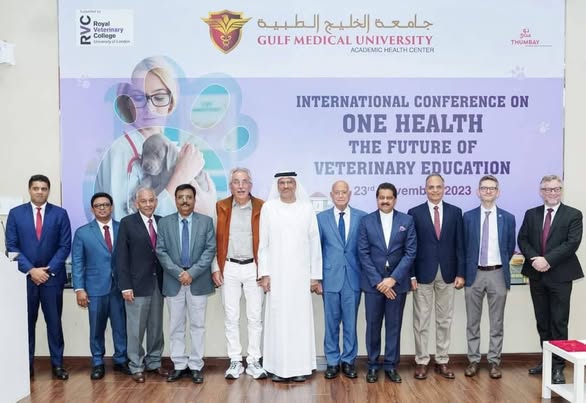
A Proud Moment in Sharjah

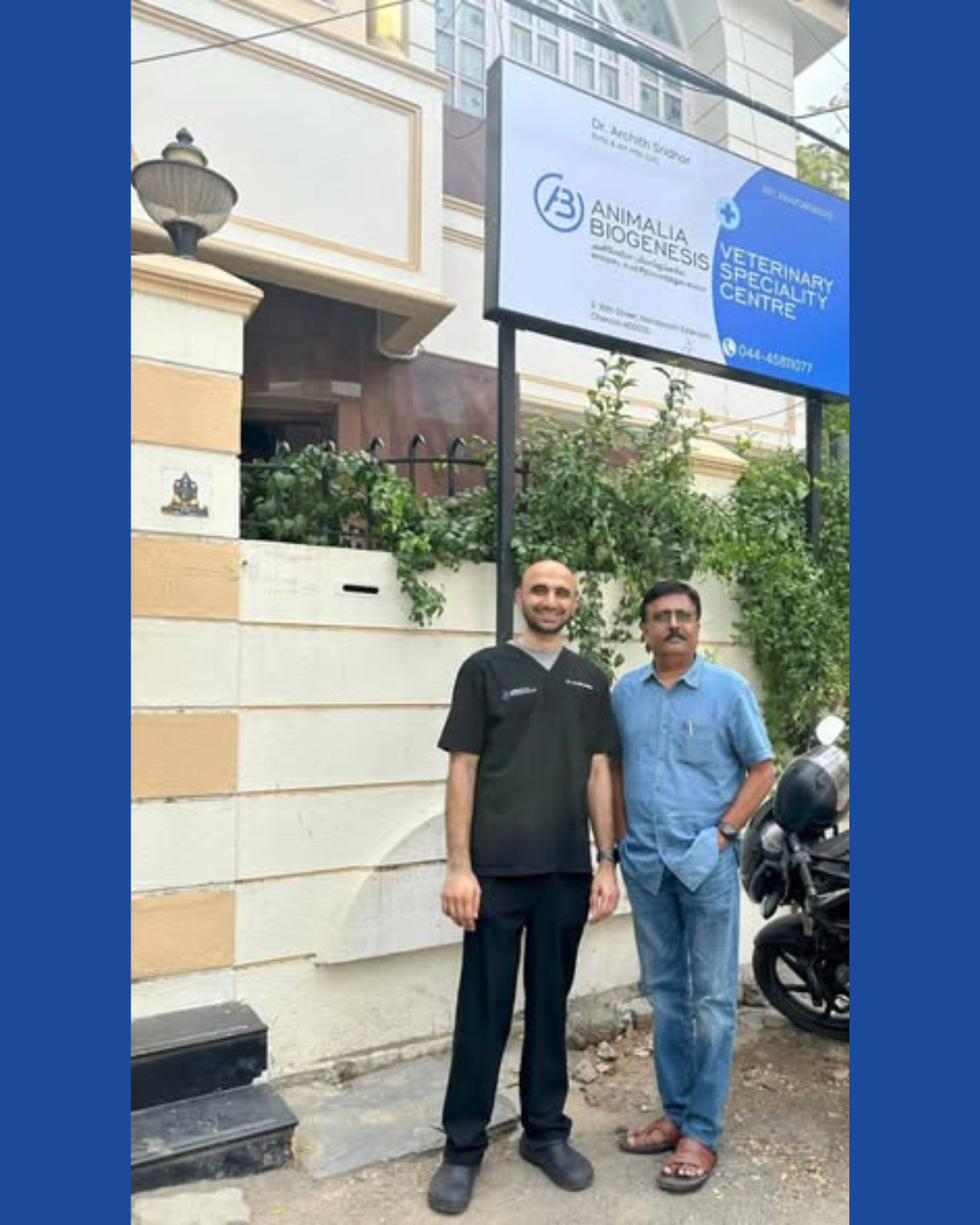
Grand opening of the Thumbay Veterinary Clinic — a milestone in veterinary care and education.
Honoured to join hands with Gulf  Medical University with a dedicated team and initiate a new era in veterinary education

From Students to Professionals: Journeys of Growth

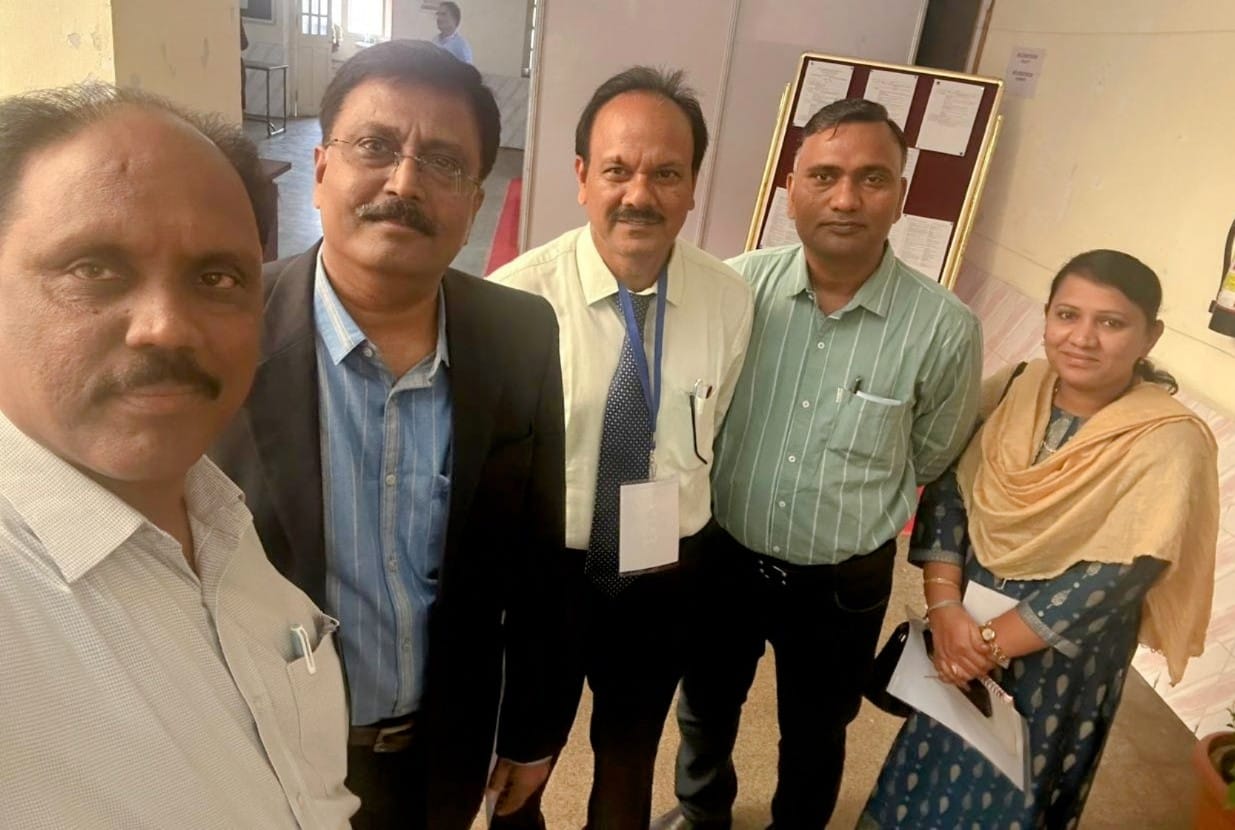
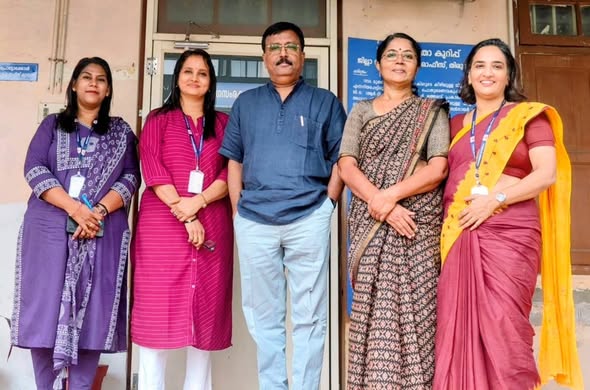
There are moments when time seems to fold back on itself, offering a glimpse into the past and present simultaneously. Meeting former students, now confident and accomplished professionals, at the Kerala Indian Veterinary Association initiative and other professional gatherings was deeply moving.

Witnessing their journeys, from the vibrant classrooms to their impactful roles in the professional world, stands as a quiet testament to growth, perseverance, and the boundless possibilities of innovation.

It was particularly inspiring to see initiatives like the Digital Veterinary Directory and the significant progress toward establishing new veterinary institutions within the Government of Kerala. These moments truly underscore the joy of seeing visions transform into tangible realities.

Cultural Spaces and Collective Memory

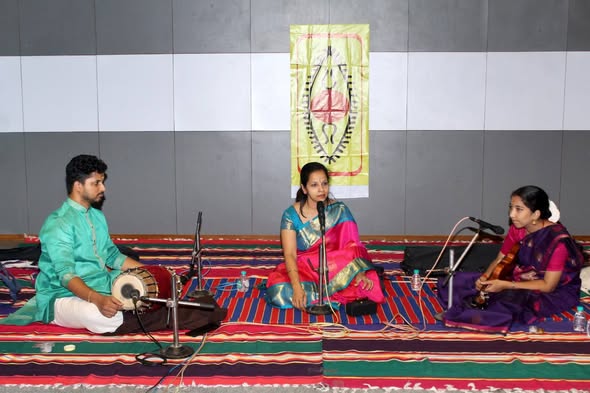
Playing a role in initiating the SPIC MACAY cultural launch

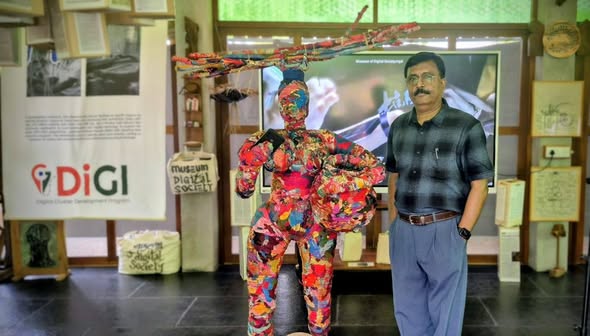
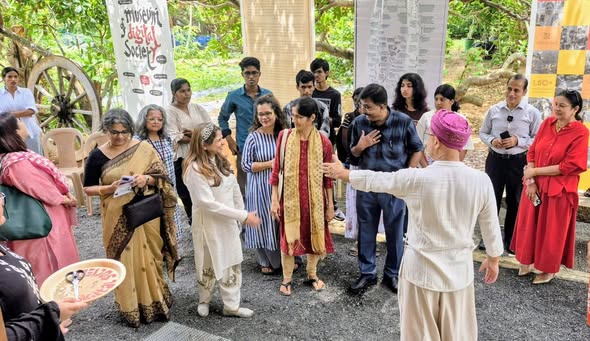
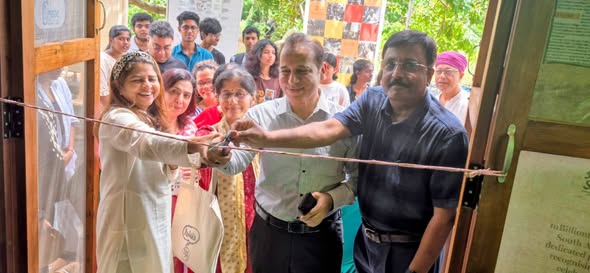
Museum of Digital Society

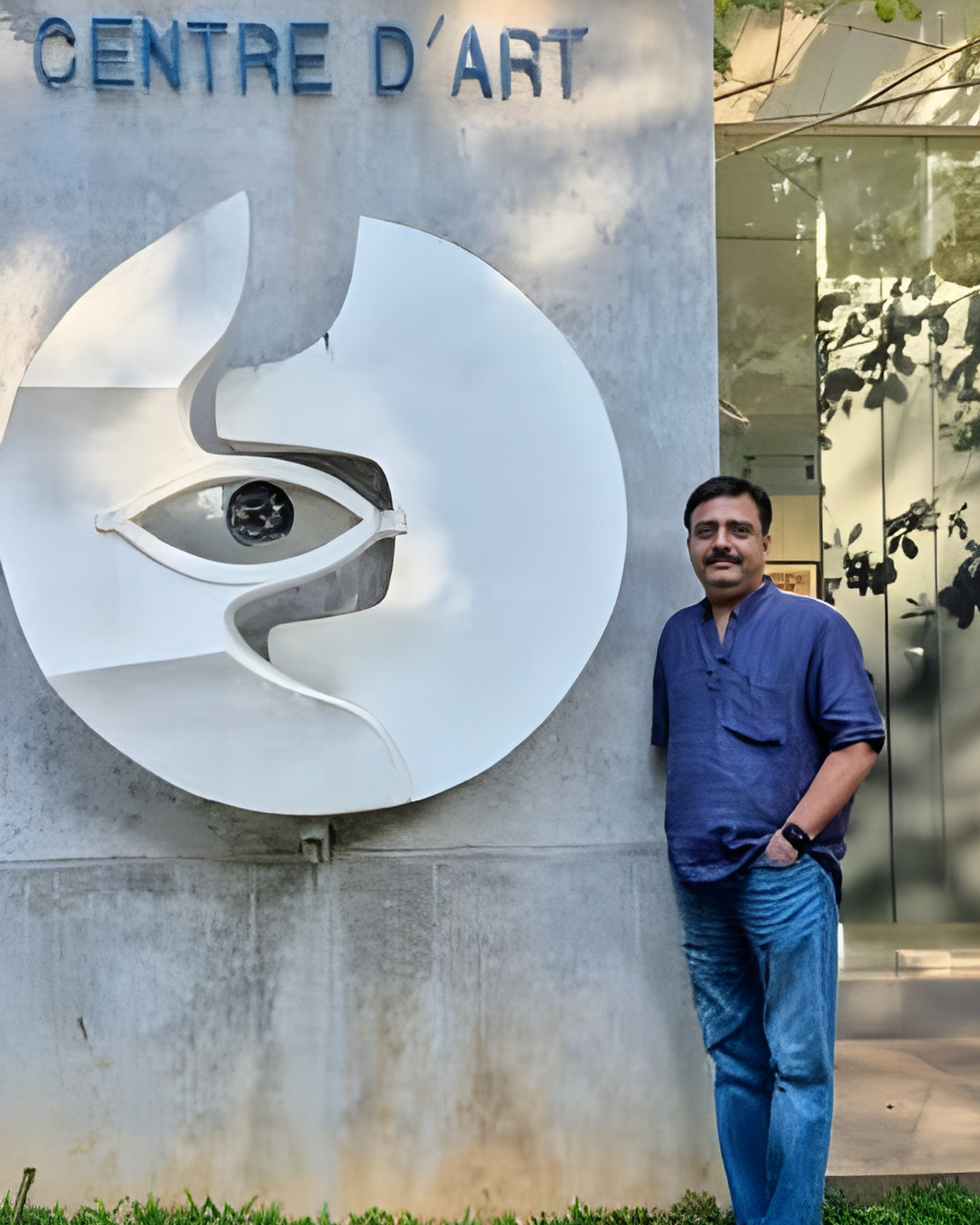
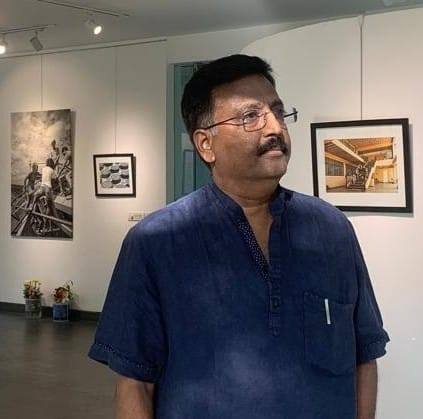
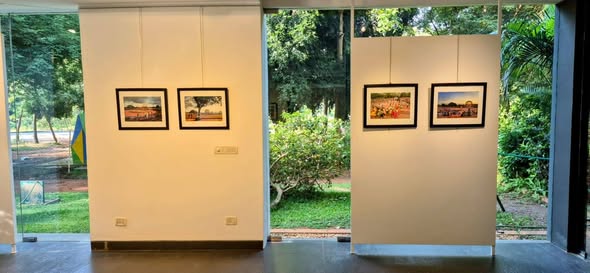
Visits and participation in vibrant cultural spaces, such as the Photo Exhibition at Auroville and the grand opening of India’s first Museum of Digital Society, offered profound moments of reflection. These experiences prompted contemplation on themes of time, memory, and the ever-evolving relationship between humanity and technology.

These moments served as a powerful reminder that progress and thoughtful reflection must always walk hand-in-hand. 

Art Exhibition at Auroville

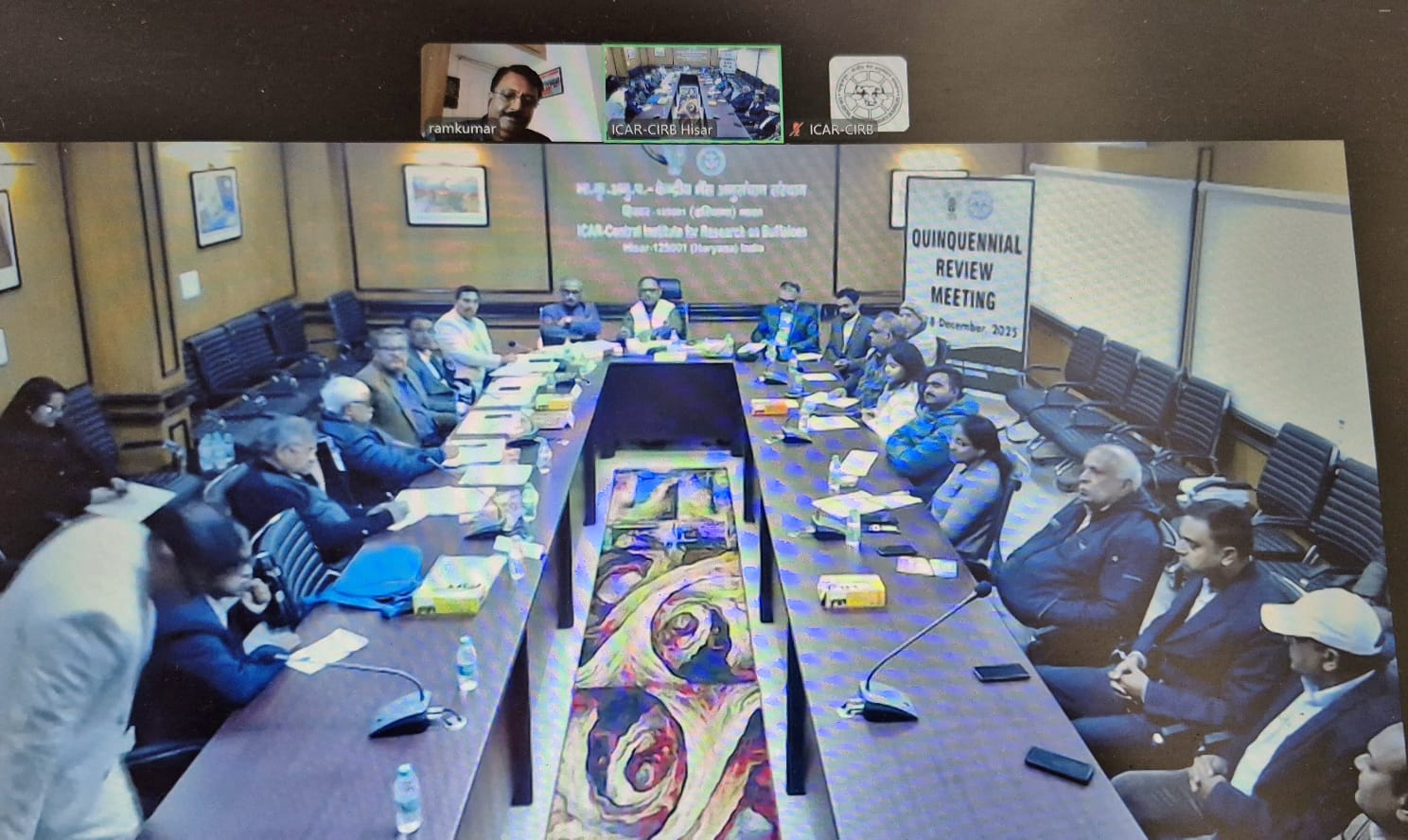
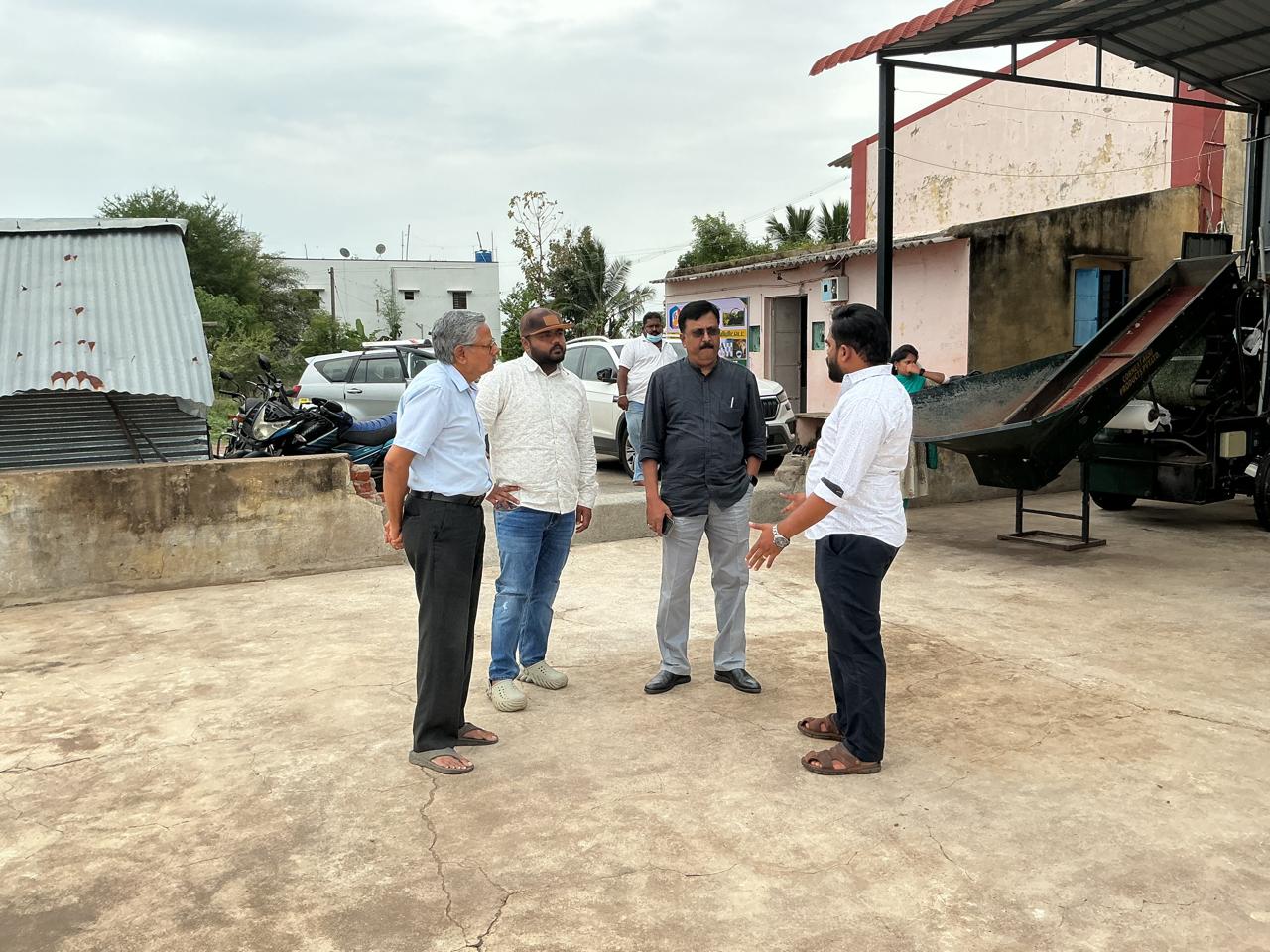
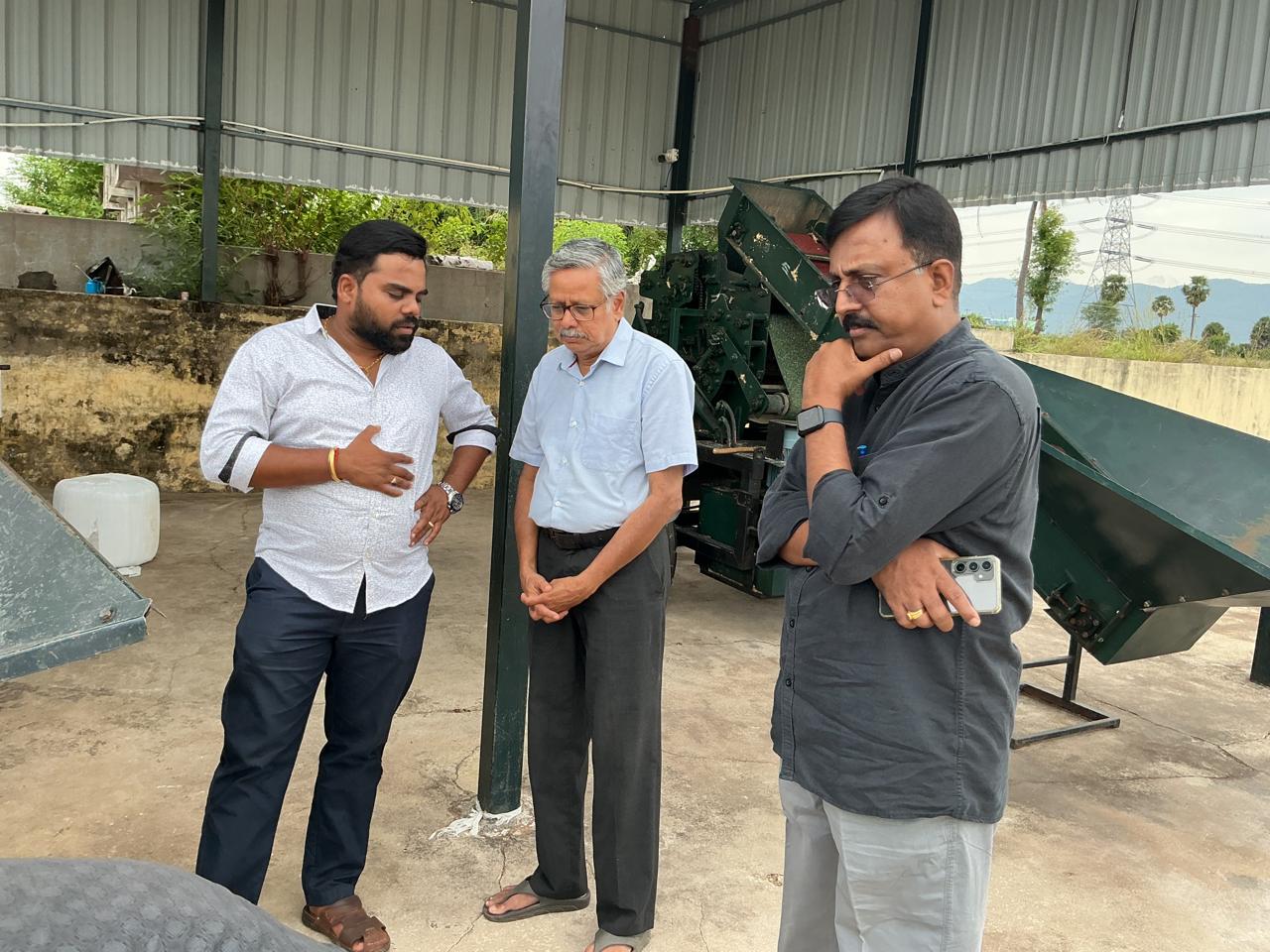
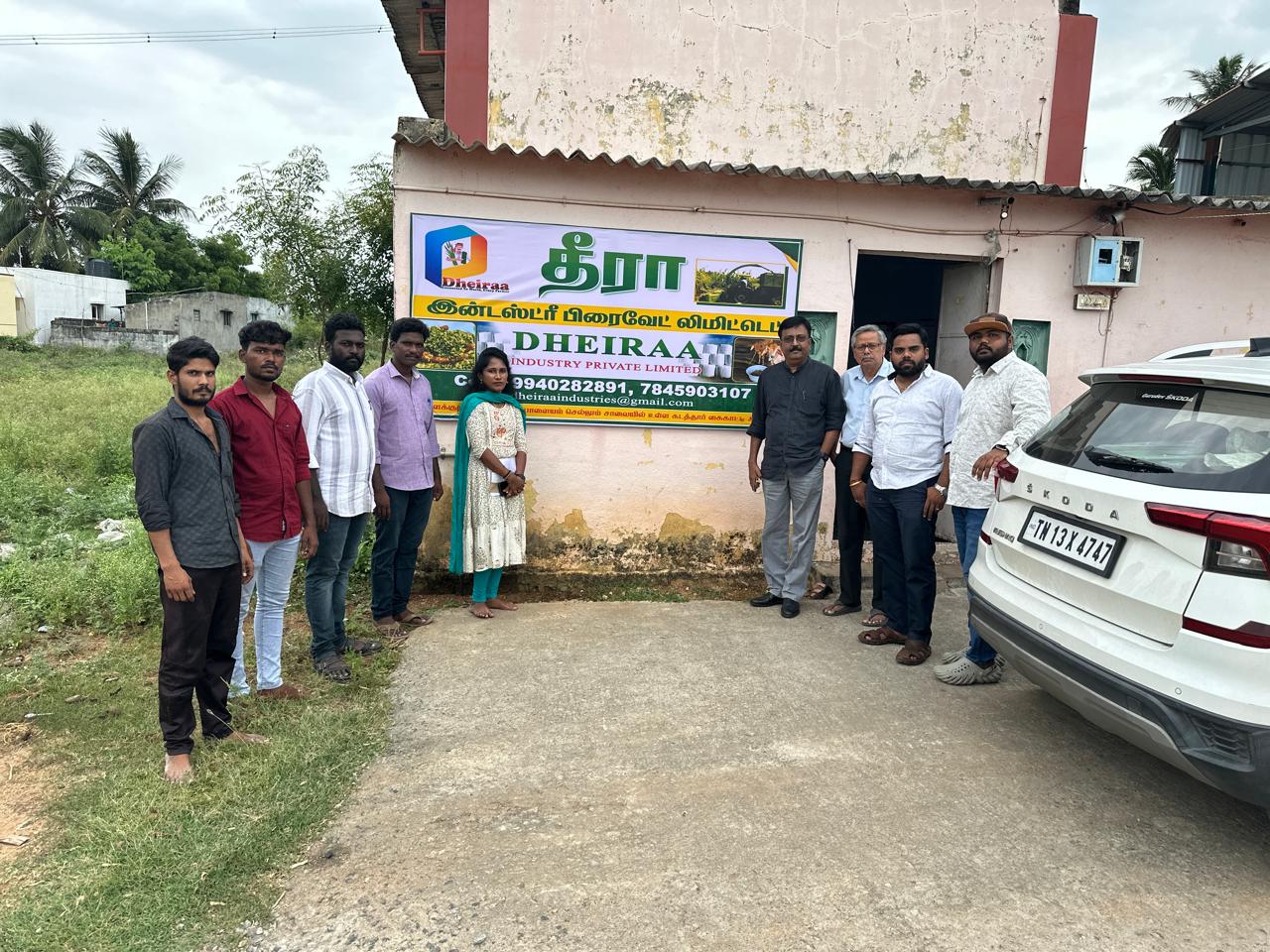
Participating as an expert member of the QRT Evaluation Committe of CIRG , ICAR

Formal field evaluation for Agricultural University of an innovation incubation at Kallakuruchi , Tamilnadu

3

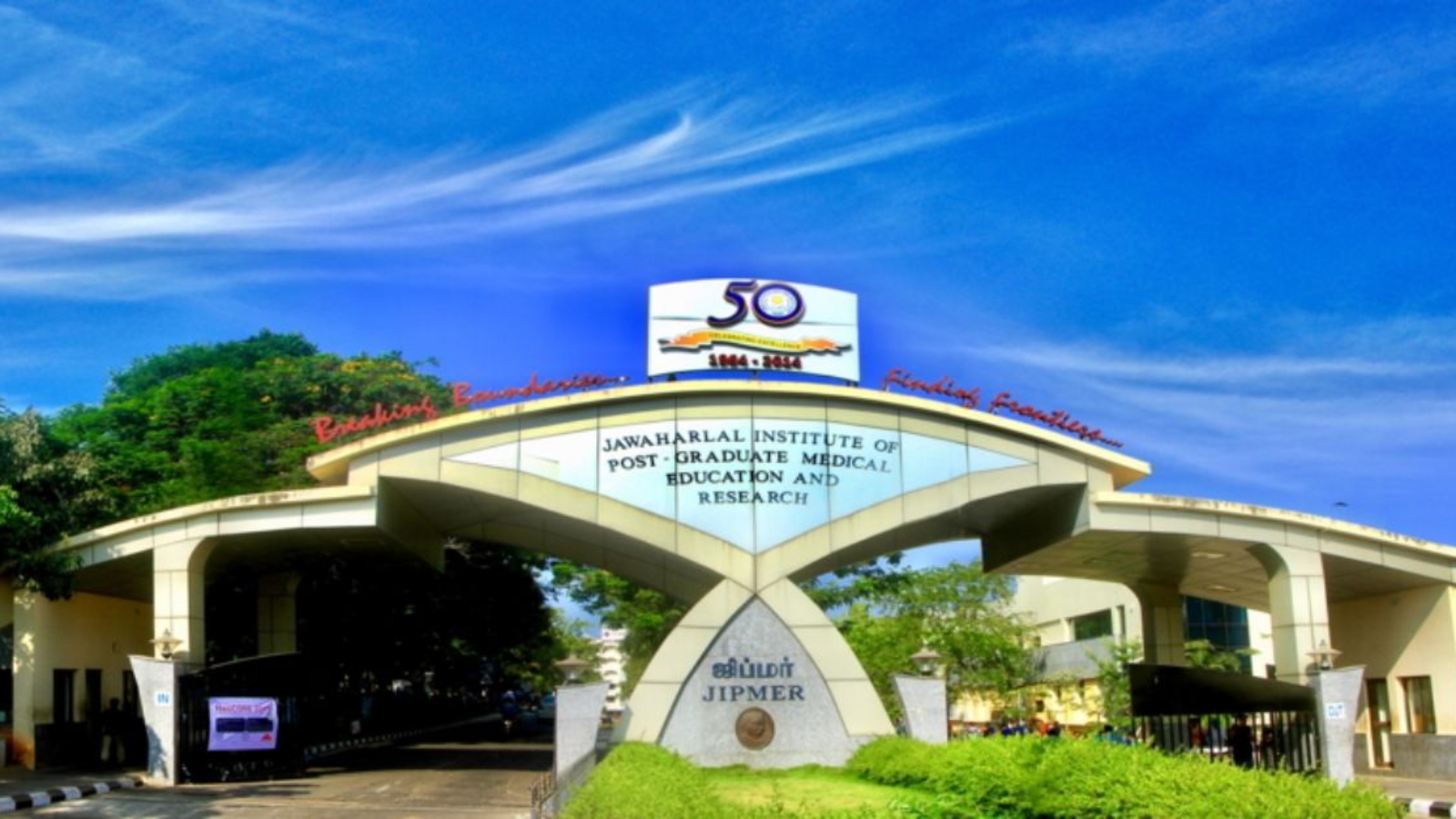
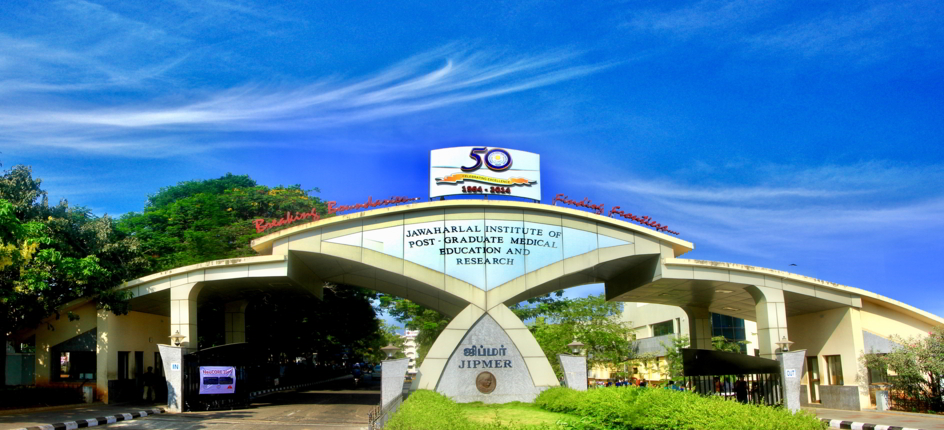
The JIPMER CONNAISSANCE ADDRESS: honing creativity among medical graduates(The Top Secret)

STRANDOMS: the stray and random thoughts

April 20, 2019

Prof. S. Ramkumar

Education

The JIPMER CONNAISSANCE ADDRESS: honing creativity among medical graduates (The Top Secret)

Addressing around 1000 medical graduates from different institutions in JIPMER as a key speaker in CONNAISSANCE 3.0 (Third International Undergraduate Medical Students Conference : April 14, 2019) on “Honing creativity and Innovations among medical students”, the key focus was on facilitating creativity for better evolution as a complete doctor/surgeon. The point that there are role model surgeons and doctors who are inspirational is amazing. The estuary of creativity meeting innovations is a beautiful experience. In the talk though, the effort was to address creativity and innovations in the excerpt below the focus is largely on honing creativity. Though specific to Medical education (and subjects of professions like Veterinary sciences) it can be applied to any field of graduate education.

Creativity cannot be formally taught

…but can be facilitated to develop in the minds of people by designing appropriate environment.

Curiosity is the foundation for creativity, and it’s the inherent capacity developed as a newborn baby through childhood which makes him/her inquisitive about the world- the light, the sound and taste of a new infant born to the “Whys” that they ask parents, grandparents or relatives in the initial stages of development.

However, formal education in kindergartens and primary schools tend to expect “uniform” answers rather than the “diverse” reflections of curious minds. The tendency to ask “whys” among children tend to decrease as they advance to higher classes. The orientation is strongly conditioned to the decimals of the marks in examinations, rather than allowances of creativity; and many around the child look for measuring her/him based on these numbers (marks!). Added to that is the shaping of the Child’s mind, to the interests, aptitude and aspirations of other actors (parents, teachers, friends!).

“From an early age we are given labels which can so easily define our lives” : Richard Gerver. 2013 .“Change – learn to love it, learn to lead it.”.

The efforts of creativity at a graduate level would be to retain and nurture the ability if they are tuned to, or to develop this lost ability (which every individual is born with).

But then, we need to undo/redo from this conditioning, in medical education to bring out the best of a medical graduate for society and themselves. Explore ourselves to discover, which helps to a holistic and “best of potential delivery” to the society. The programme of Connaissance 3.0 is such an opportunity to pause and reflect on the passionate abilities we would have otherwise forgotten or kept in the uncared corners of mind.

Nissen, Einstein and the cellophane:

The following paragraph is a paraphrased version borrowed from the amazing book “Under the Knife : The History of Surgery in 28 remarkable operations by Arnold Van De Laar (2018).

Rudolf Nissen (who fled Germany owing to 2nd world war), is credited with the operation of Nissen fundoplication ; he performed the first successful resection of a whole lung (1931) and was the first to perform a complete resection of the oesophagus. Albert Einstein needs no introduction. He left Germany in 1933 for reasons evident to history.

In 1948, when Einstein was 69 he was the most famous patient Nissen could have imagined to treat in USA.. Nissen diagnosed AAAA( Acute abdominal aortic aneurysm) in Einstein with Xray studies ( since CT scan and ultrasound scan were not developed). As Nissen performed the abdominal operation on the greatest scientist of the world, he found an aneurysm of the abdominal aorta, the size of a grapefruit.

As the aneurysm was still intact, Nissen applied an experimental method : he wrapped it in cellophane – the same synthetic material used to wrap sweets, bread and envelopes. (Use of vascular prosthetic surgery superseded this in the years that followed). “ and it required guts to wrap the aneurysm of the greatest scientist of all time …” To cut short an interesting and epic story I focus on “guts’.

This “guts” is the confidence what I call a “confluence of competency and compassion” of surgeon/doctor: the quintessence of medical education. The capacity of common sense, improvisations or innovations, timely and quick reactions and above all the ability to comprehend the whole situation and act firm and fine in the best interest of the patient.

Where does it come from ?

Undoubtedly, from the creativity of stretching minds of imagination. Medical education is a confluence of Competency, Creativity, Connectivity (especially in this Google age!) and Compassion. Competencies are built through the well thought of curriculum of five and half years: the Skills. Knowledge and mindset. However, the other abilities are to be nurtured and ignited through an ecosystem favouring liberated minds that will synergistically benefit the community, doctor and above all the profession.

Honing creativity

Dare to think !

It’s amazing how we can study history, anthropology, arts, architecture and many more interesting areas of life through medical science. In the talk that followed mine, Dr. Deepak Agrawal (Professor Neurosurgery, AIIMS Delhi, Co-inventor of World’s Cheapest Ventilator) interestingly explained on how he could see a plot or design of a human brain in a painting of Michael Angelo. This perspective is creativity. He has helped in transforming the corridors of AIIMS to have an art gallery with paintings for the patients and public who visit AIIMS.

This is what creativity does to a doctor, and the reason why creativity and innovation need to be complemented in the period of medical education. It’s the ability to see the same situation in different perspectives.

And in India, it all needs to be approachable and affordable for the common patient.

The algorithm of diagnosis

In this technological era, we are moving from the “Sherlock Holmes method” of diagnosis to “ the artificial intelligence” (AI) methods” like the Magic of Watson’s algorithm (IBM).

“Today IBM will feed a medical Watson, 3000 images, 200 of which are melanomas and 2800 are not, and Watson then uses its algorithm to start to learn that the melanomas have these colours, topographies and edges. And after looking at tens of thousands and understanding the features they have in common, it can, much quicker than a human, identify particularly cancerous ones. That capability frees up doctors to focus where they are most needed – with the patient.” Thomas L. Friedman. 2016. “Thank you for being late : an optimist’s guide to thriving in the age of accelerations”.

The balance between the technology and patient helps to retain intuition, empathy and judgment the vital parameters of a doctor’s life. Retaining the personal qualities in the tirade of technologies is a challenge. Creativity is one of the solutions to the sweeping technologies, which can build on identity!

The key mantra is : Man reins the machine.

Faculty orientation.

The present generation students are born into the fast track of technologies that decide day to day life.

“Subject and wisdom” wise, we assume faculty are experienced. But the faculty need to give a wider and open space for the enhanced capacities of the brilliant students who are a product of the present time and technologies – the Google generation born in to the “smart worlds”. There is a lot about the world that is to be understood from students!

The lateral learning from different walks of arts and science helps in good innovations. Whether it’s a book, movie, music or maverick – creativity sees innovations when we open up interfaces with these.

The disciplined knowledge of the doctor synchronised with the skills and knowledge from different realms of science and arts open up new avenues and innovations.

“Learn – unlearn- Relearn” is the key to open the lock of a closed mind.

Innovation clubs/café

These can provide spaces for students, staff and others (be it patients or outsiders) to discuss on lateral thinking. These can be informal centres of coffee breaks, wherein ideas are shared and the ones are taken forward through a good innovation facilitation centre.

Epilogue: The Top Secret

The secret of the Top is to spin it.

A still top doesn’t qualify to be called a top. We all have been blessed with a top. The question is how many of us has spun it and how many times!

Share