Book Review: THE CREATIVE GENE

Book Review :
THE CREATIVE GENE
by Hideo Kojima

S. Ramkumar

JAN 27 , 2026
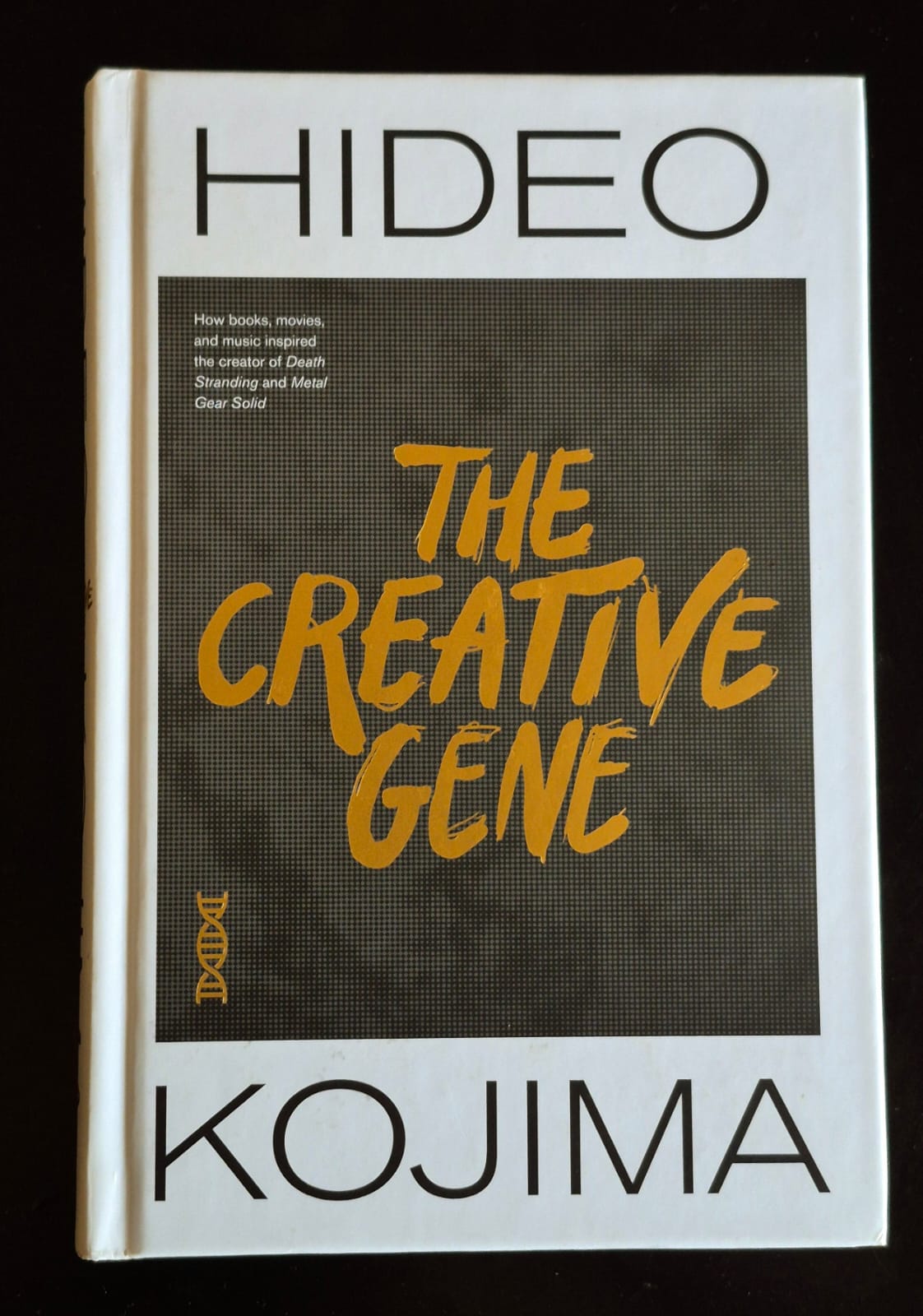
Game changer! How this book who is the creator of the iconic video games Metal Gear Solid and Death Stranding changed my outlook on videogames !

Are Games the Problem? An Educator Reads The Creative Gene

_______________

S. Ramkumar

Are video and digital games really all that bad? Parents and teachers often express concern about the amount of time children and students spend playing games on computers or mobile phones—frequently at the expense of their studies. As a teacher, and later as an administrator in colleges and universities, I have witnessed this concern firsthand. In a few instances, students have indeed seen their academic performance suffer due to excessive gaming.

The Creative Gene by Hideo Kojima—creator of the iconic video games Metal Gear Solid and Death Stranding—offers a refreshing and thoughtful perspective on this widely debated issue. Though published in 2013, the book holds even greater relevance today. Importantly, this is not a guide to creating video games. Instead, it is a collection of short, reflective essays on the books, places, people, films, and events that shaped Kojima’s creative life and, indirectly, the worlds he built through his games. Central to his thinking is the enduring connection we have with books and the way ideas continue to influence us long after we first encounter them.

Until reading this book, I too shared the common belief that digital games were necessarily of limited educational value. Kojima’s essays—each revealing a fragment of his intellectual and emotional journey—prompted me to reconsider that assumption. He demonstrates how well-designed games can nurture essential capacities needed in the digital age: creativity, problem-solving, analytical thinking, imagination, and narrative understanding. The real challenge for parents and educators, as the book subtly suggests, lies in distinguishing meaningful engagement from mindless consumption—an increasingly difficult task in the presence of a widening generational gap.

In the introduction, titled “Memes Are What Connect Us,” Kojima articulates his core belief: “A world without books is inconceivable.” Drawing an analogy between genes and memes, he explains that while genes are passed biologically, memes—ideas, emotions, and ways of seeing—are transmitted through books, films, and shared cultural experiences. These memes, he argues, form invisible threads that connect individuals across time and space.

The book is divided into two parts: Part One, “My Lovable Memes,” and Part Two, “Things I Liked at a Certain Time or Place.” Across these sections, Kojima reflects on the influences that shaped his worldview, noting that “the memes these stories communicated to me provided the energy I used to create, and to live.” These accumulated influences find powerful expression in his groundbreaking video games, which are known for their narrative depth, philosophical layers, and emotional complexity.

By showing how inspiration can come from anything one reads, sees, or hears, Kojima reframes video games not as mere entertainment, but as complex creative systems rooted in storytelling and human experience. The challenges within such games demand thought, interpretation, and imagination, making them intellectually engaging rather than passively consuming.

The Creative Gene is ultimately more than a personal archive of inspiration. It is an invitation to rethink our assumptions about games, learning, and creativity. The book challenges the notion that games themselves are the problem, suggesting instead that it is the type of games and the lack of balance that lead to addiction and neglect of responsibility. Thoughtfully designed and responsibly engaged with, games—like books—can become powerful tools for intellectual and creative growth.

A Note for Parents and Teachers: S. Ramkumar

Rather than asking whether games are good or bad, we may need to ask which games our children engage with and how they engage with them. Just as books vary in depth and value, so do games. Guidance, dialogue, and balance are essential. When adults take time to understand the digital worlds children inhabit, games can become opportunities for learning, creativity, and connection—rather than causes for concern.
RK’s 2025: “to look back is to see Forward”

RK's 2025: to look back is to see Forward

S. Ramkumar

The year 2025 has been a remarkable journey, woven with threads of meaningful connections, quiet triumphs, and moments of pure bliss.  As we bid farewell to this final year of the millennial quarter,  what truly stands out are not just the milestones, but the people, places, conversations, and shared spaces that shaped them.

2025 : The year of STRANDOM.poems

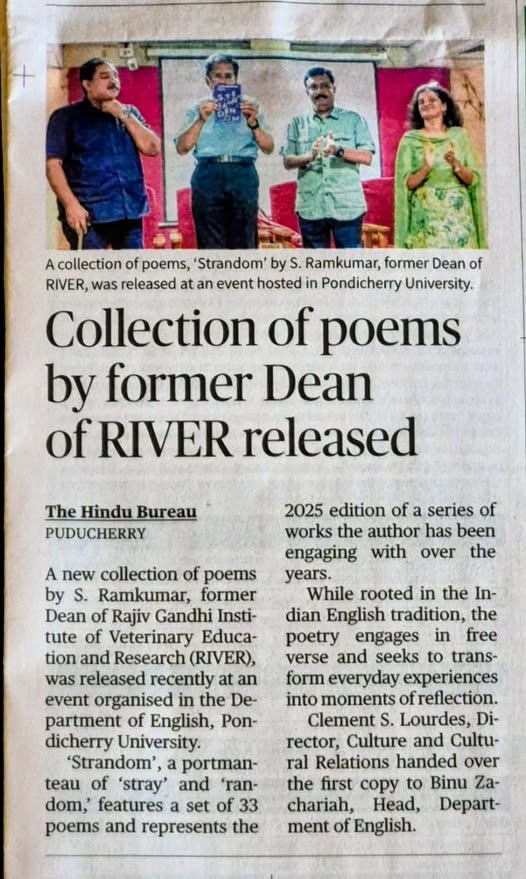
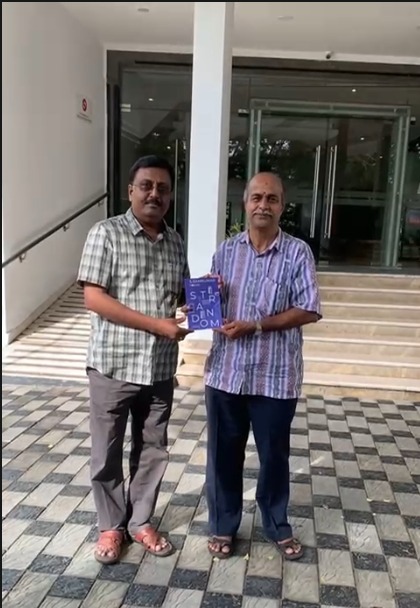
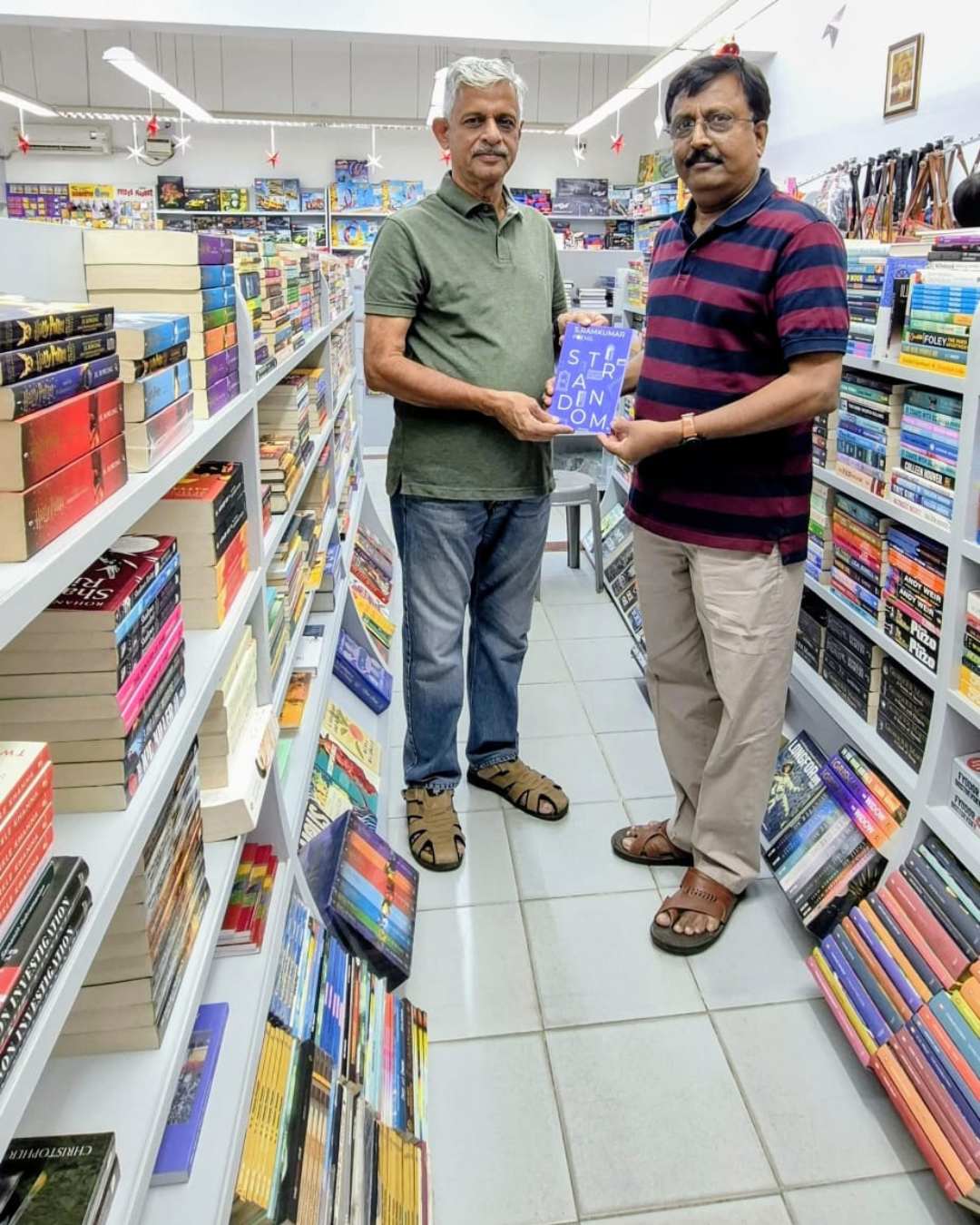
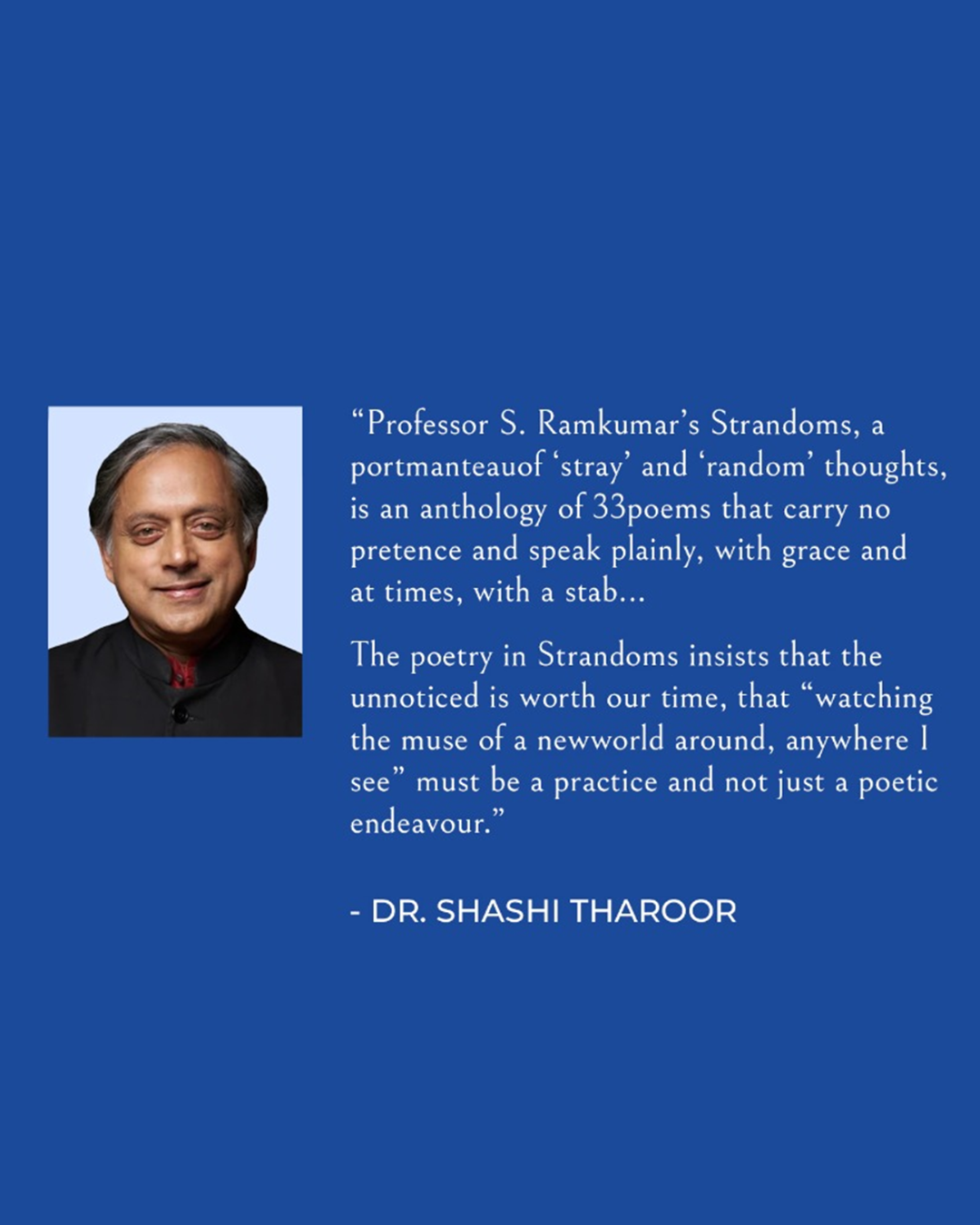
The year 2025 marked a significant literary milestone in my life with the release of my second book, “STRANDOM.Poems,” published by Notion Press Chennai. Now available on major platforms, the encouragement, thoughtful reviews, and heartfelt responses from readers have been profoundly humbling.

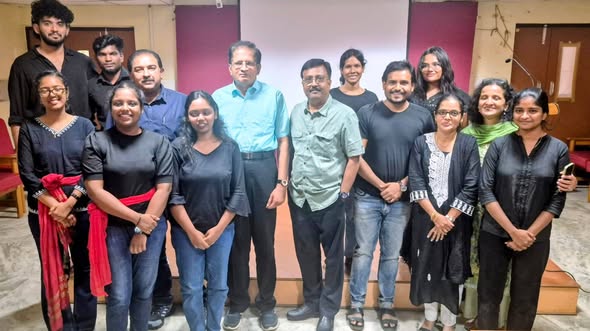
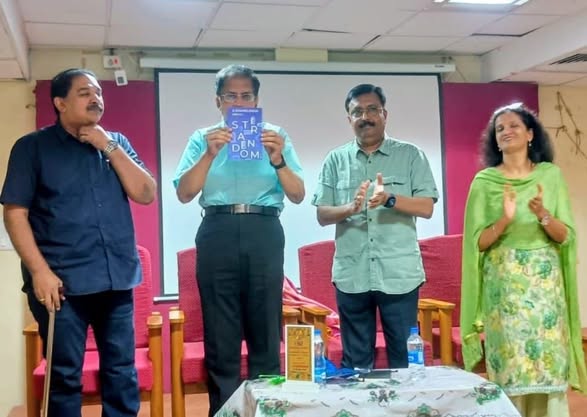
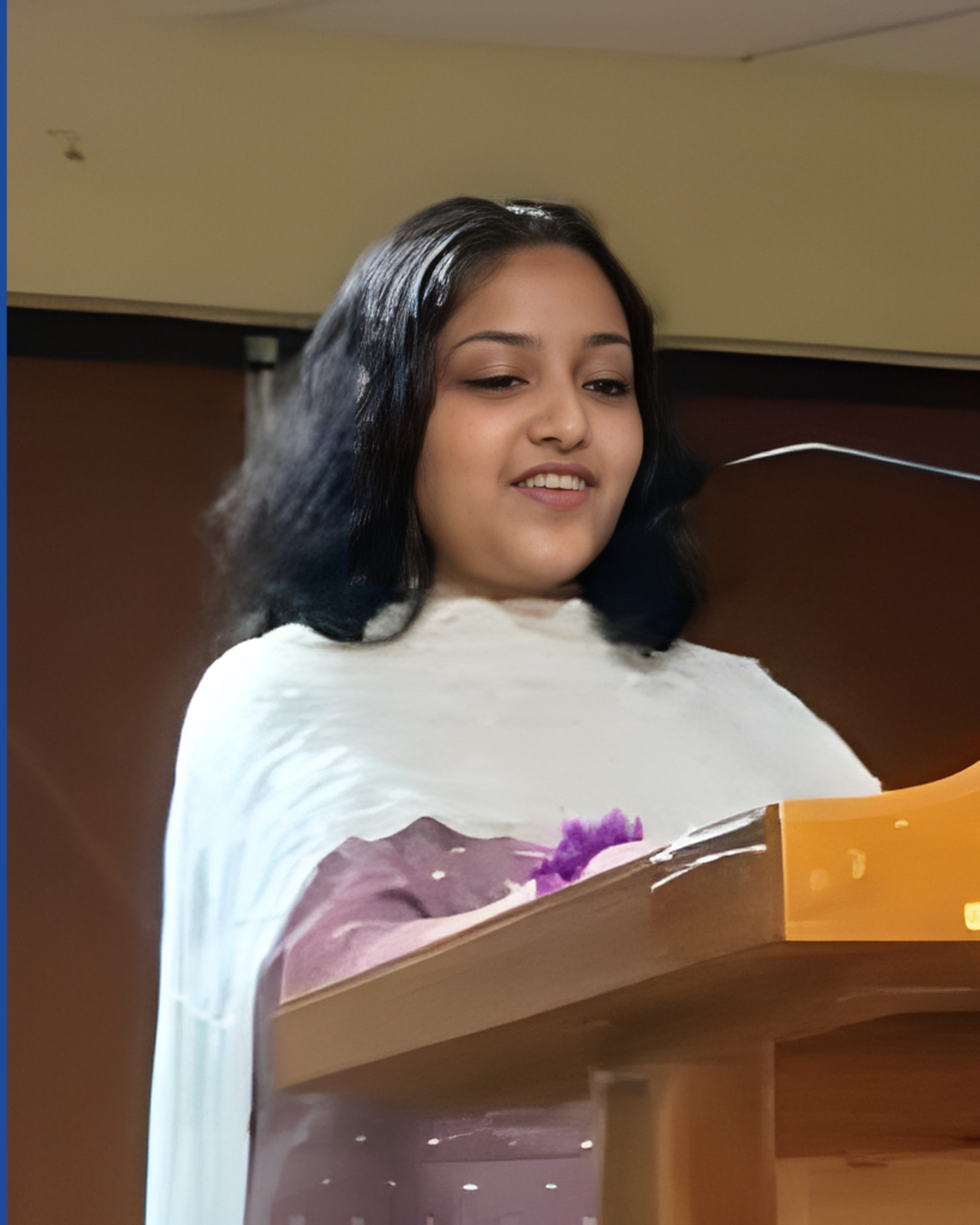
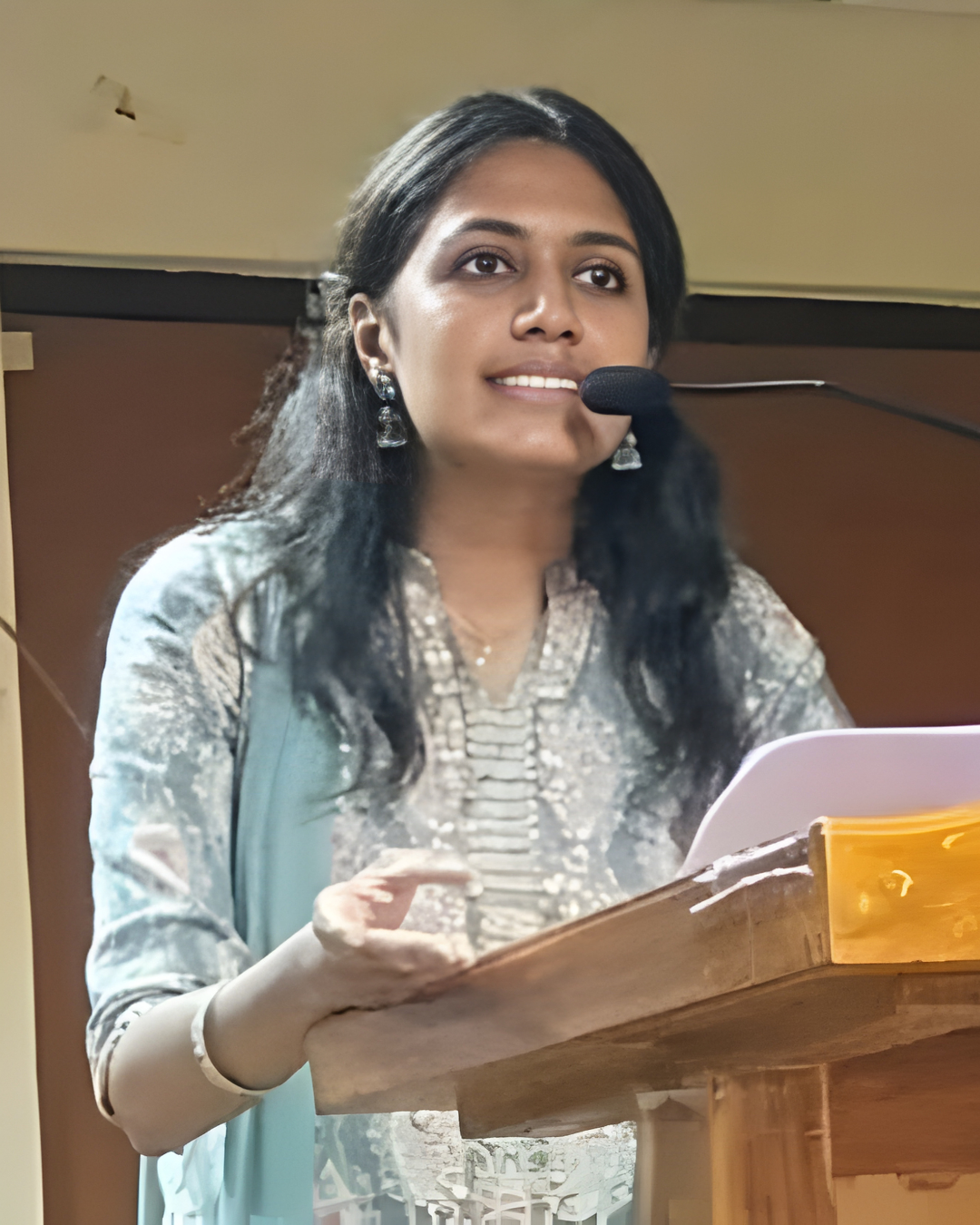
The official launch of the book took place during a memorable literary evening at the Department of English, Pondicherry University. The academic discussions surrounding “STRANDOM.Poems” were particularly gratifying, especially when students engaged deeply with the text. There’s an immense satisfaction that comes from witnessing readers discover their own meanings within the words you’ve crafted – it makes the entire creative journey feel incredibly exciting and encouraging.


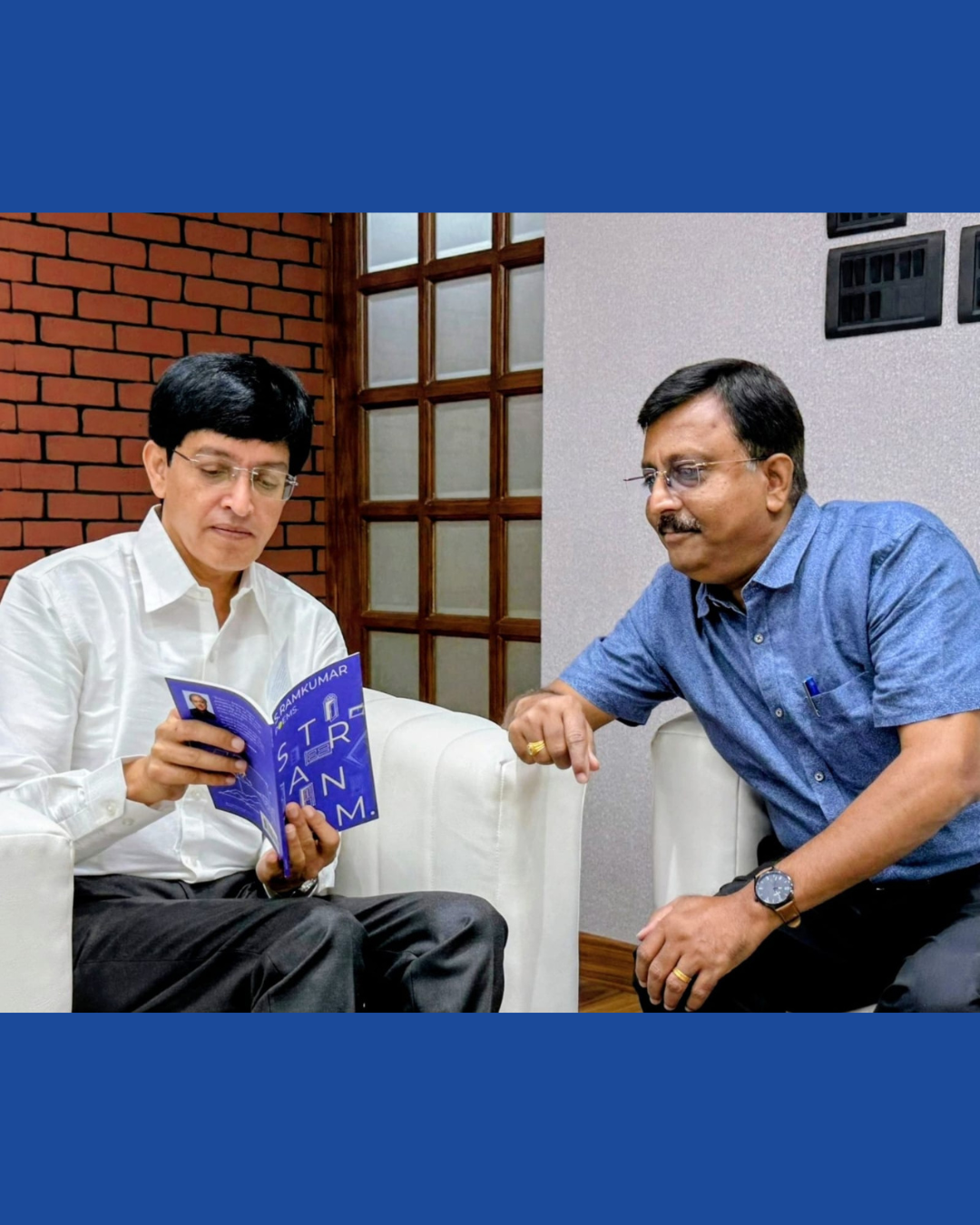
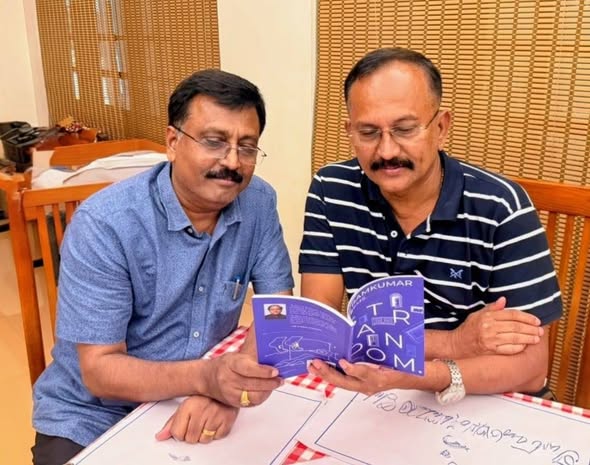
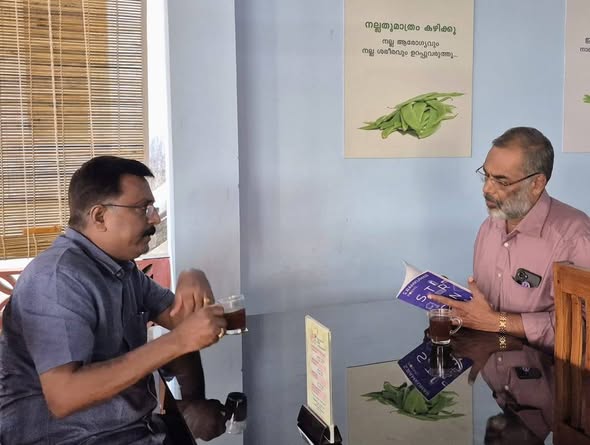
Moments of sharing the book

Moments of sharing the book with scholars, students, friends,  readers, dignitaries, and poetry lovers , were imbued with gratitude and grace. I’ve realized, once again, that poetry truly lives not just on pages, but in the intimate spaces of conversations and shared silences.

Education Beyond Classrooms: Nurturing Young Minds

One of the most satisfying chapters of 2025 was the opportunity to engage with educational institutions and the bright young minds within them. From bustling schools to esteemed universities, there’s a palpable shift towards real-life learning experiences.

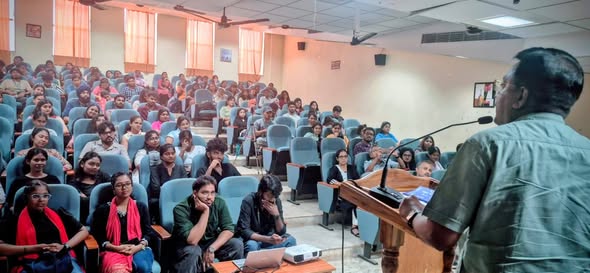
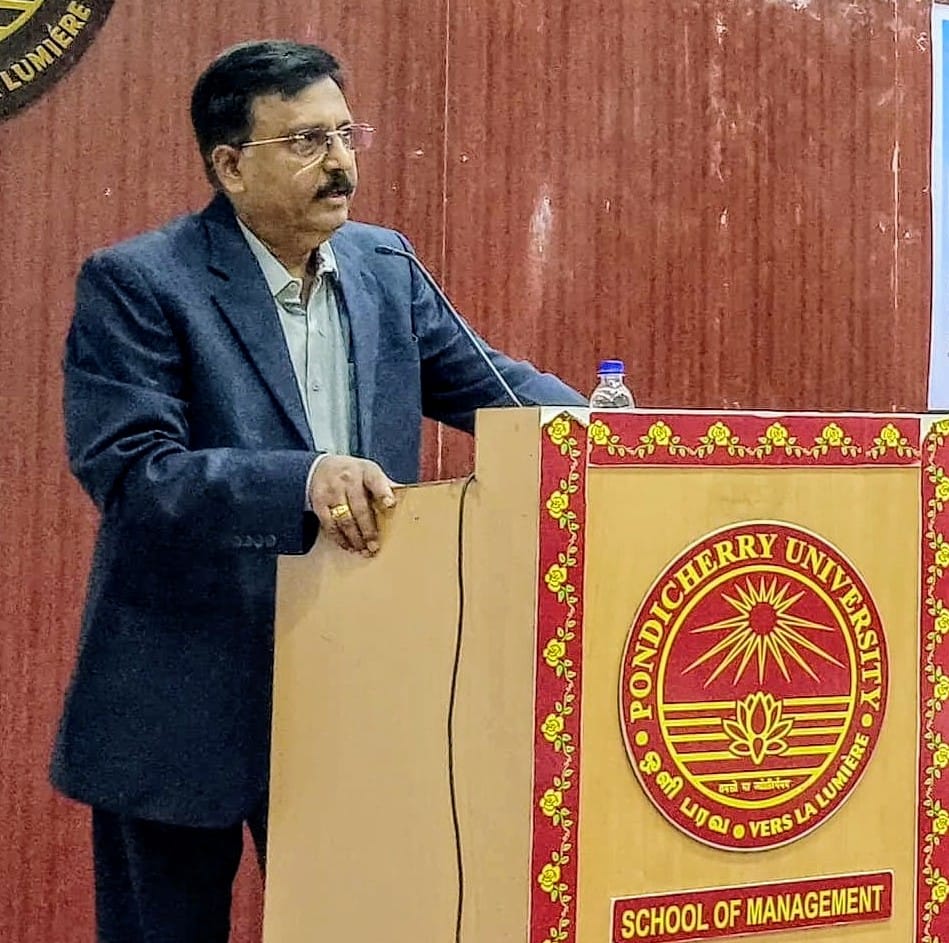
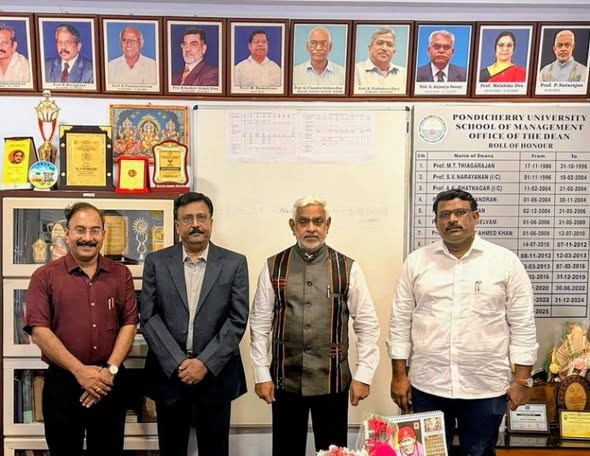
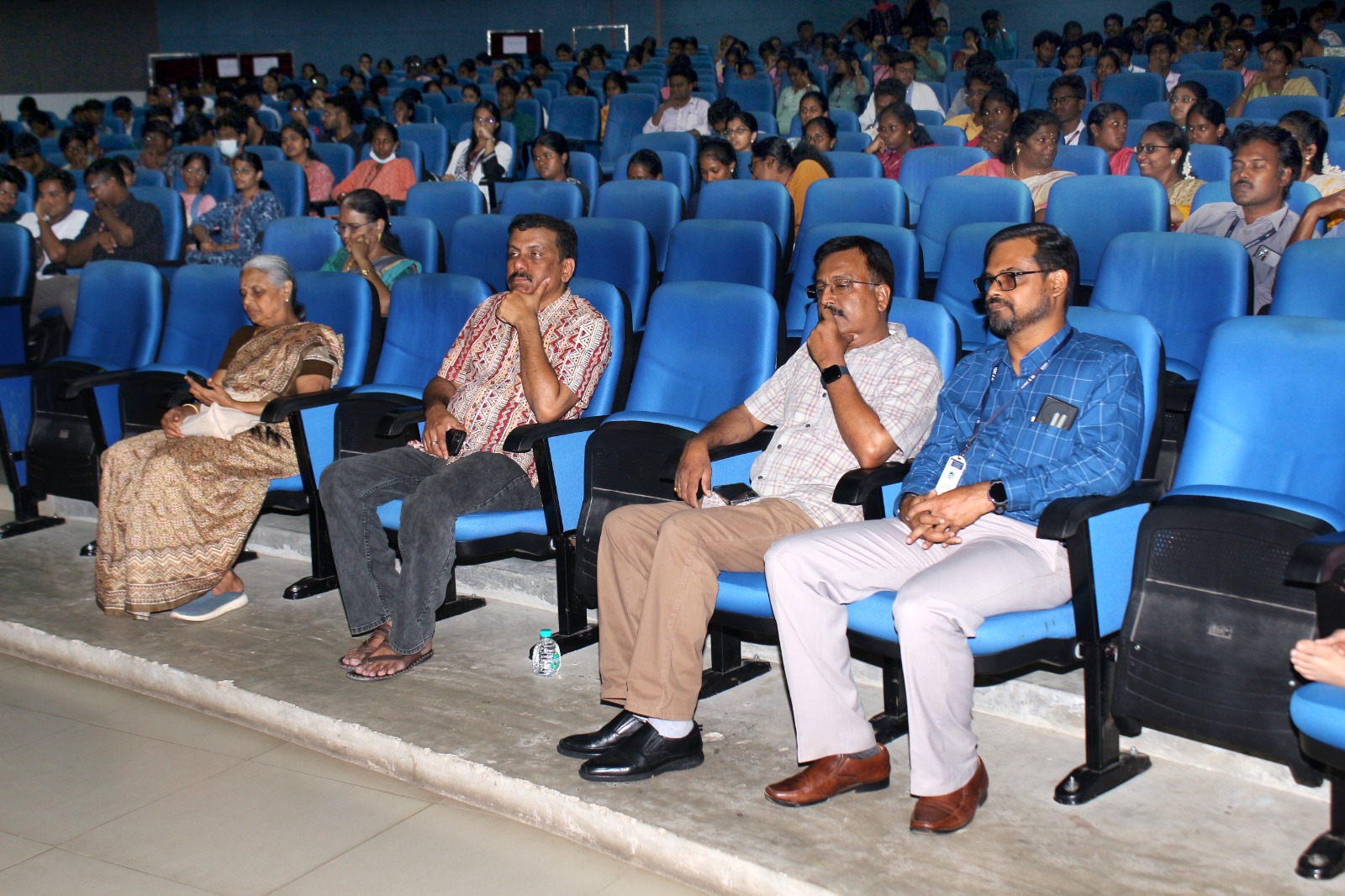
I had the privilege of addressing MBA students at Pondicherry Central University, alongside the esteemed Dean and Head of the Department. This was a wonderful opportunity to share insights on leadership, purpose, and the critical importance of lifelong learning. Such interactions are a powerful reminder that dialogue keeps education vibrant and relevant in an ever-changing world.

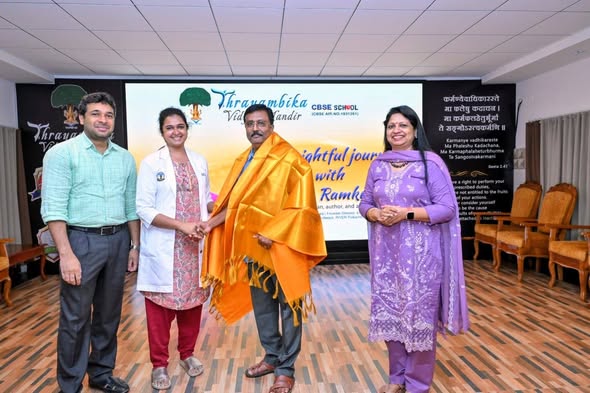
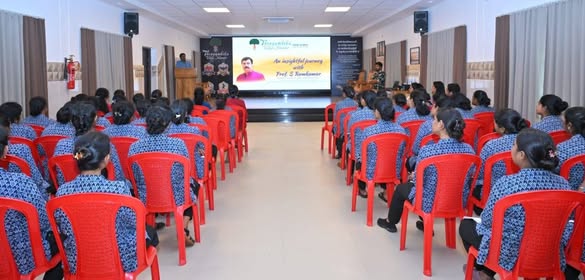
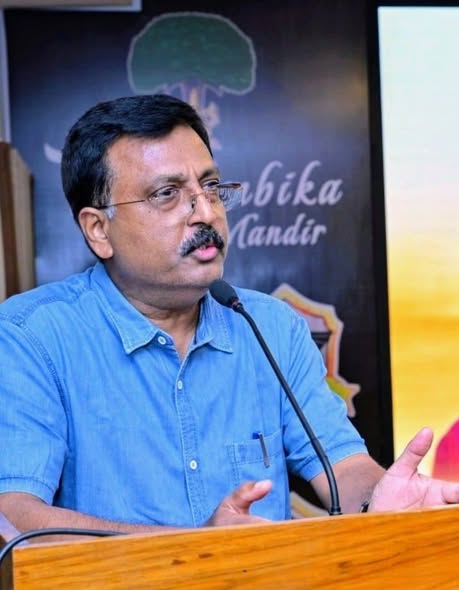
An enriching afternoon spent with the dedicated teachers of Thrayambika Vidya Mandir School in Kulasekharam, Tamil Nadu, reaffirmed my belief that modern education transcends mere instruction. It’s about truly understanding learners, fostering their individuality, and equipping them for life beyond the confines of textbooks. Teachers, without a doubt, are the true architects of our future.

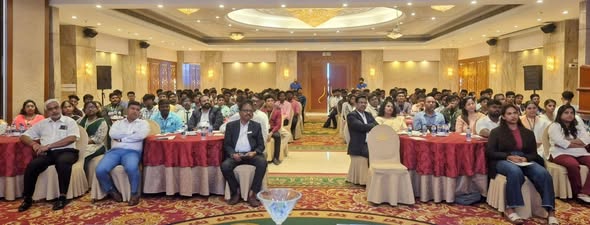
International Conference of IVEF @ chennai

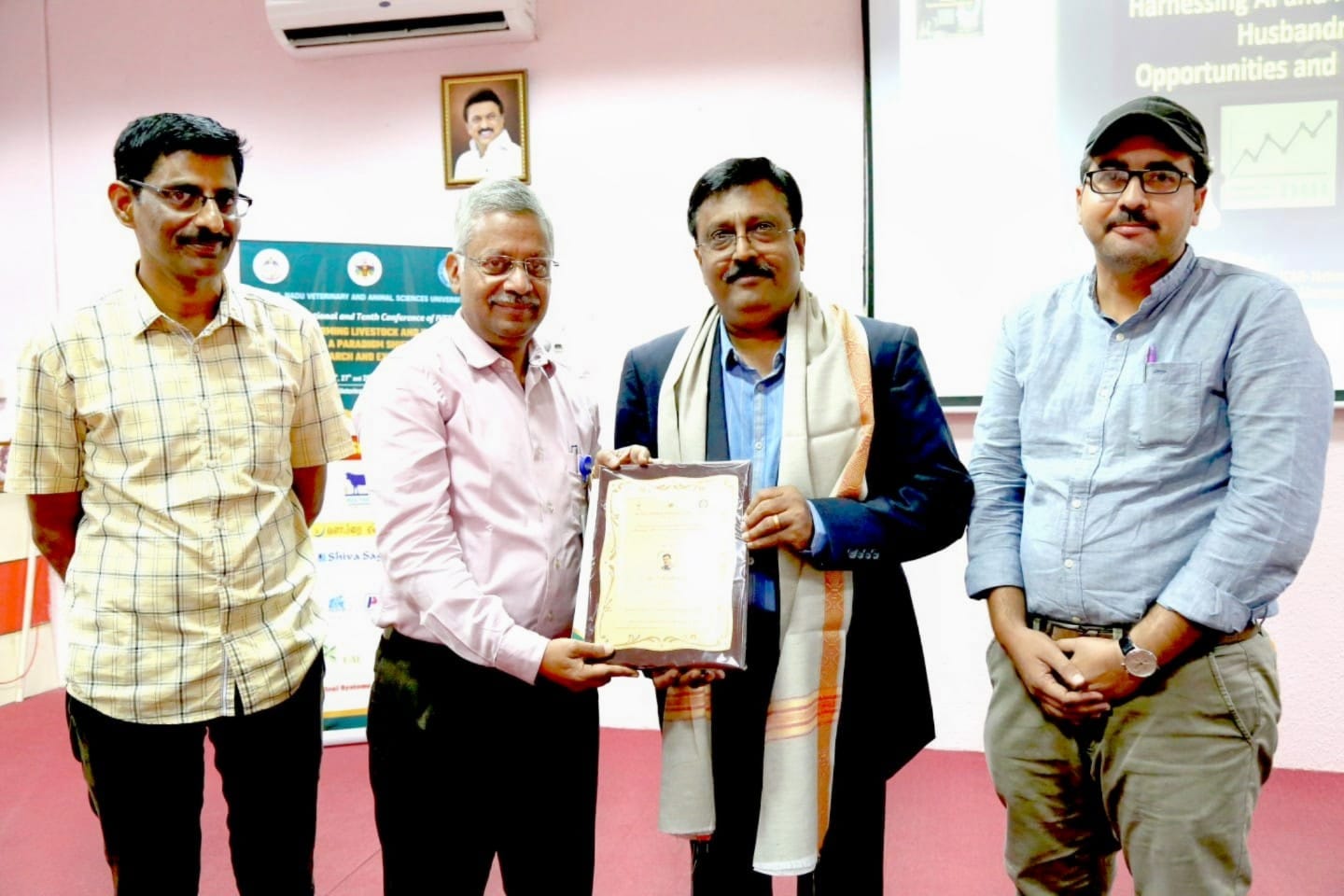
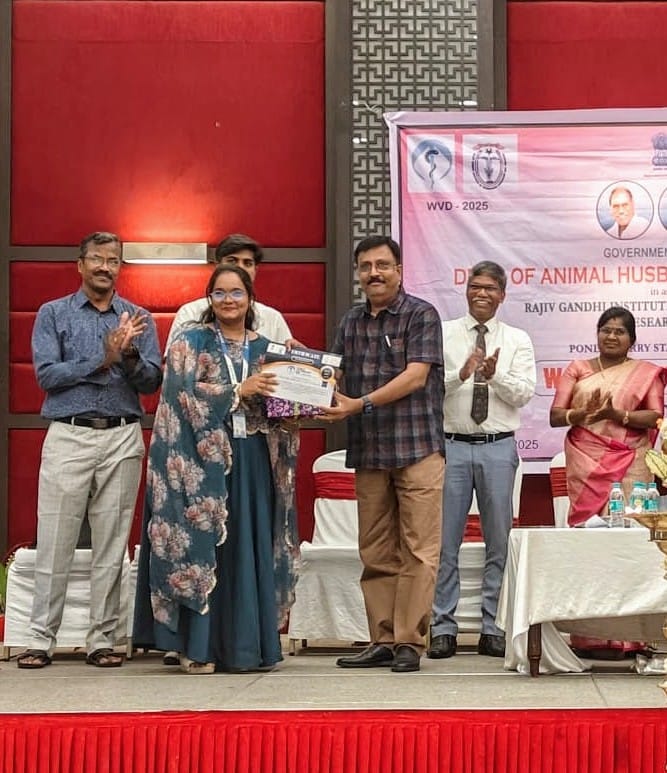
Achievement Award from AHD Govt. of Puducherry

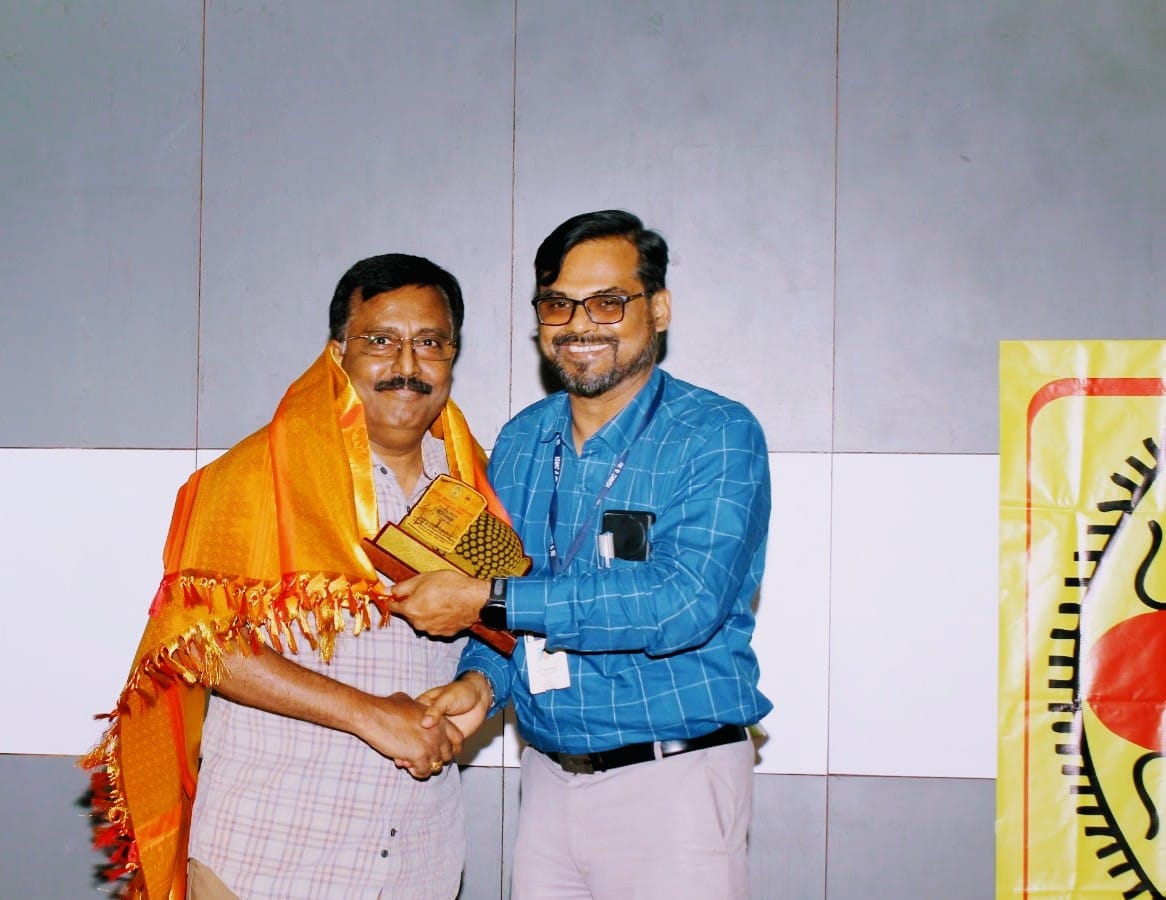
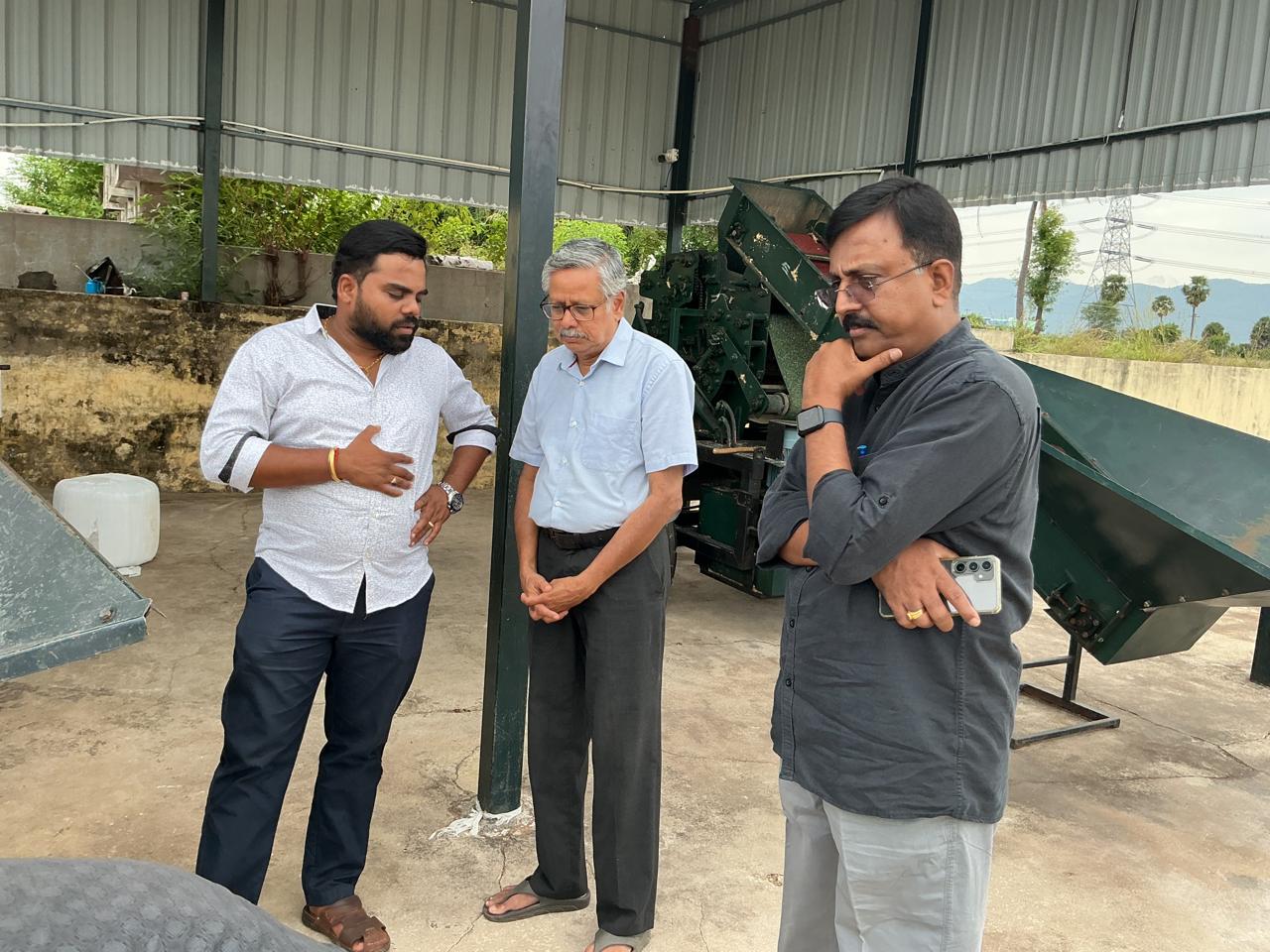
Thankful in receiving the Achievement Award from the Department of Animal Husbandry, Government of Puducherry, alongside my esteemed professional colleagues.

Inaugurating the CII–EATON “Garnishing Talent Programme”

Proud to be part of this initiative for college students from Puducherry and Pondicherry University.
Photos from the programme showcased energy, mentorship, and empowerment.

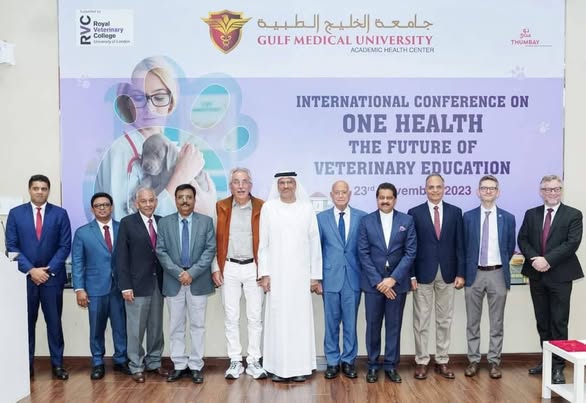
A Proud Moment in Sharjah

Grand opening of the Thumbay Veterinary Clinic — a milestone in veterinary care and education.
Honoured to join hands with Gulf  Medical University with a dedicated team and initiate a new era in veterinary education

From Students to Professionals: Journeys of Growth

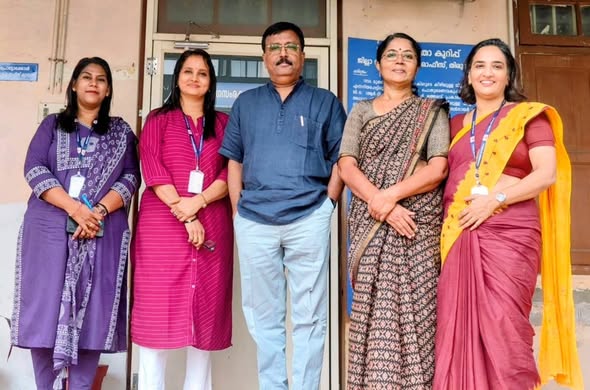
There are moments when time seems to fold back on itself, offering a glimpse into the past and present simultaneously. Meeting former students, now confident and accomplished professionals, at the Kerala Indian Veterinary Association initiative and other professional gatherings was deeply moving.

Witnessing their journeys, from the vibrant classrooms to their impactful roles in the professional world, stands as a quiet testament to growth, perseverance, and the boundless possibilities of innovation.

It was particularly inspiring to see initiatives like the Digital Veterinary Directory and the significant progress toward establishing new veterinary institutions within the Government of Kerala. These moments truly underscore the joy of seeing visions transform into tangible realities.

Cultural Spaces and Collective Memory

Playing a role in initiating the SPIC MACAY cultural launch

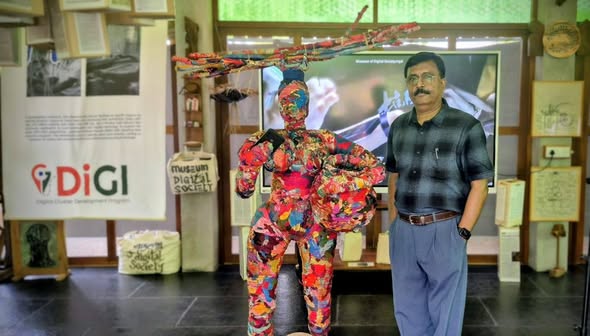
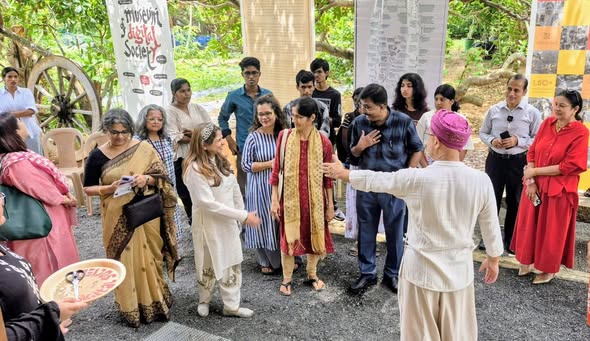
Museum of Digital Society

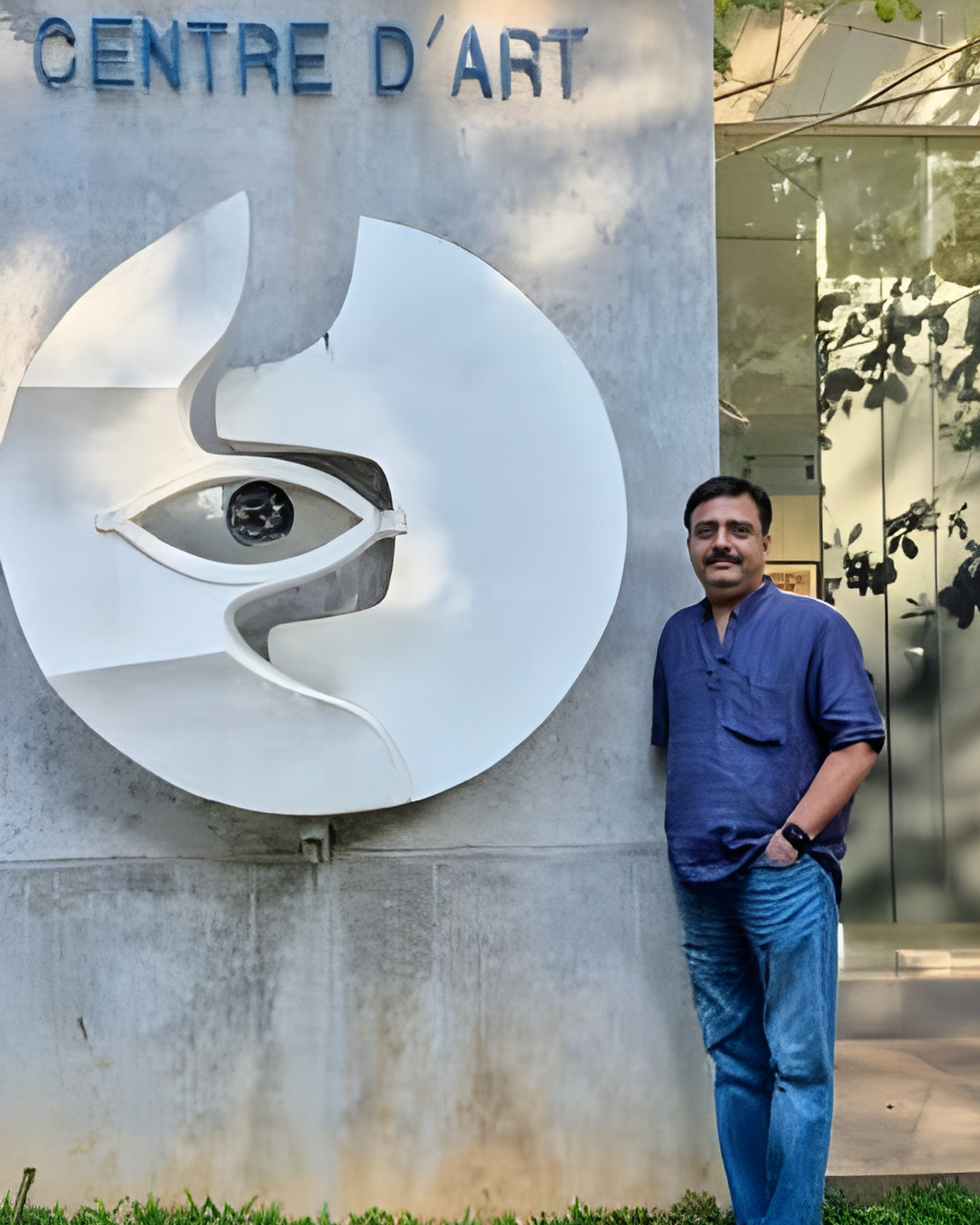
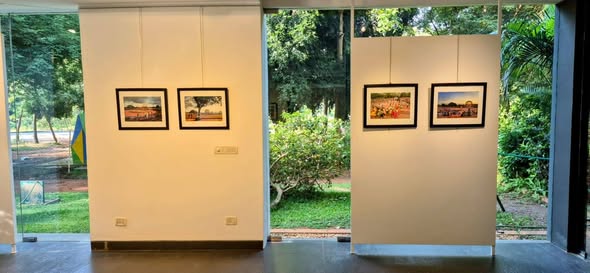
Visits and participation in vibrant cultural spaces, such as the Photo Exhibition at Auroville and the grand opening of India’s first Museum of Digital Society, offered profound moments of reflection. These experiences prompted contemplation on themes of time, memory, and the ever-evolving relationship between humanity and technology.

These moments served as a powerful reminder that progress and thoughtful reflection must always walk hand-in-hand. 

Art Exhibition at Auroville

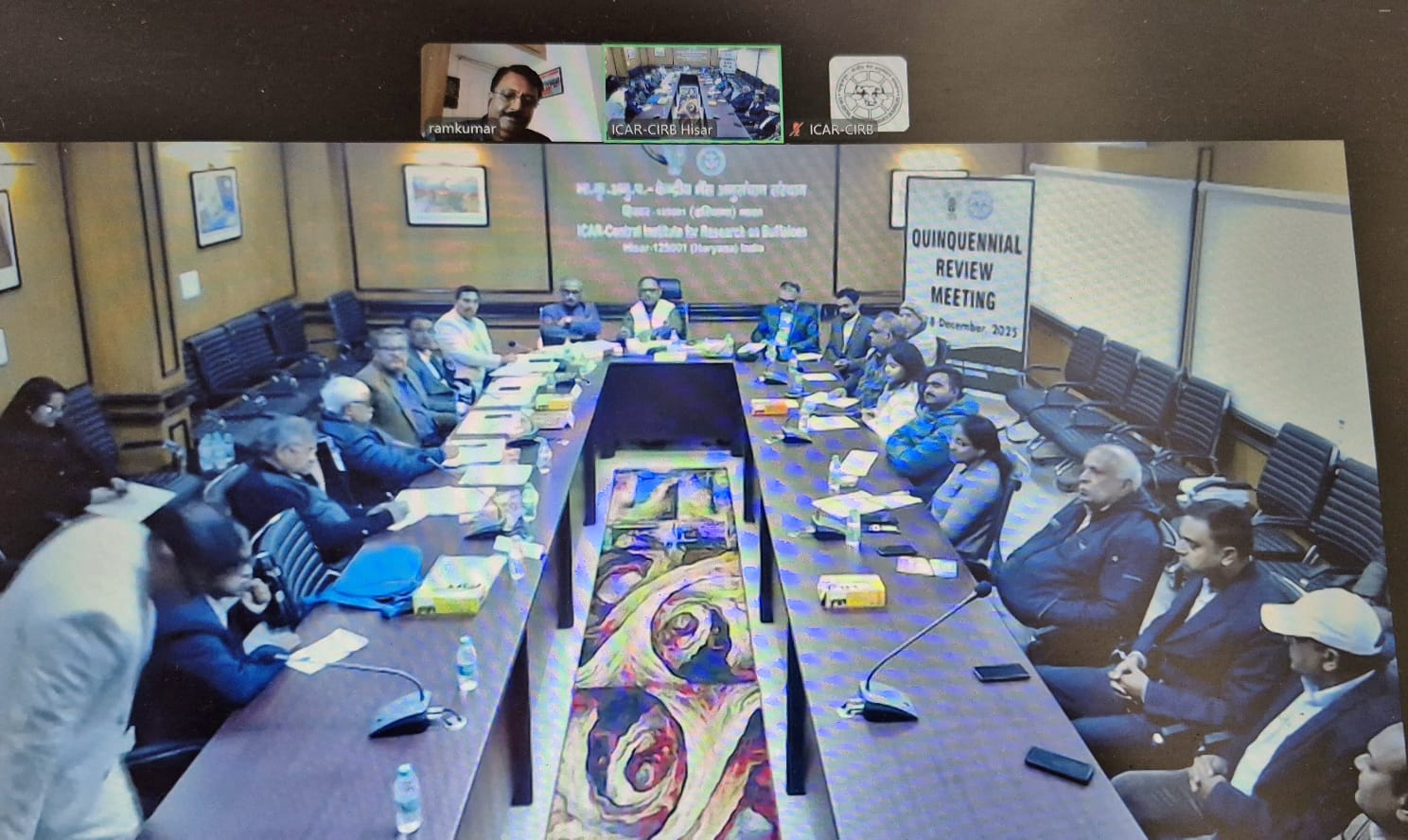
Participating as an expert member of the QRT Evaluation Committe of CIRG , ICAR

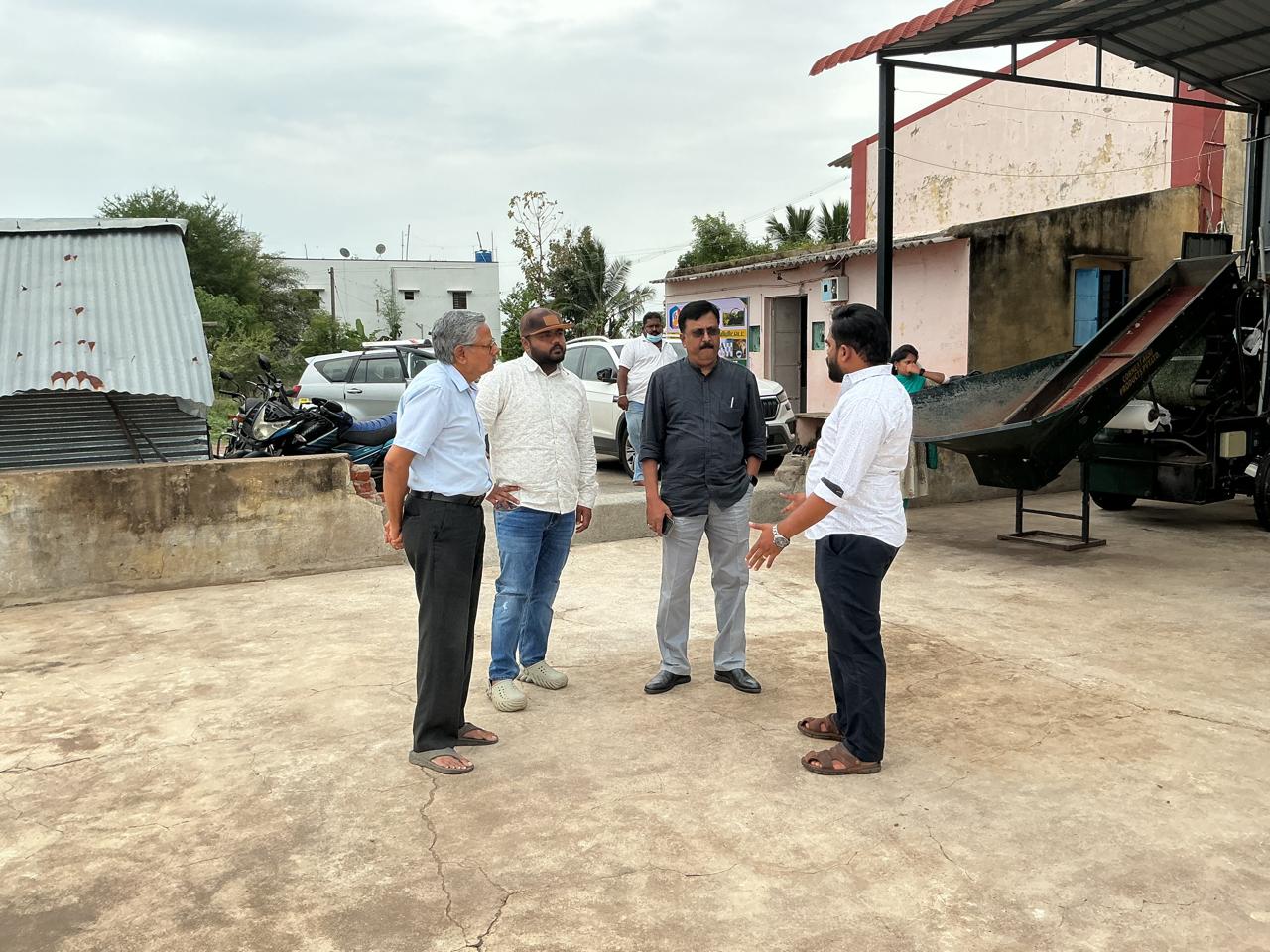
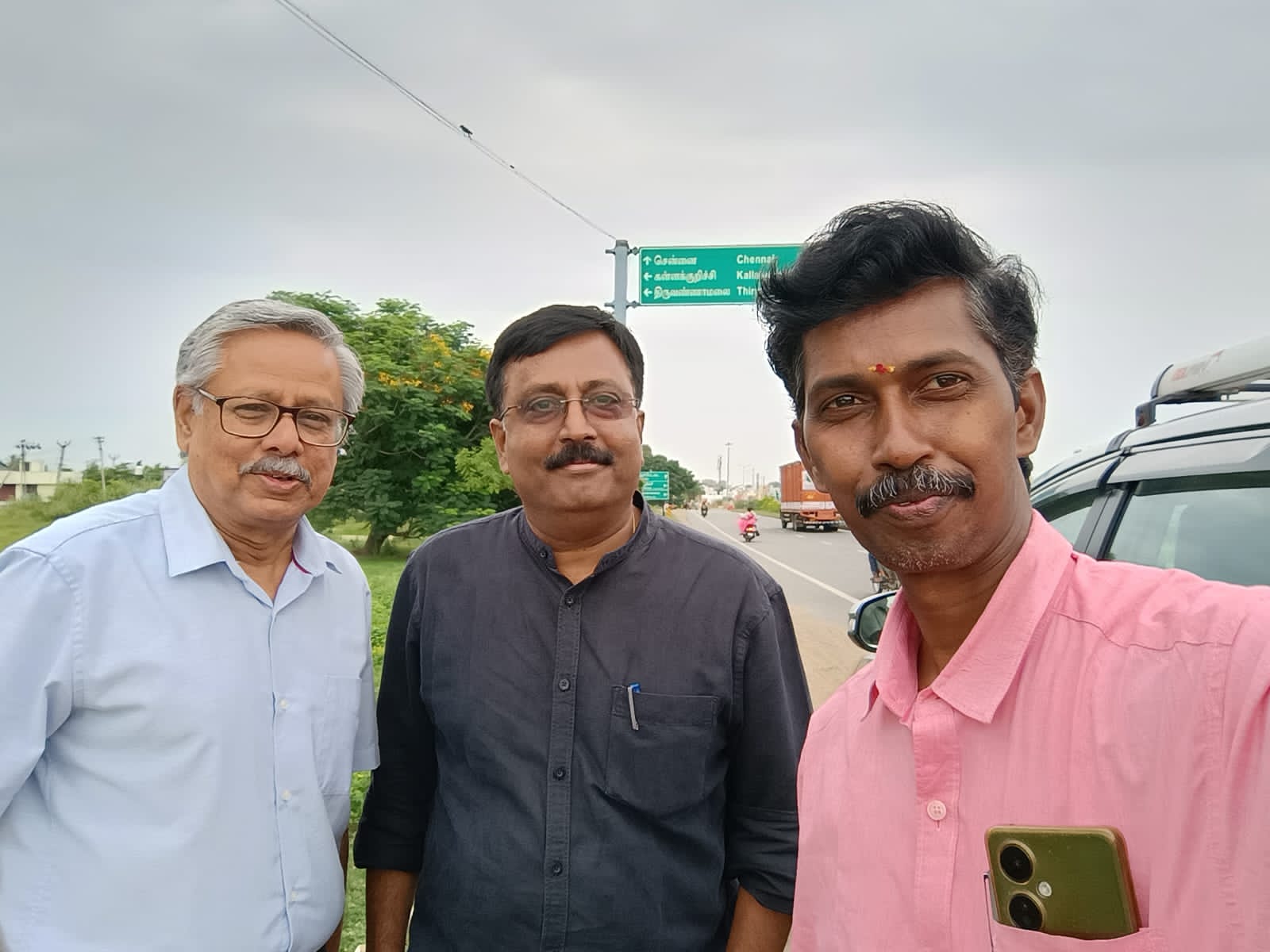
Formal field evaluation for Agricultural University of an innovation incubation at Kallakuruchi , Tamilnadu

1593-min

Techno sapiens: the evolution in 2020

STRANDOMS: the stray and random thoughts

January 1, 2020

Prof. S. Ramkumar

Techonology

Techno sapiens: the evolution in 2020

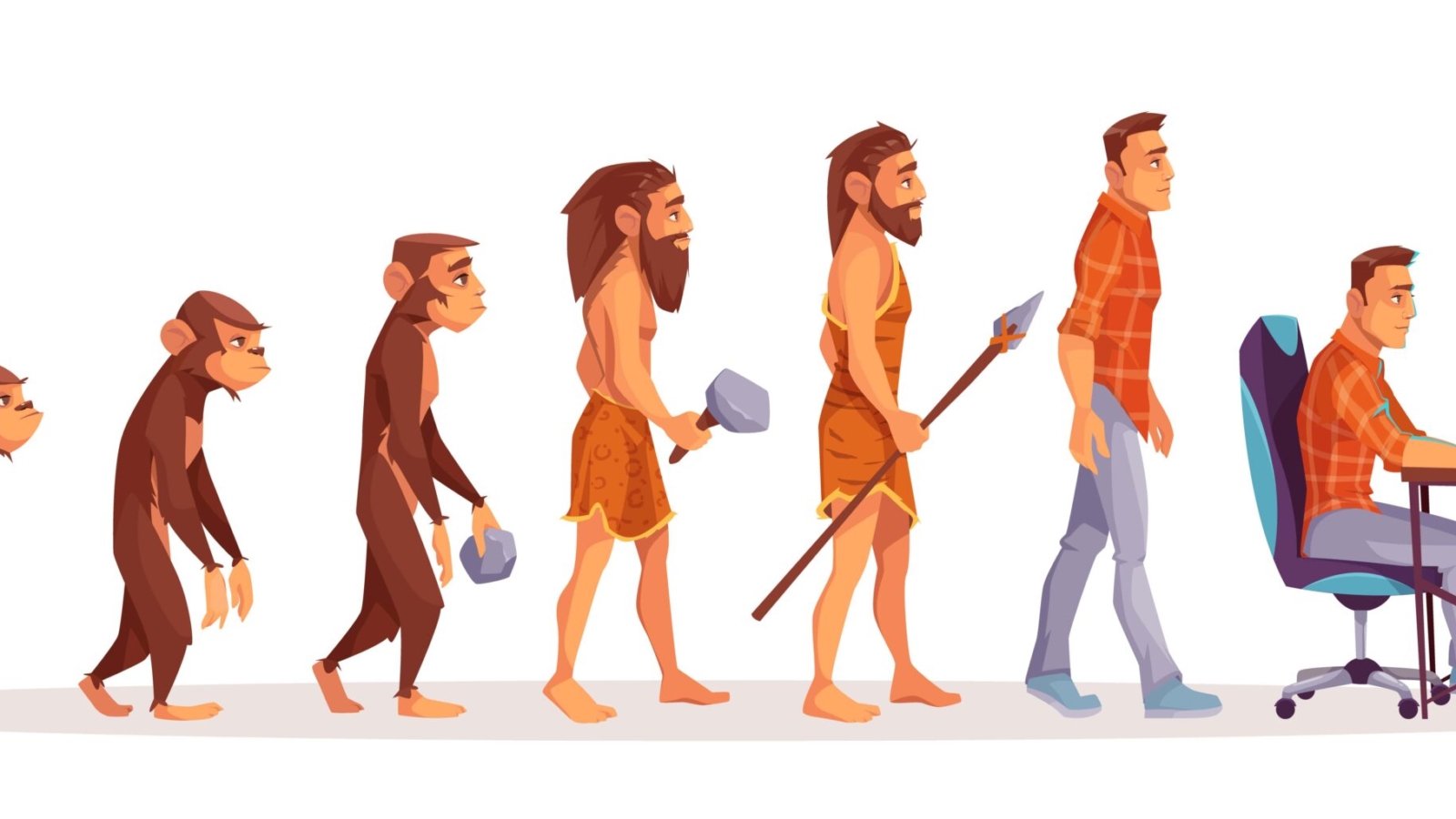
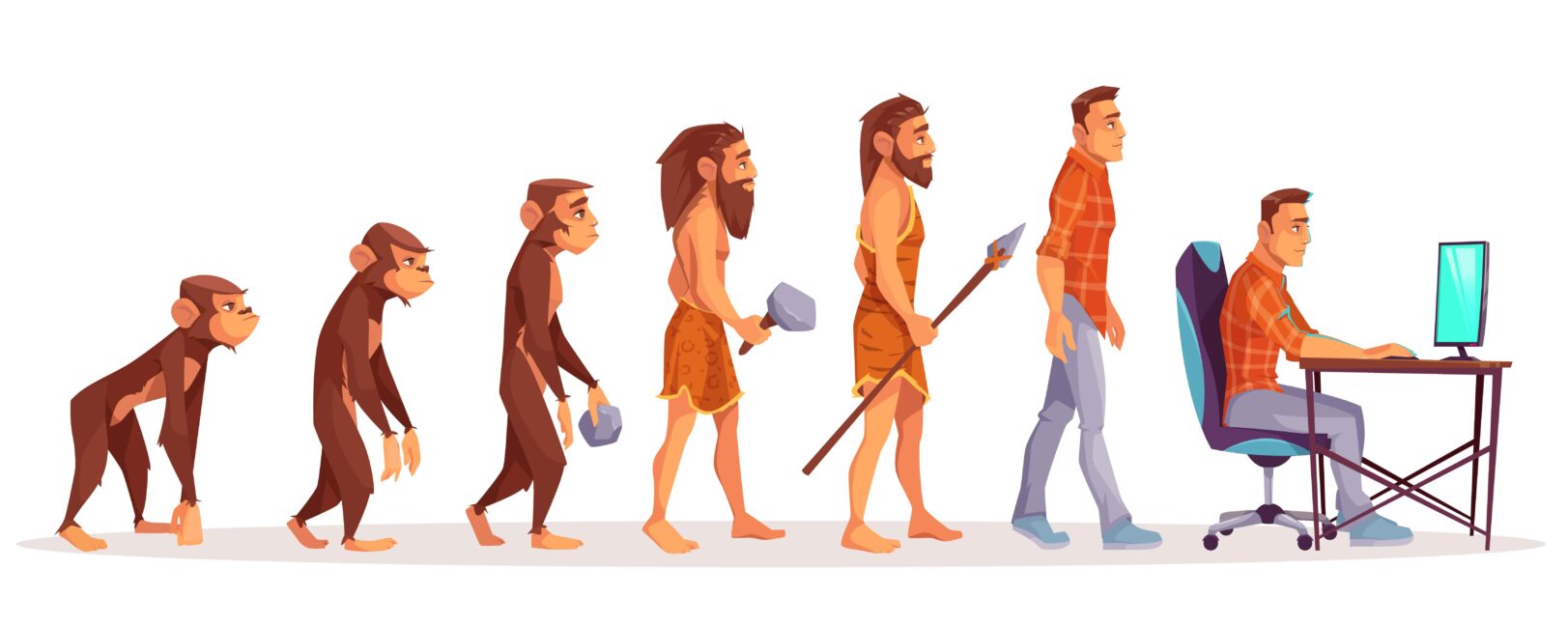
We are changing. Like it or not. The change is slow, but sure. The new dawn of the third decade of this century starts bringing in a lot of technology-dependent activities carried over from the last two decades of fast accelerating innovations. Probably by 2030 the “techno sapiens” transitioning from ‘homo sapiens” (Latin meaning “wise man” introduced in 1758 by Carl Linnaeus) are going to be more perceptible

The decade of 2020, I consider, is going to be turning point of this century. It’s a determining decade because

  1. By 2030 there will be a majority in the population who are “techno-literate” who will be leading the world activities.
  2. This decade is likely to be crucial on deciding the nature of the human beings (including transformation on anatomical peculiarities) for the remaining centuries.
  3. This decade starts deciding on how the humans of this decade – whether they are the young , born into the techno-vibrant era, or before that era – are going to be.

Some evident examples which “nurture” the Techno sapiens or “denature” the homo sapiens are mentioned below.

It’s a comparison of the Homo sapiens (what we were) Versus Techno sapiens (What we are, or going to be)

  1. “Passive forwarders” of messages and images – a compulsory (dis)order. Its connectivity irrespective of originality or creativity.
  2. Behavioral differences in eliciting responses in a normal communication (including irritability and callousness in active listening) which is sequel to the omnipresent technology.
  3. Paradox in “distance destroyed”: closer members living in physical proximity may be “too far” to see and listen Vs unknown friends living in corners of the globe who are connected and cared sans distance.
  4. “Camera philiac” and “selfie centric”
  5. Disconnecting with realities near around (like seeing stars in a sky) Vs Virtually connecting with far off (like seeing stars or universe from a computer in a cozy room).
  6. Indicators of virtual-world-life being invented more than the physical world.
  7. “Enquiring process” (enquiry mind, wisdom) Vs “instant information” (information-rich, knowledge)
  8. “Physical sports and games Vs technology games
  9. “Positioned instincts” Vs “Displaced instincts”

We can plot the evolution of the Techno sapien!

The changes mentioned will have influences in different fields of daily life: like health, education, agriculture, law, politics, and administration

Share