ramkumar blog post

NANO-FEELING

STRANDOMS: the stray and random thoughts

Mar 21 , 2026

S.RAMKUMAR

NANO-FEELING

I have experienced a tiny, instant spark, almost within a fraction of moment- nano – (like many of you, I’m sure)—yet it carries immense satisfaction and joy in a human being—something I call a nano-feeling.


What is a nano-feeling? It is a fleeting moment that arises when we achieve something significant—often unseen but deeply powerful—where your joy is born from another’s achievement, in which you played a role.


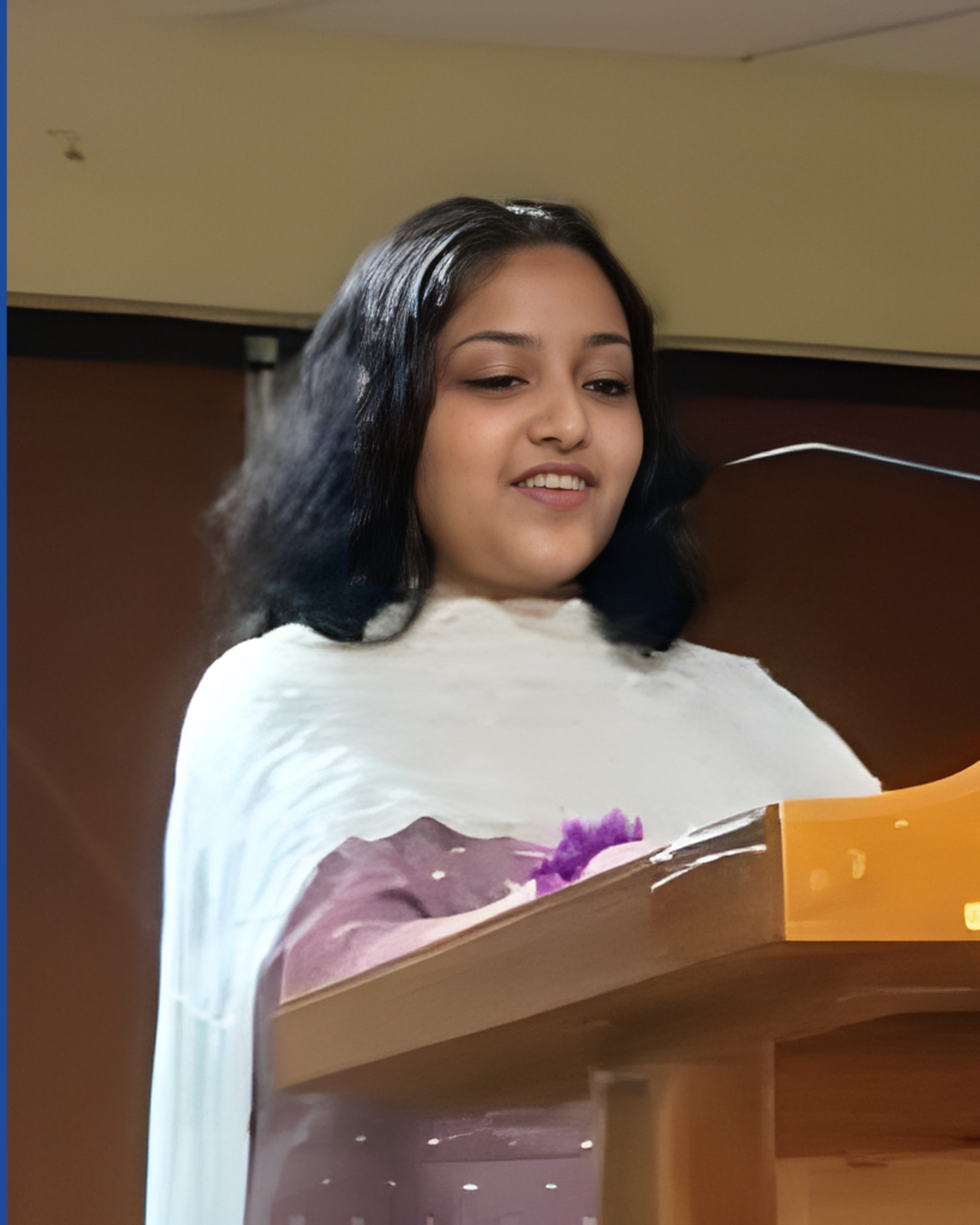
A brief example: After four decades in classrooms, my greatest joy lies in nano-feelings. In 1986, a quiet student sat in my class. In 2013, as I moderated an international workshop, I saw her leading a group—transformed. From a distance, a nano-feeling surged—a priceless joy, seeing a student thrive, knowing I had a part in her journey.


How do we cultivate nano-feelings for greater good? We can harness them in schools, workplaces, and organizations. By recognizing these small, powerful sparks, we boost motivation, inspire innovation, and enrich every journey—lifting the entire institution’s impact.

Share

Book Review: THE CREATIVE GENE

Book Review :
THE CREATIVE GENE
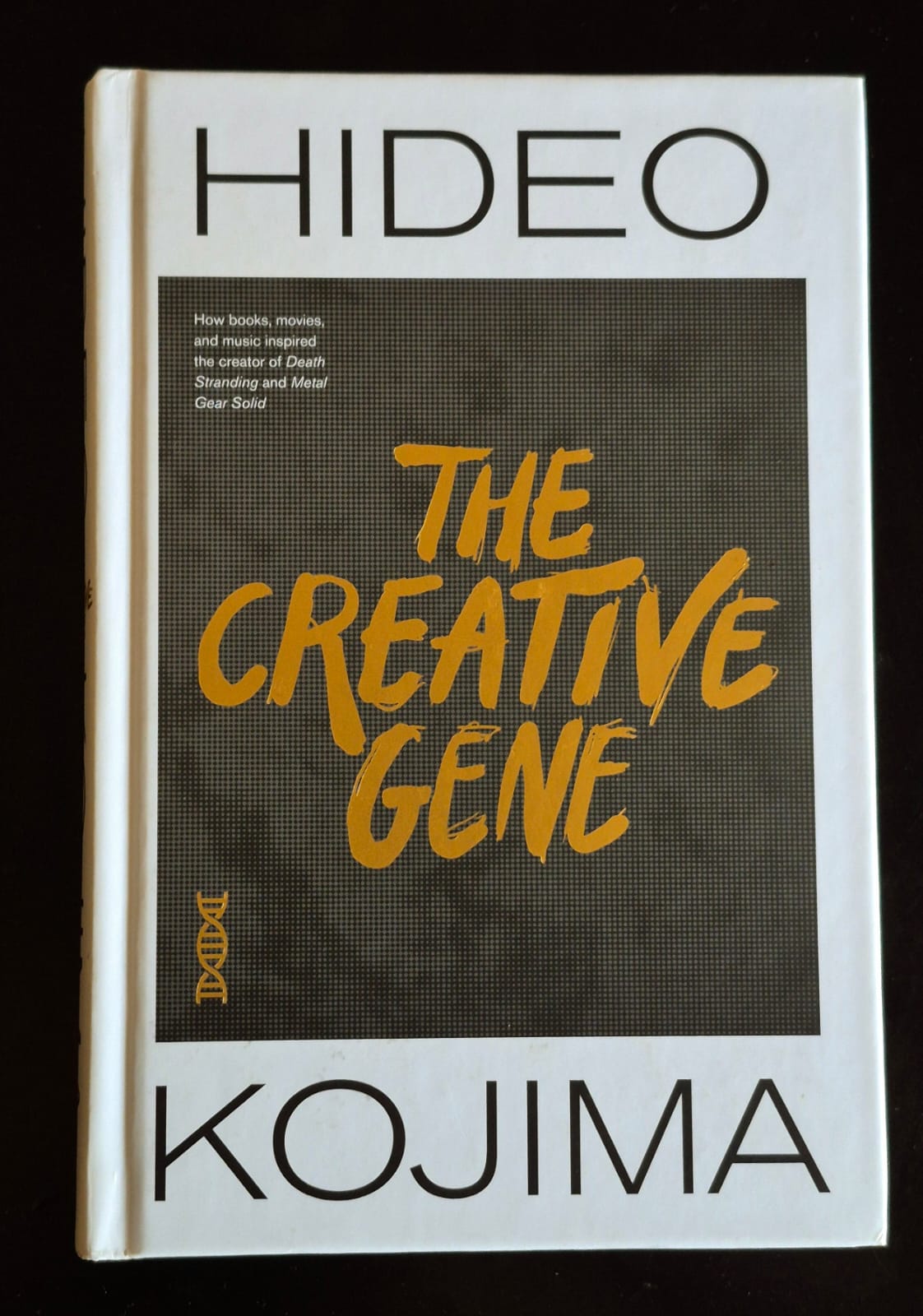
by Hideo Kojima

S. Ramkumar

JAN 27 , 2026

Game changer! How this book who is the creator of the iconic video games Metal Gear Solid and Death Stranding changed my outlook on videogames !

Are Games the Problem? An Educator Reads The Creative Gene

_______________

S. Ramkumar

Are video and digital games really all that bad? Parents and teachers often express concern about the amount of time children and students spend playing games on computers or mobile phones—frequently at the expense of their studies. As a teacher, and later as an administrator in colleges and universities, I have witnessed this concern firsthand. In a few instances, students have indeed seen their academic performance suffer due to excessive gaming.

The Creative Gene by Hideo Kojima—creator of the iconic video games Metal Gear Solid and Death Stranding—offers a refreshing and thoughtful perspective on this widely debated issue. Though published in 2013, the book holds even greater relevance today. Importantly, this is not a guide to creating video games. Instead, it is a collection of short, reflective essays on the books, places, people, films, and events that shaped Kojima’s creative life and, indirectly, the worlds he built through his games. Central to his thinking is the enduring connection we have with books and the way ideas continue to influence us long after we first encounter them.

Until reading this book, I too shared the common belief that digital games were necessarily of limited educational value. Kojima’s essays—each revealing a fragment of his intellectual and emotional journey—prompted me to reconsider that assumption. He demonstrates how well-designed games can nurture essential capacities needed in the digital age: creativity, problem-solving, analytical thinking, imagination, and narrative understanding. The real challenge for parents and educators, as the book subtly suggests, lies in distinguishing meaningful engagement from mindless consumption—an increasingly difficult task in the presence of a widening generational gap.

In the introduction, titled “Memes Are What Connect Us,” Kojima articulates his core belief: “A world without books is inconceivable.” Drawing an analogy between genes and memes, he explains that while genes are passed biologically, memes—ideas, emotions, and ways of seeing—are transmitted through books, films, and shared cultural experiences. These memes, he argues, form invisible threads that connect individuals across time and space.

The book is divided into two parts: Part One, “My Lovable Memes,” and Part Two, “Things I Liked at a Certain Time or Place.” Across these sections, Kojima reflects on the influences that shaped his worldview, noting that “the memes these stories communicated to me provided the energy I used to create, and to live.” These accumulated influences find powerful expression in his groundbreaking video games, which are known for their narrative depth, philosophical layers, and emotional complexity.

By showing how inspiration can come from anything one reads, sees, or hears, Kojima reframes video games not as mere entertainment, but as complex creative systems rooted in storytelling and human experience. The challenges within such games demand thought, interpretation, and imagination, making them intellectually engaging rather than passively consuming.

The Creative Gene is ultimately more than a personal archive of inspiration. It is an invitation to rethink our assumptions about games, learning, and creativity. The book challenges the notion that games themselves are the problem, suggesting instead that it is the type of games and the lack of balance that lead to addiction and neglect of responsibility. Thoughtfully designed and responsibly engaged with, games—like books—can become powerful tools for intellectual and creative growth.

A Note for Parents and Teachers: S. Ramkumar

Rather than asking whether games are good or bad, we may need to ask which games our children engage with and how they engage with them. Just as books vary in depth and value, so do games. Guidance, dialogue, and balance are essential. When adults take time to understand the digital worlds children inhabit, games can become opportunities for learning, creativity, and connection—rather than causes for concern.

RK’s 2025: “to look back is to see Forward”

RK's 2025: to look back is to see Forward

S. Ramkumar

The year 2025 has been a remarkable journey, woven with threads of meaningful connections, quiet triumphs, and moments of pure bliss.  As we bid farewell to this final year of the millennial quarter,  what truly stands out are not just the milestones, but the people, places, conversations, and shared spaces that shaped them.

2025 : The year of STRANDOM.poems

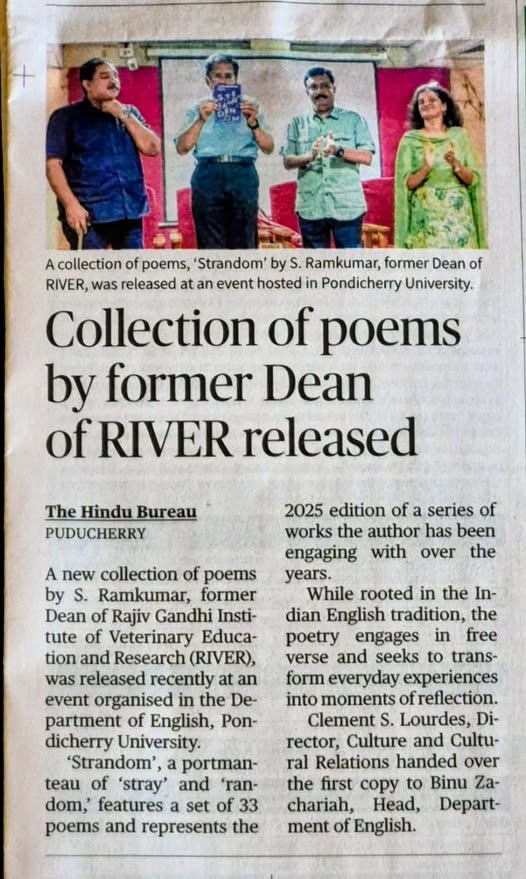
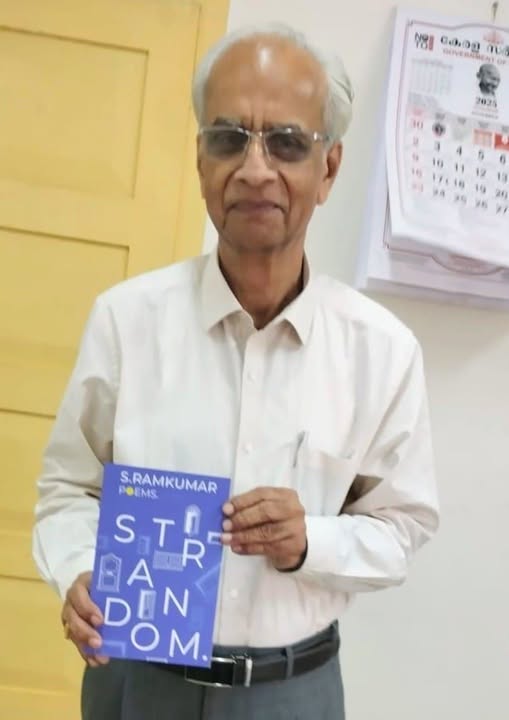
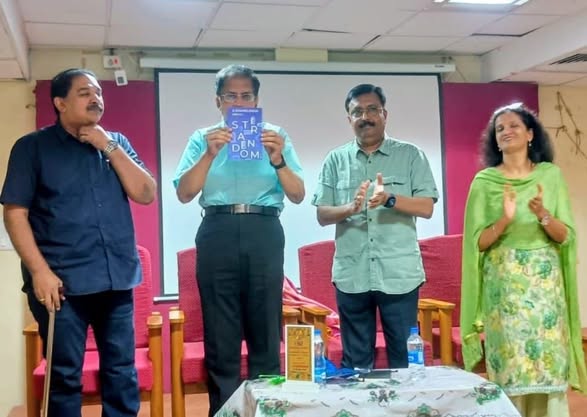
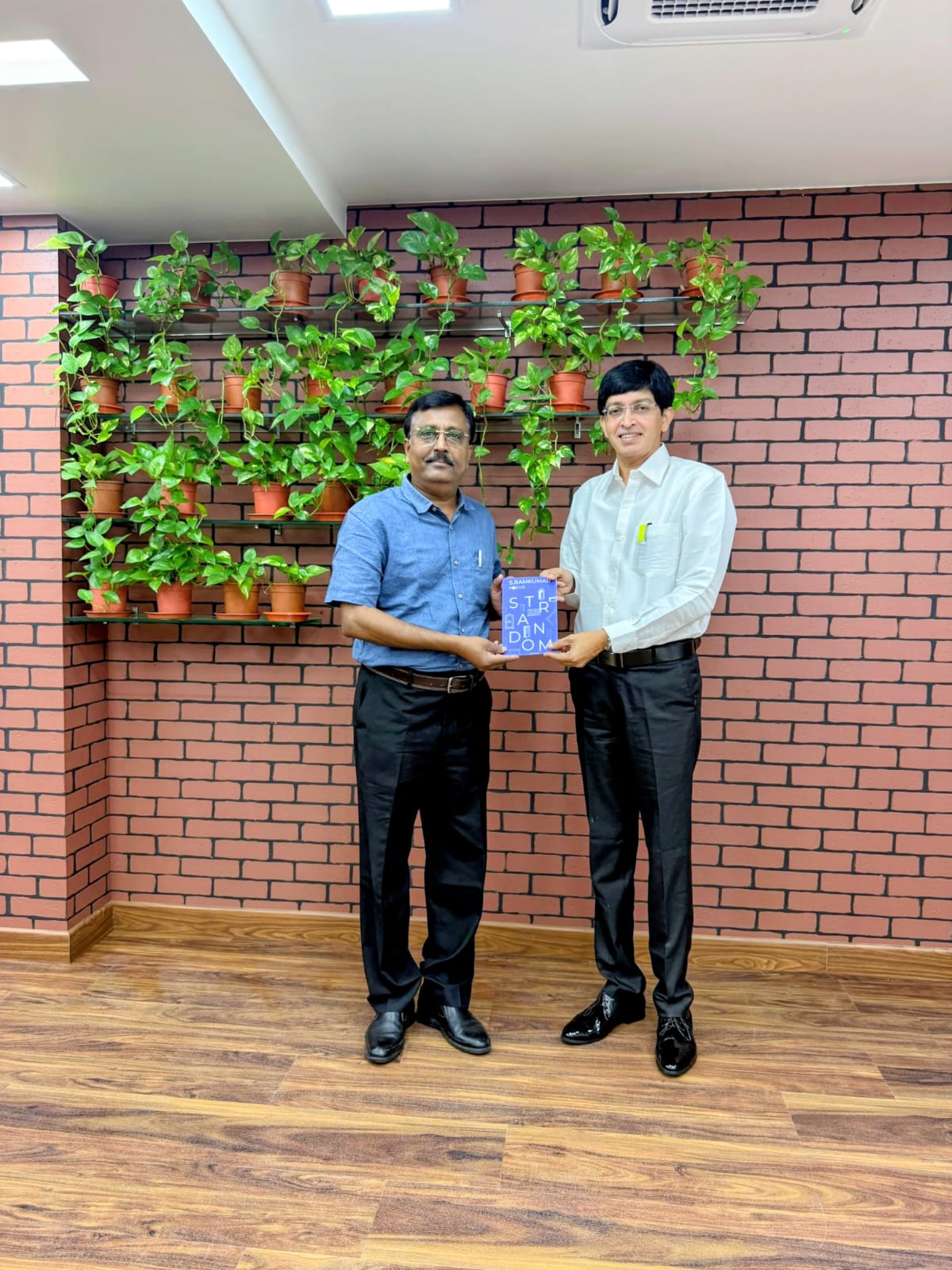
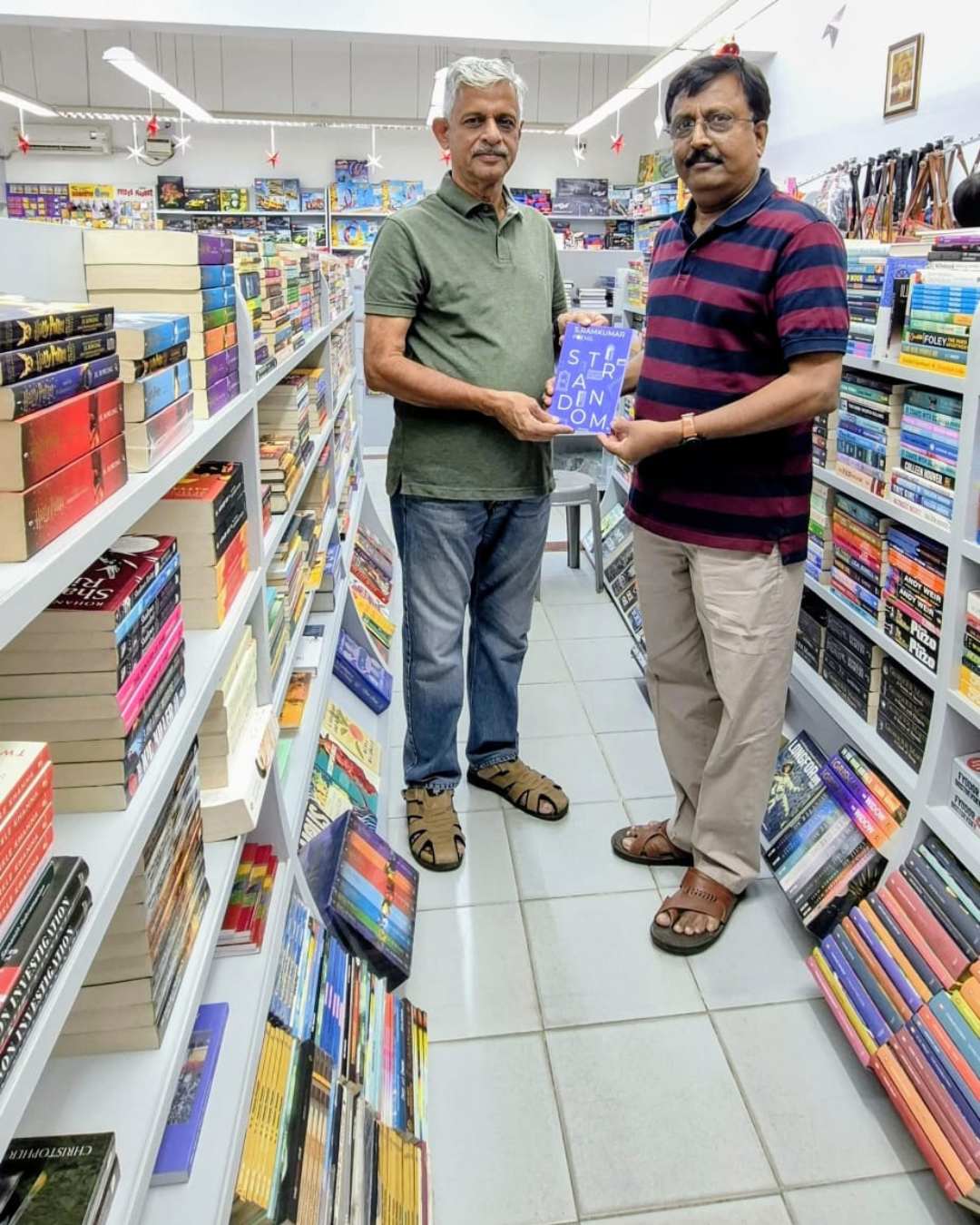
The year 2025 marked a significant literary milestone in my life with the release of my second book, “STRANDOM.Poems,” published by Notion Press Chennai. Now available on major platforms, the encouragement, thoughtful reviews, and heartfelt responses from readers have been profoundly humbling.

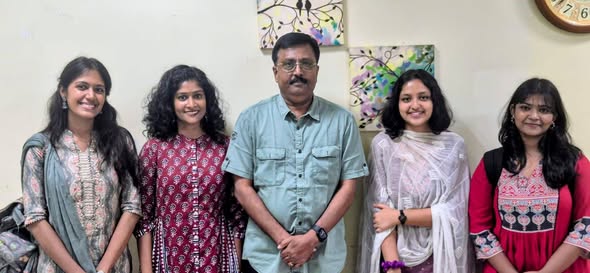
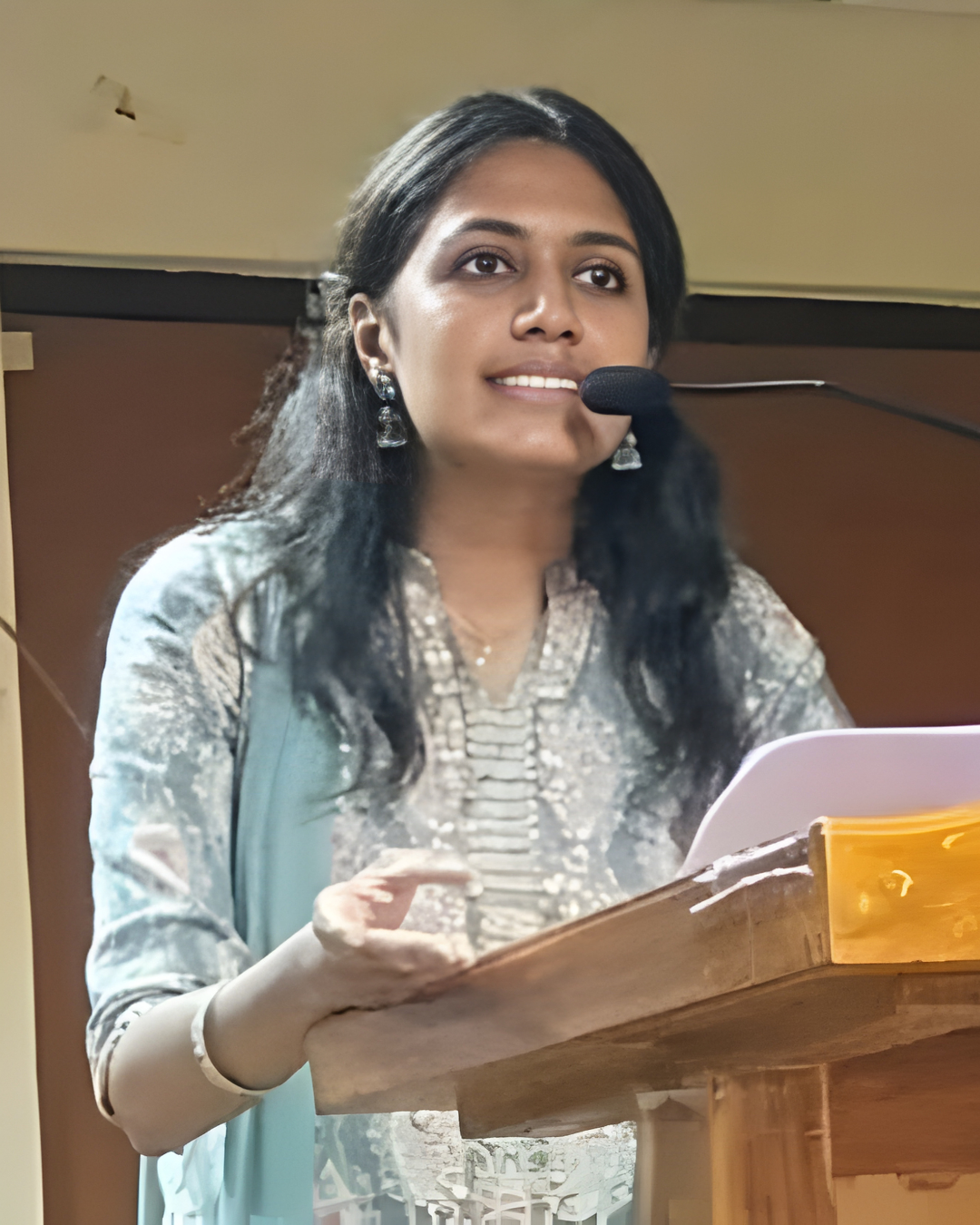
The official launch of the book took place during a memorable literary evening at the Department of English, Pondicherry University. The academic discussions surrounding “STRANDOM.Poems” were particularly gratifying, especially when students engaged deeply with the text. There’s an immense satisfaction that comes from witnessing readers discover their own meanings within the words you’ve crafted – it makes the entire creative journey feel incredibly exciting and encouraging.


Moments of sharing the book

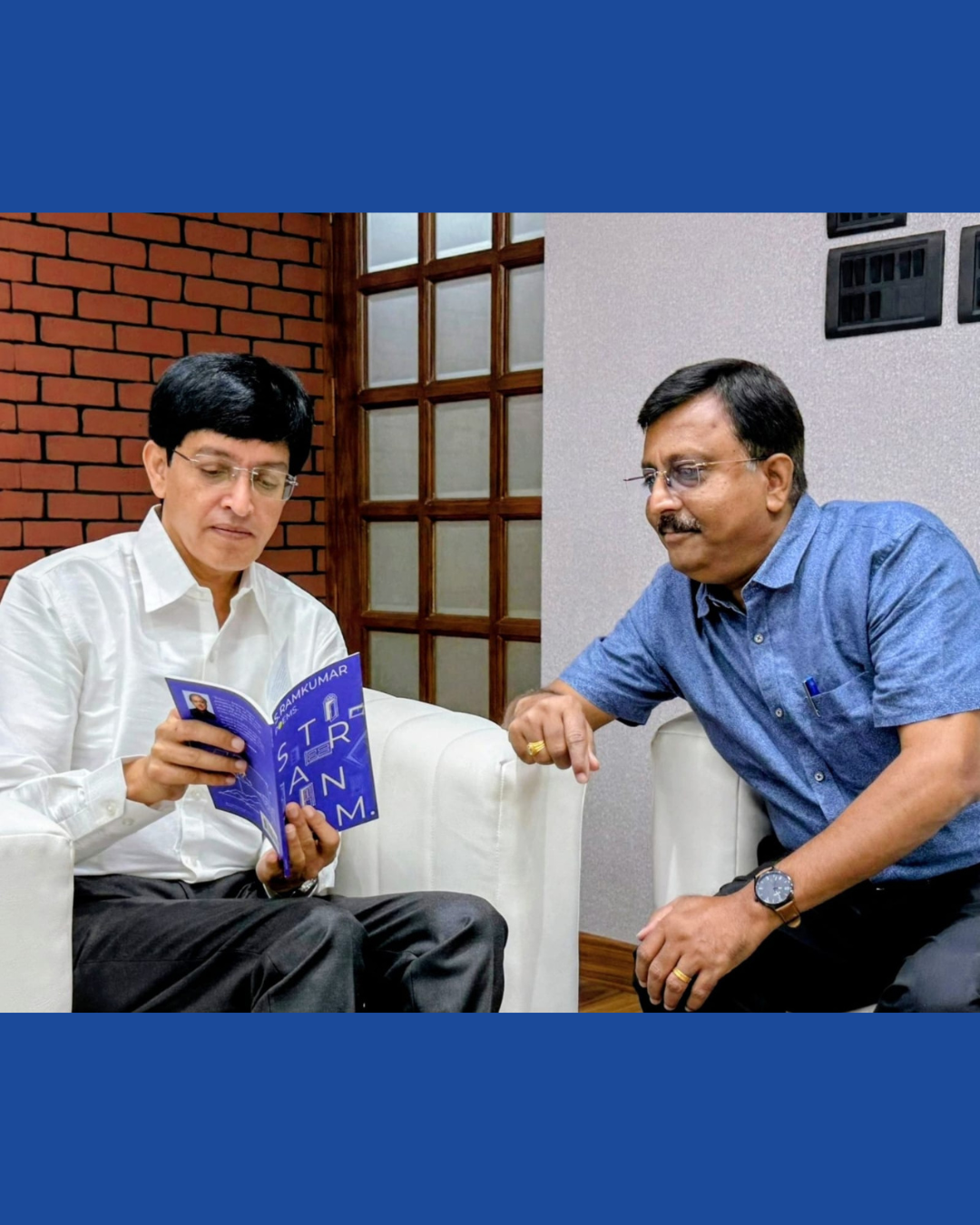
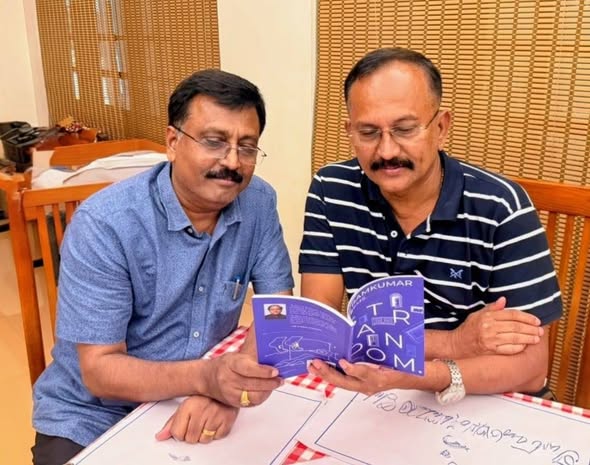
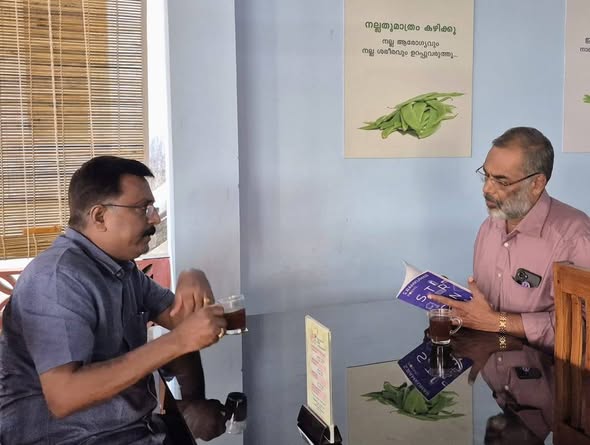
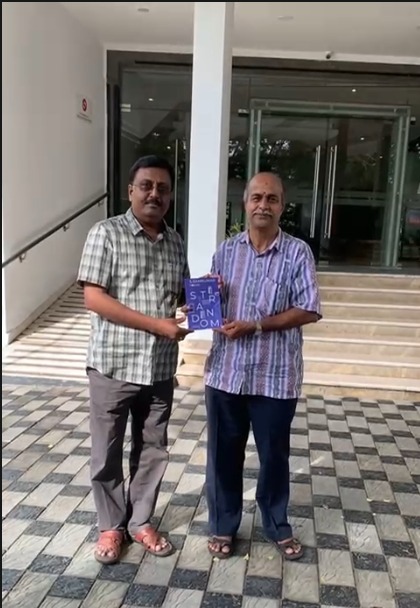
Moments of sharing the book with scholars, students, friends,  readers, dignitaries, and poetry lovers , were imbued with gratitude and grace. I’ve realized, once again, that poetry truly lives not just on pages, but in the intimate spaces of conversations and shared silences.

Education Beyond Classrooms: Nurturing Young Minds

One of the most satisfying chapters of 2025 was the opportunity to engage with educational institutions and the bright young minds within them. From bustling schools to esteemed universities, there’s a palpable shift towards real-life learning experiences.

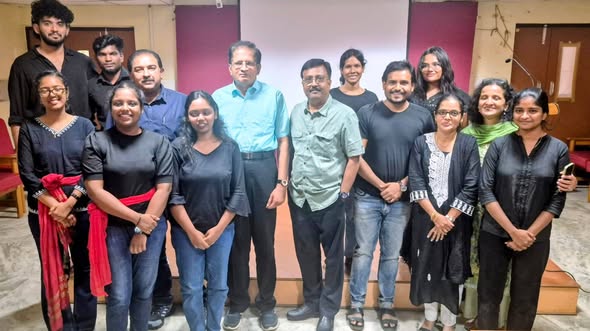
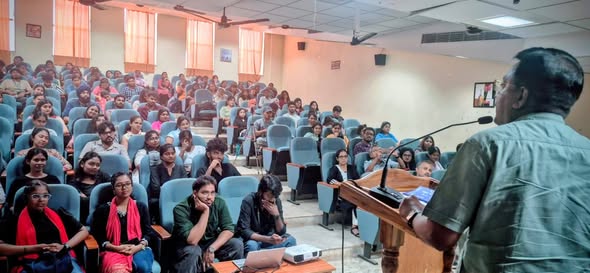
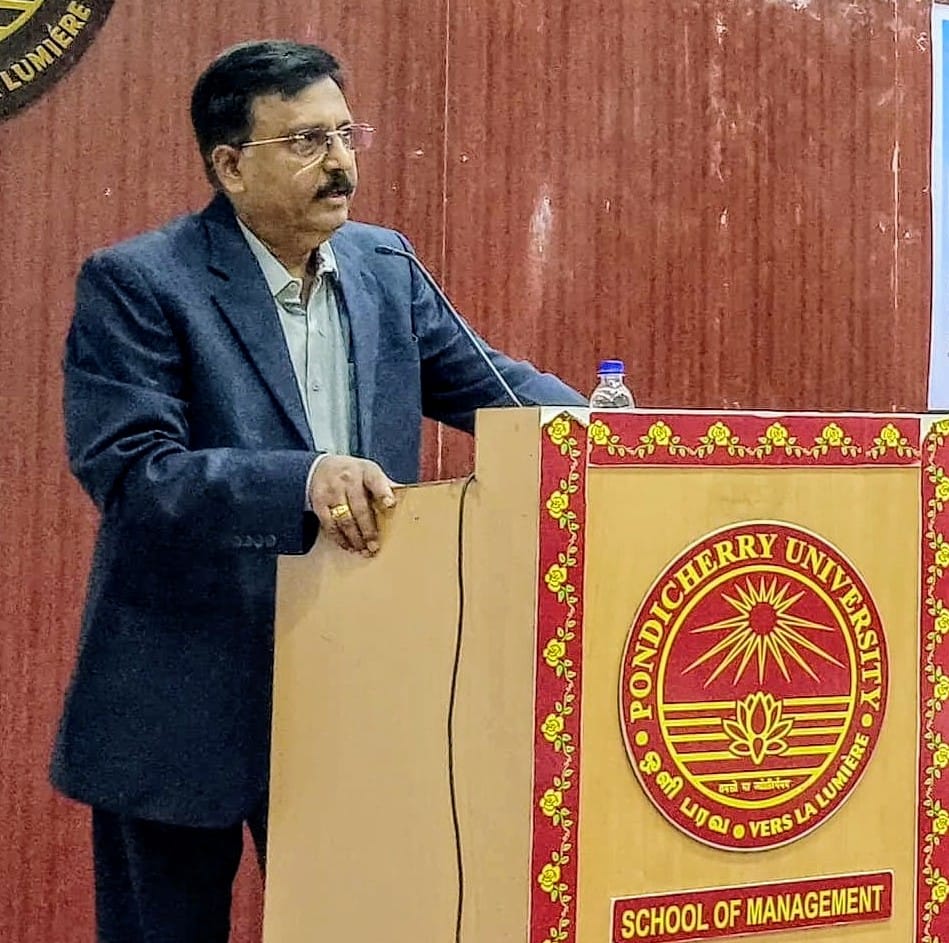
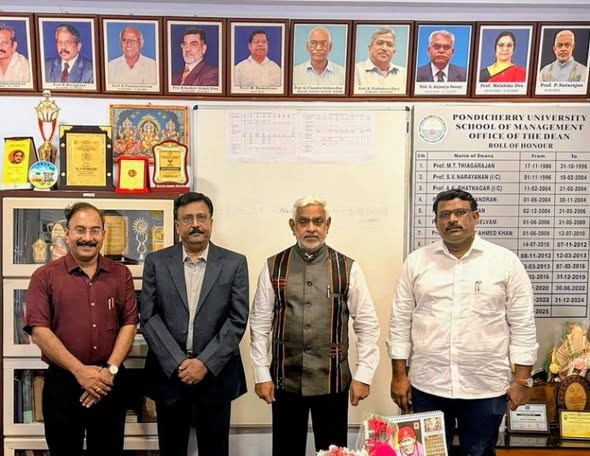
I had the privilege of addressing MBA students at Pondicherry Central University, alongside the esteemed Dean and Head of the Department. This was a wonderful opportunity to share insights on leadership, purpose, and the critical importance of lifelong learning. Such interactions are a powerful reminder that dialogue keeps education vibrant and relevant in an ever-changing world.

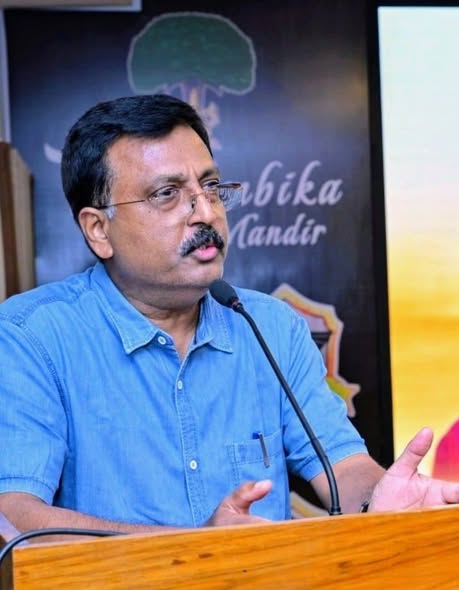
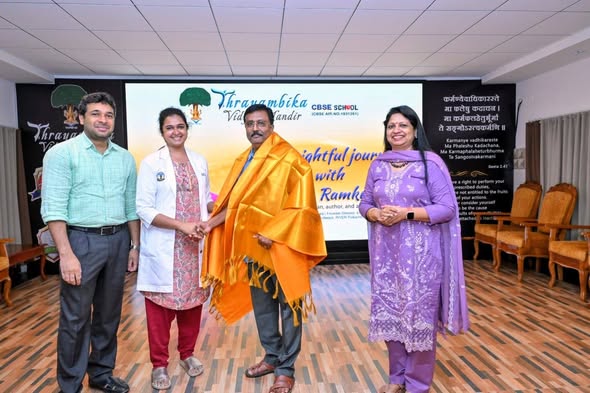
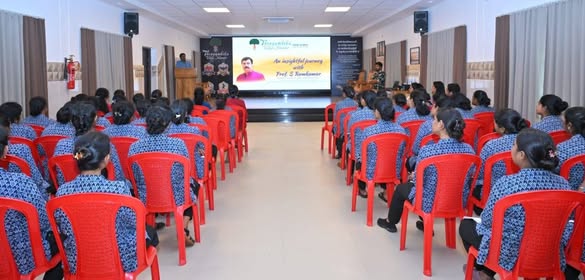
An enriching afternoon spent with the dedicated teachers of Thrayambika Vidya Mandir School in Kulasekharam, Tamil Nadu, reaffirmed my belief that modern education transcends mere instruction. It’s about truly understanding learners, fostering their individuality, and equipping them for life beyond the confines of textbooks. Teachers, without a doubt, are the true architects of our future.

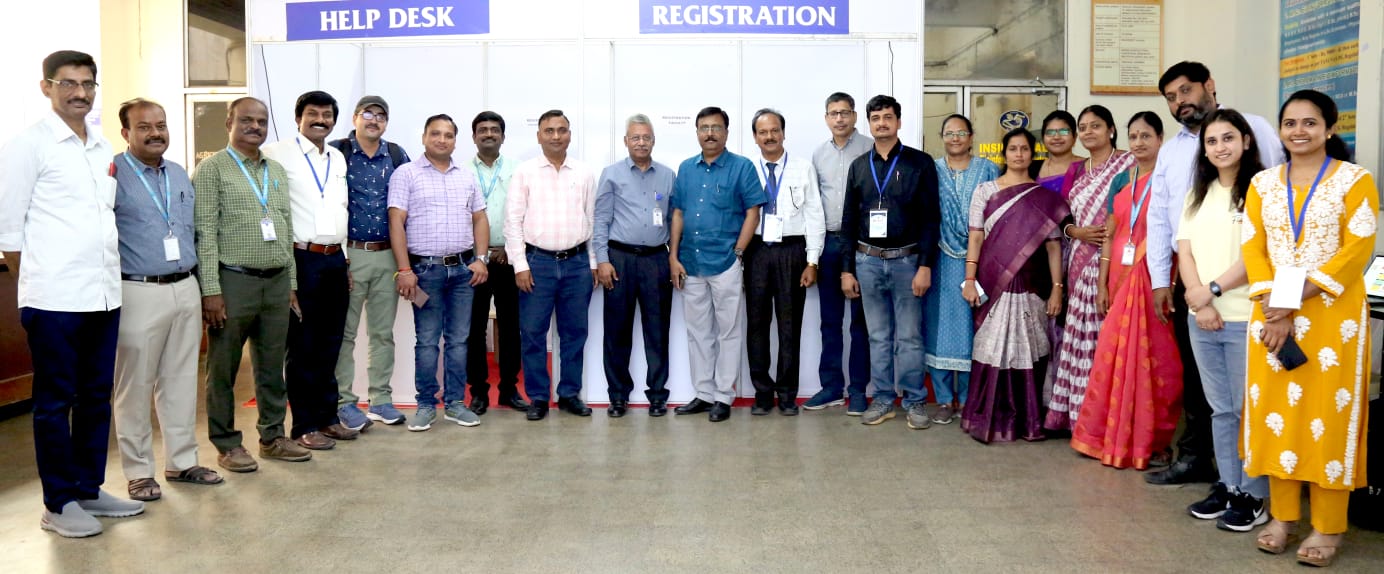
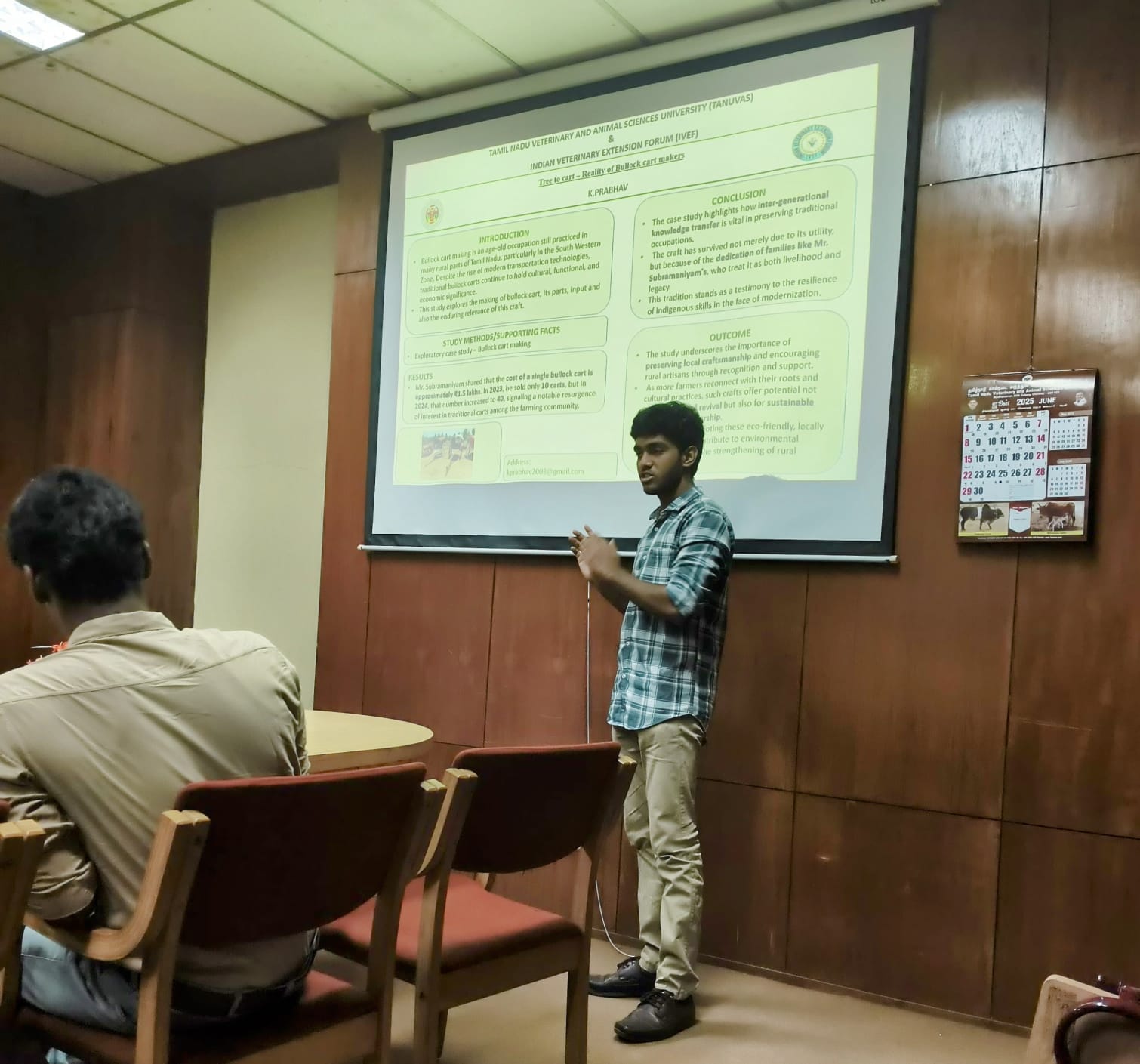
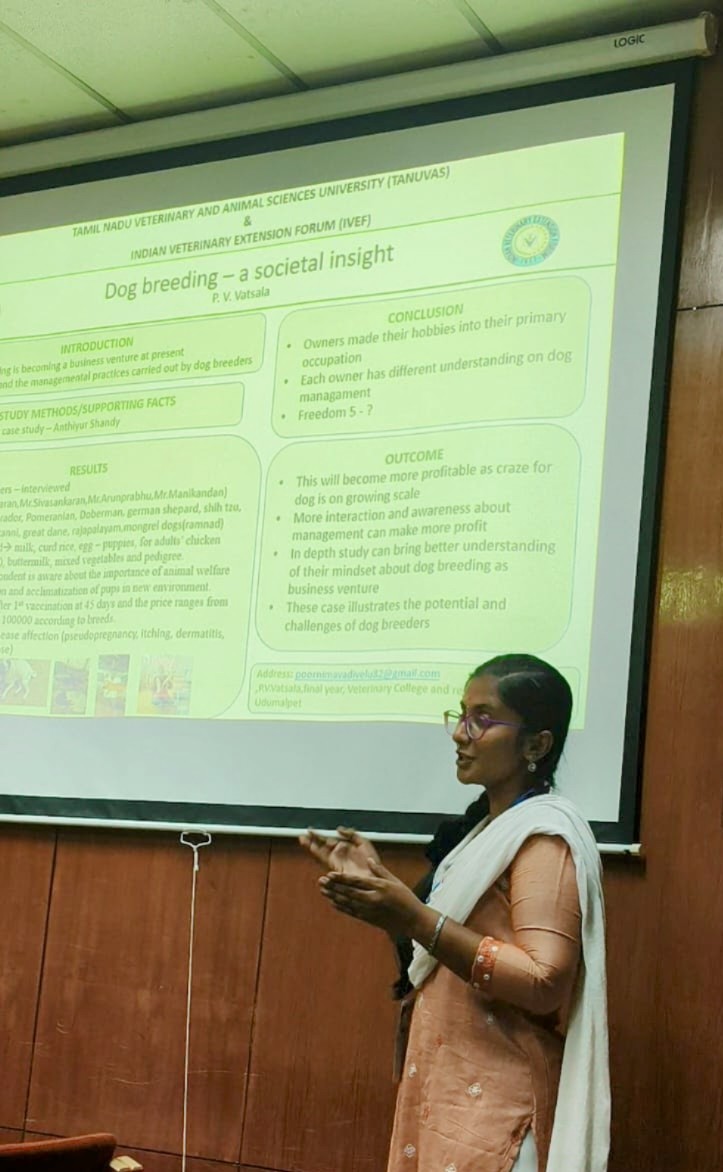
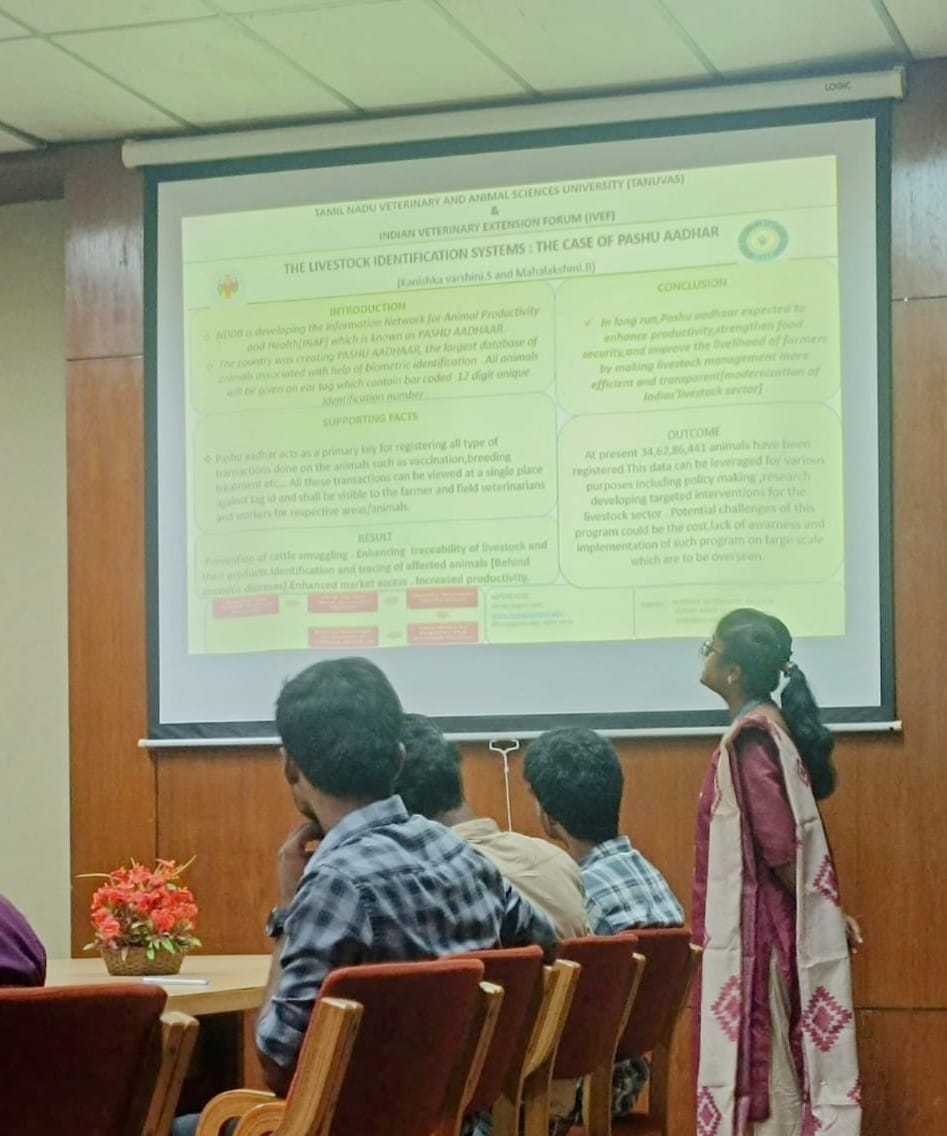
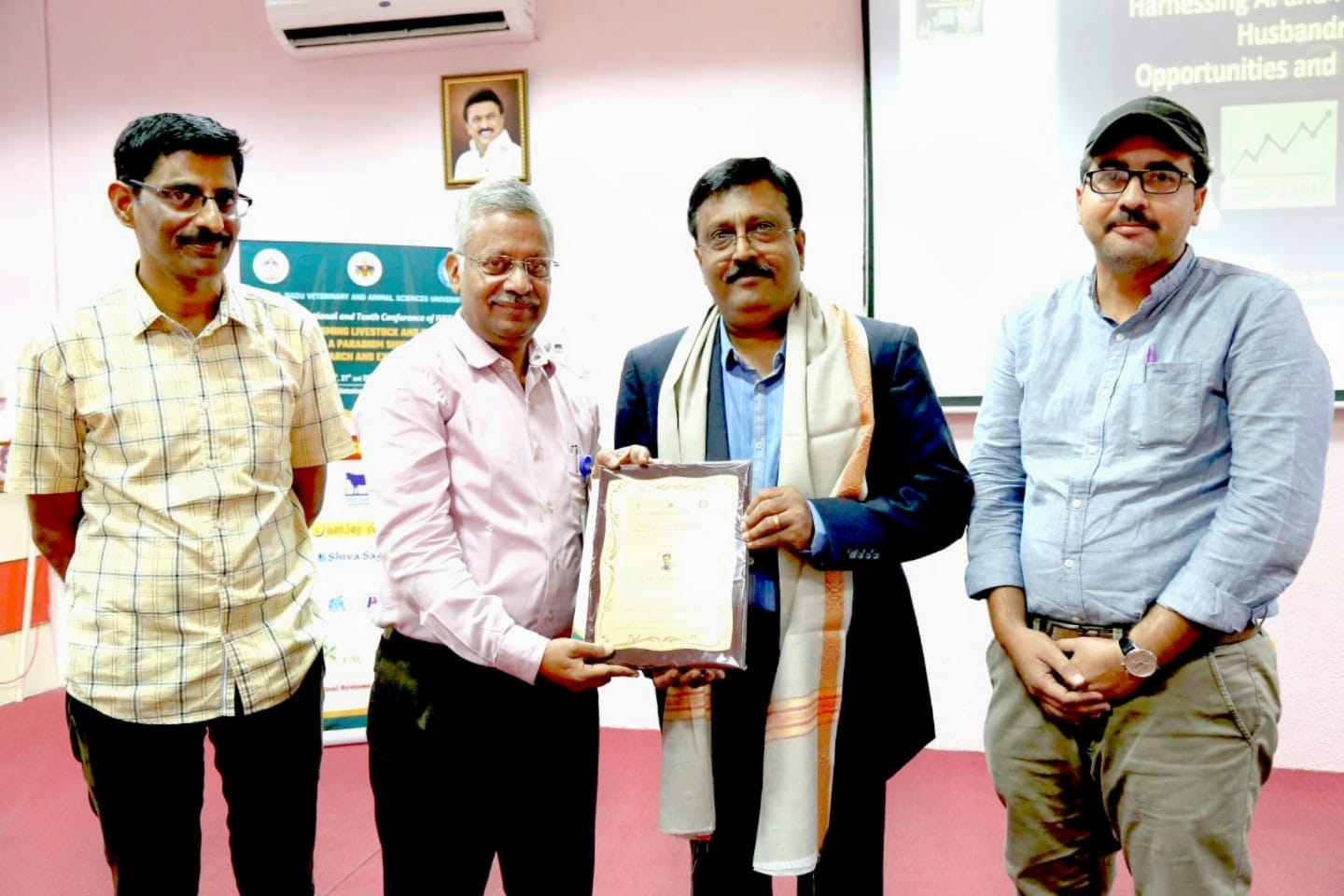
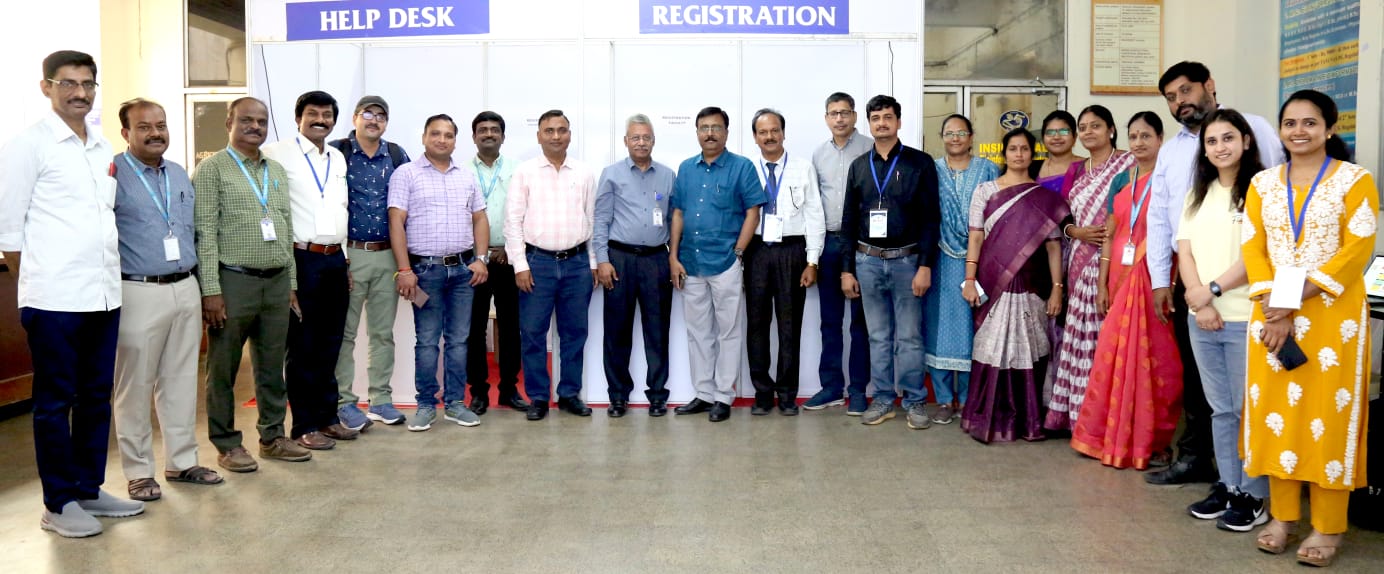
International Conference of IVEF @ chennai

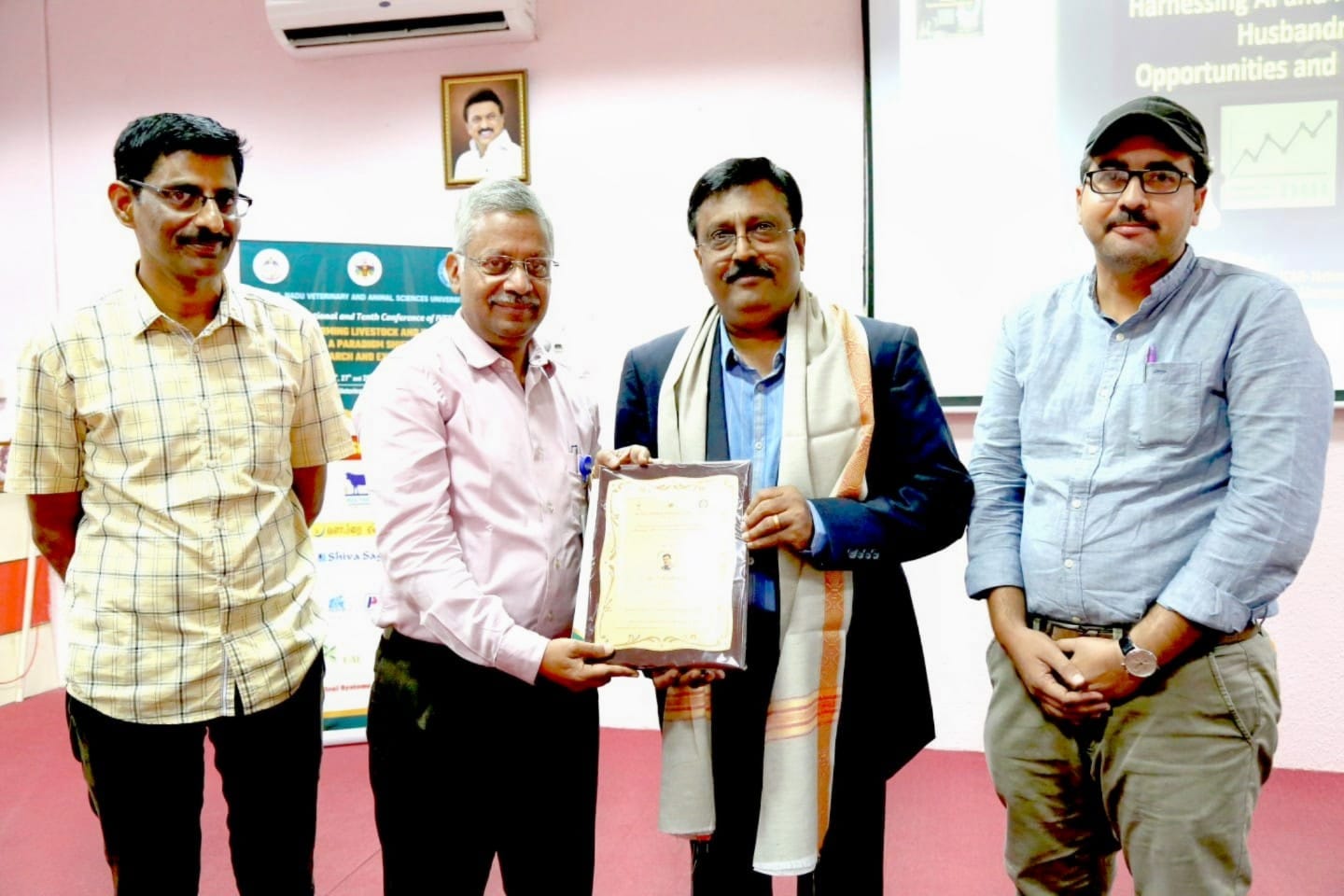
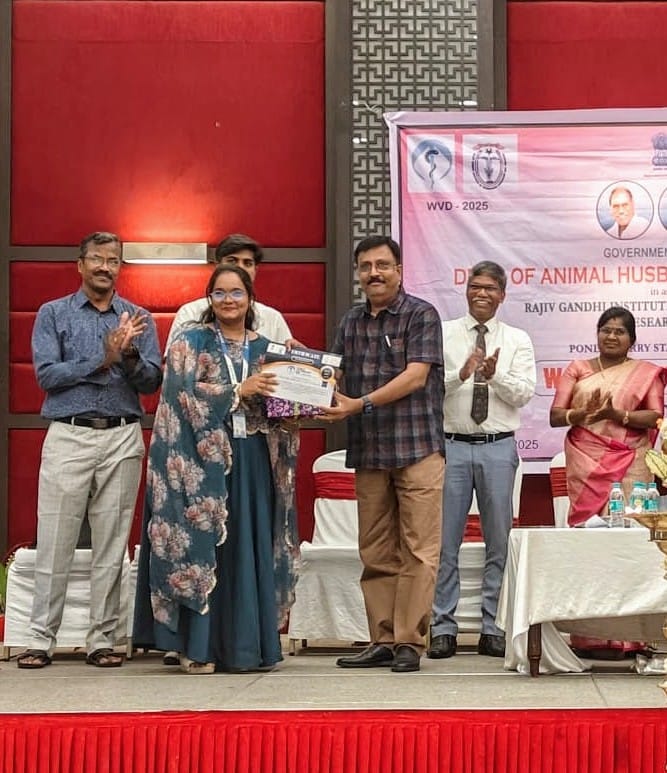
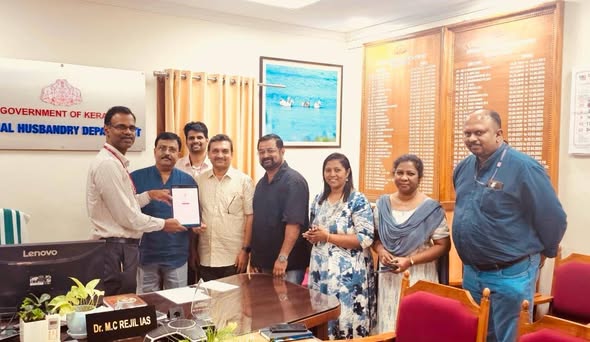
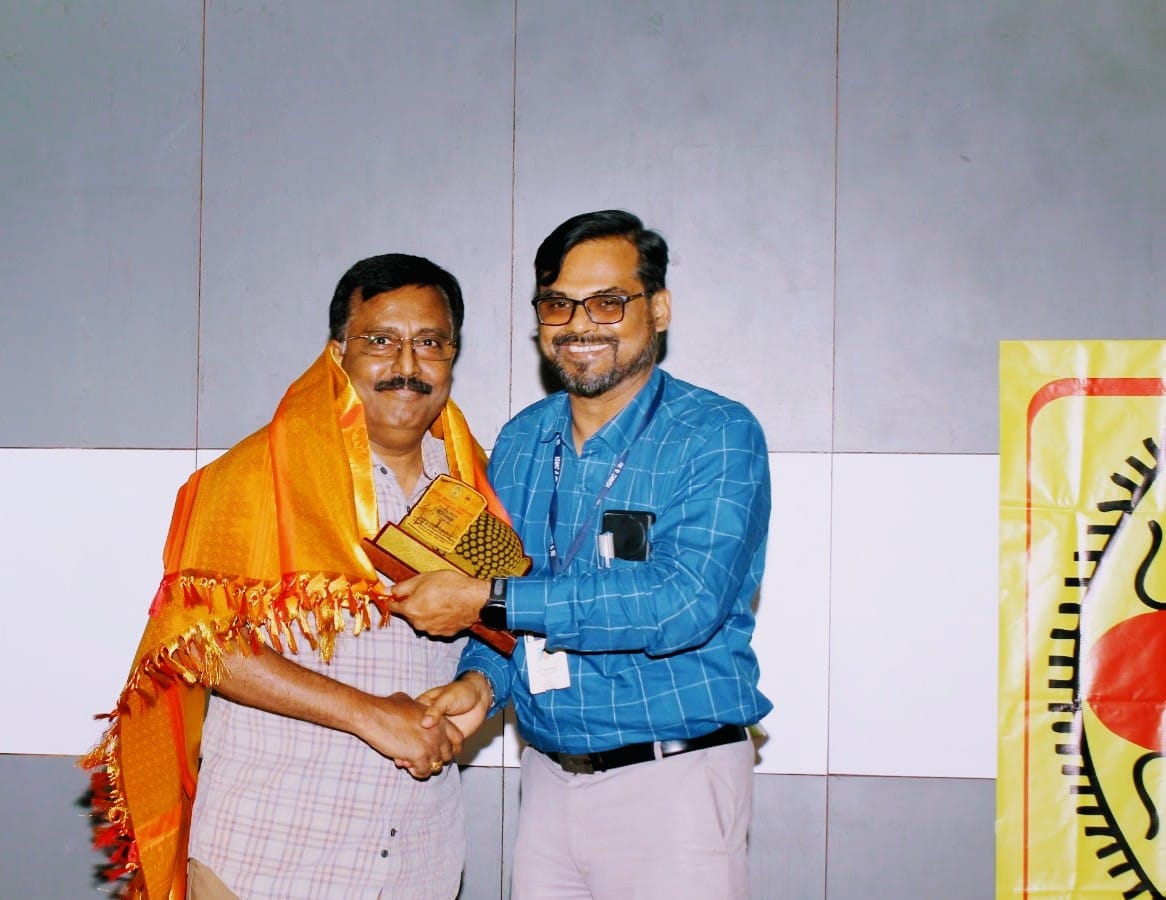
Achievement Award from AHD Govt. of Puducherry

Thankful in receiving the Achievement Award from the Department of Animal Husbandry, Government of Puducherry, alongside my esteemed professional colleagues.

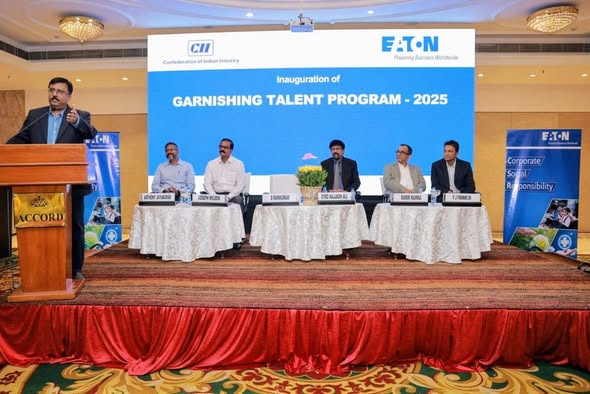
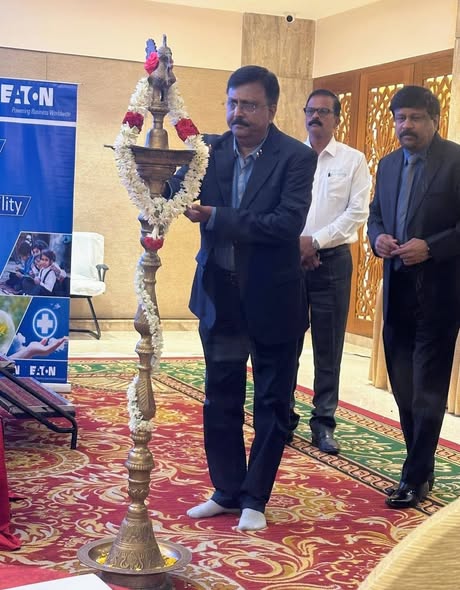
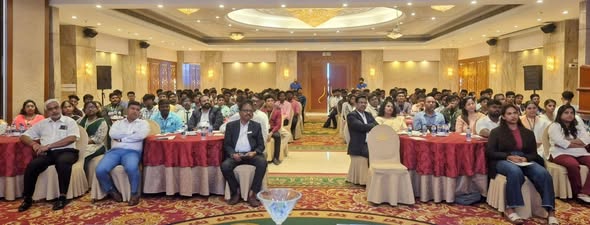
Inaugurating the CII–EATON “Garnishing Talent Programme”

Proud to be part of this initiative for college students from Puducherry and Pondicherry University.
Photos from the programme showcased energy, mentorship, and empowerment.

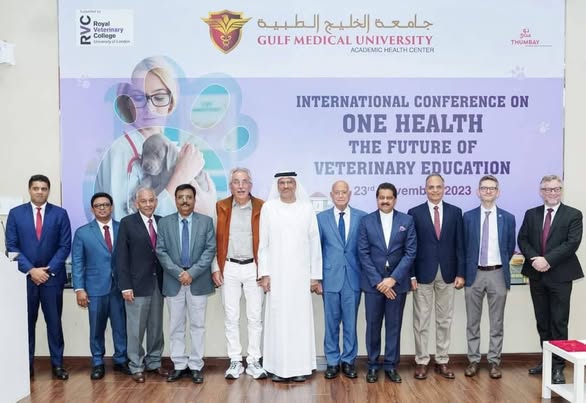
A Proud Moment in Sharjah

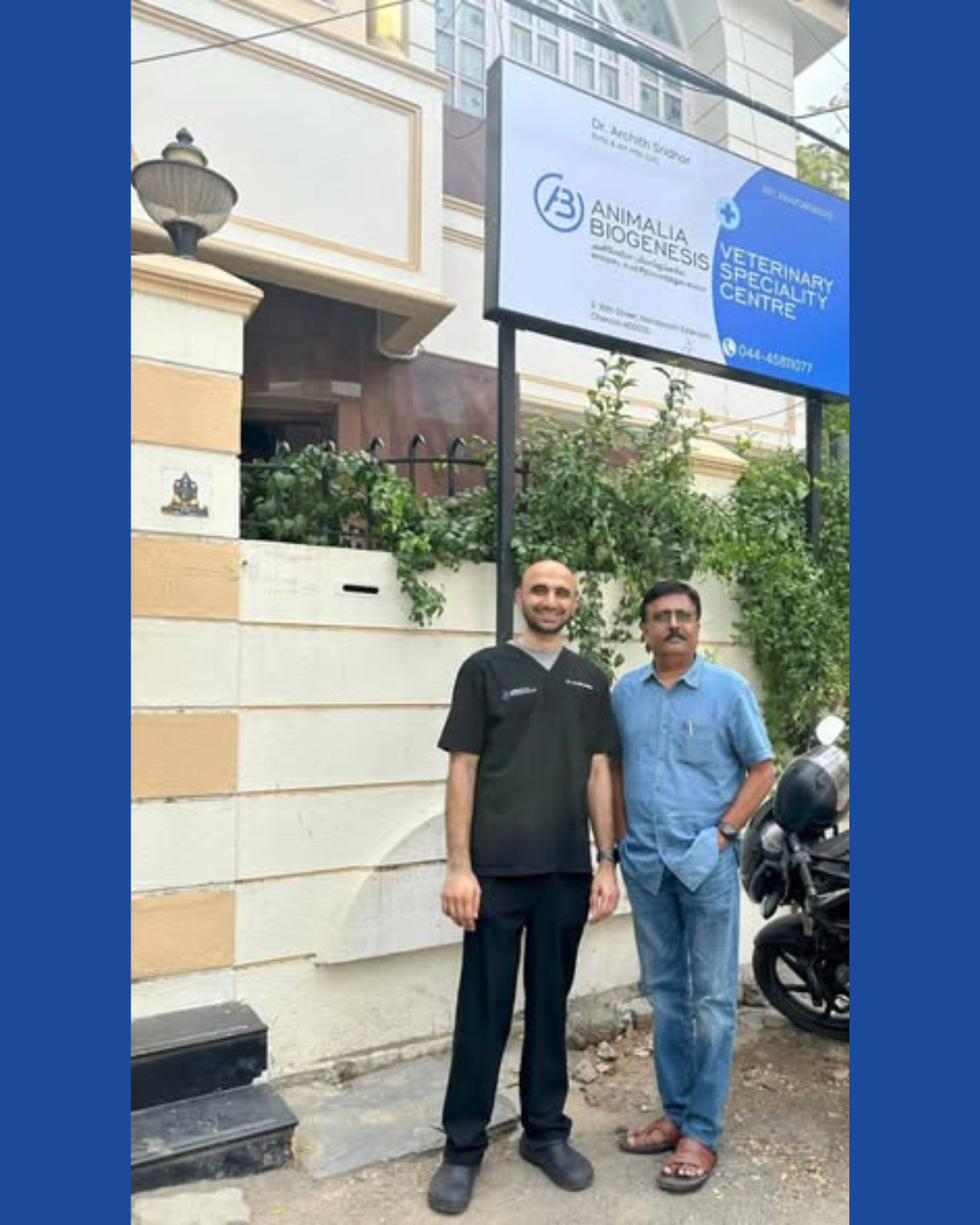
Grand opening of the Thumbay Veterinary Clinic — a milestone in veterinary care and education.
Honoured to join hands with Gulf  Medical University with a dedicated team and initiate a new era in veterinary education

From Students to Professionals: Journeys of Growth

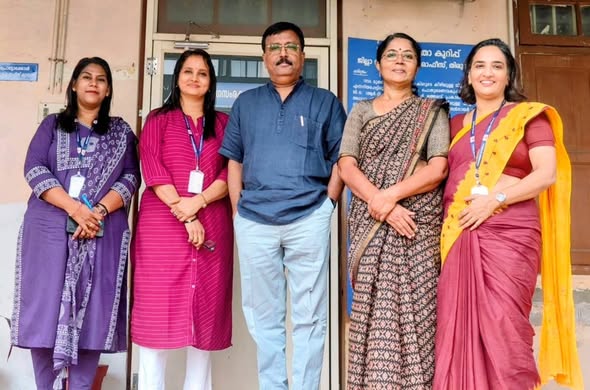
There are moments when time seems to fold back on itself, offering a glimpse into the past and present simultaneously. Meeting former students, now confident and accomplished professionals, at the Kerala Indian Veterinary Association initiative and other professional gatherings was deeply moving.

Witnessing their journeys, from the vibrant classrooms to their impactful roles in the professional world, stands as a quiet testament to growth, perseverance, and the boundless possibilities of innovation.

It was particularly inspiring to see initiatives like the Digital Veterinary Directory and the significant progress toward establishing new veterinary institutions within the Government of Kerala. These moments truly underscore the joy of seeing visions transform into tangible realities.

Cultural Spaces and Collective Memory

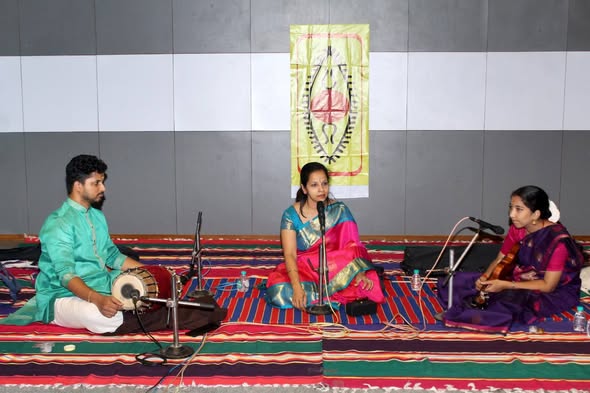
Playing a role in initiating the SPIC MACAY cultural launch

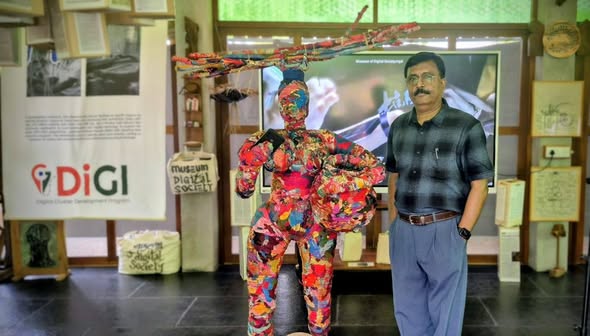
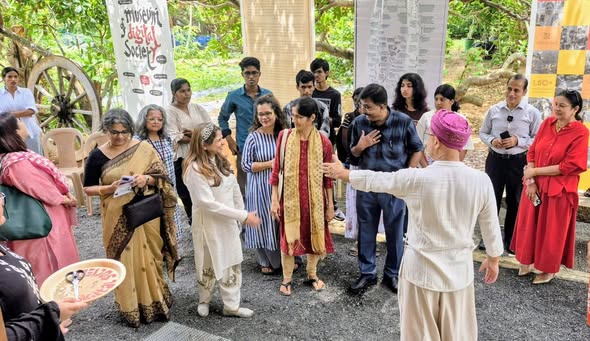
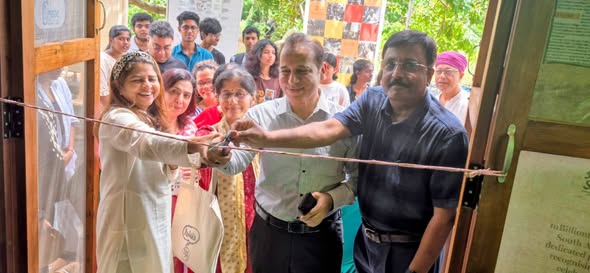
Museum of Digital Society

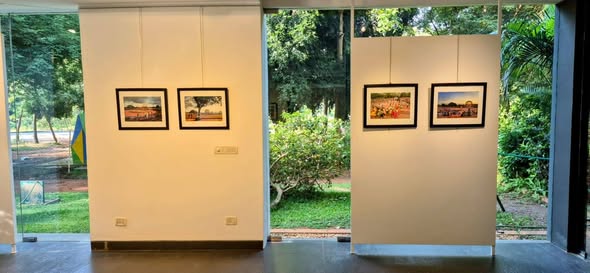
Visits and participation in vibrant cultural spaces, such as the Photo Exhibition at Auroville and the grand opening of India’s first Museum of Digital Society, offered profound moments of reflection. These experiences prompted contemplation on themes of time, memory, and the ever-evolving relationship between humanity and technology.

These moments served as a powerful reminder that progress and thoughtful reflection must always walk hand-in-hand. 

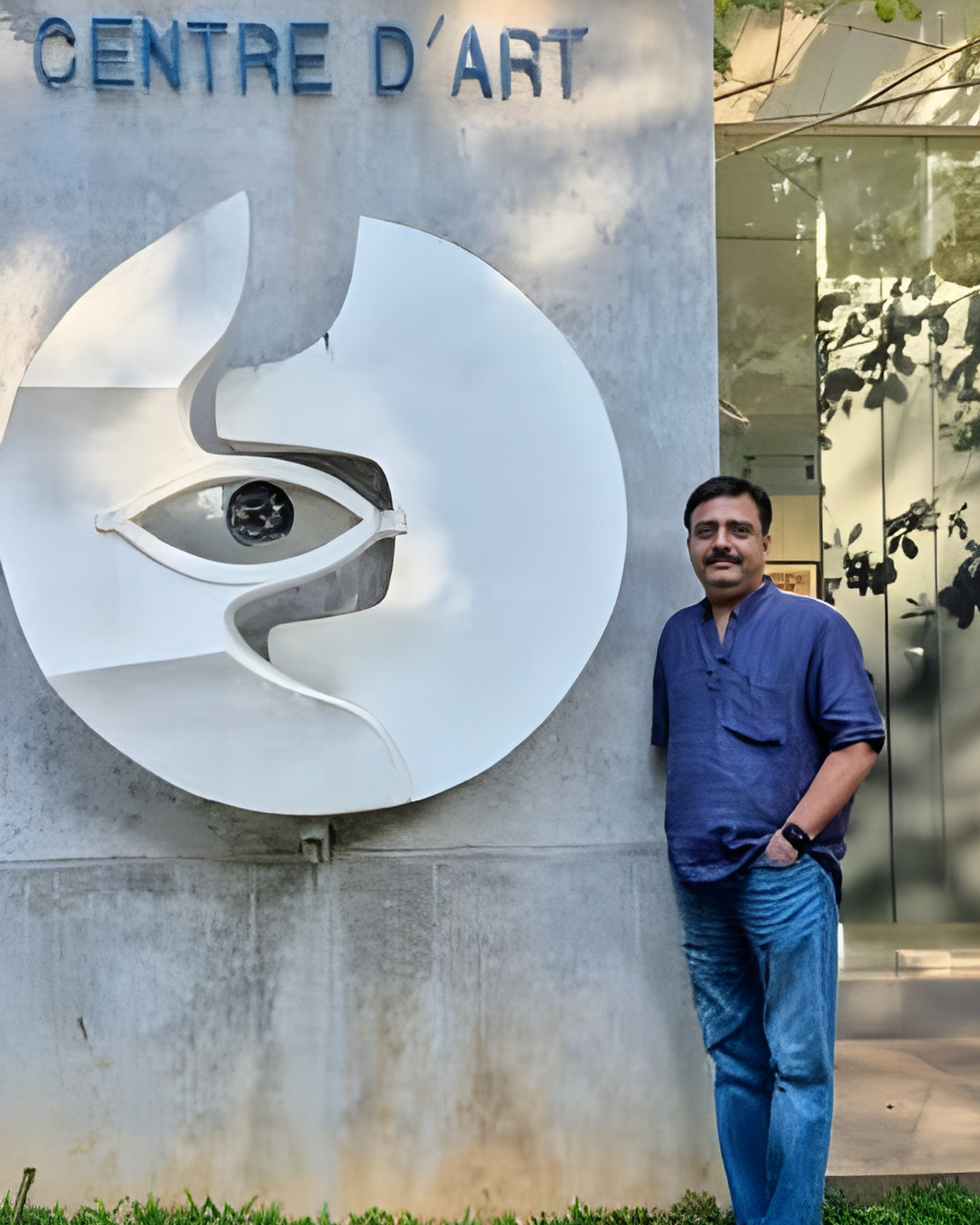
Art Exhibition at Auroville

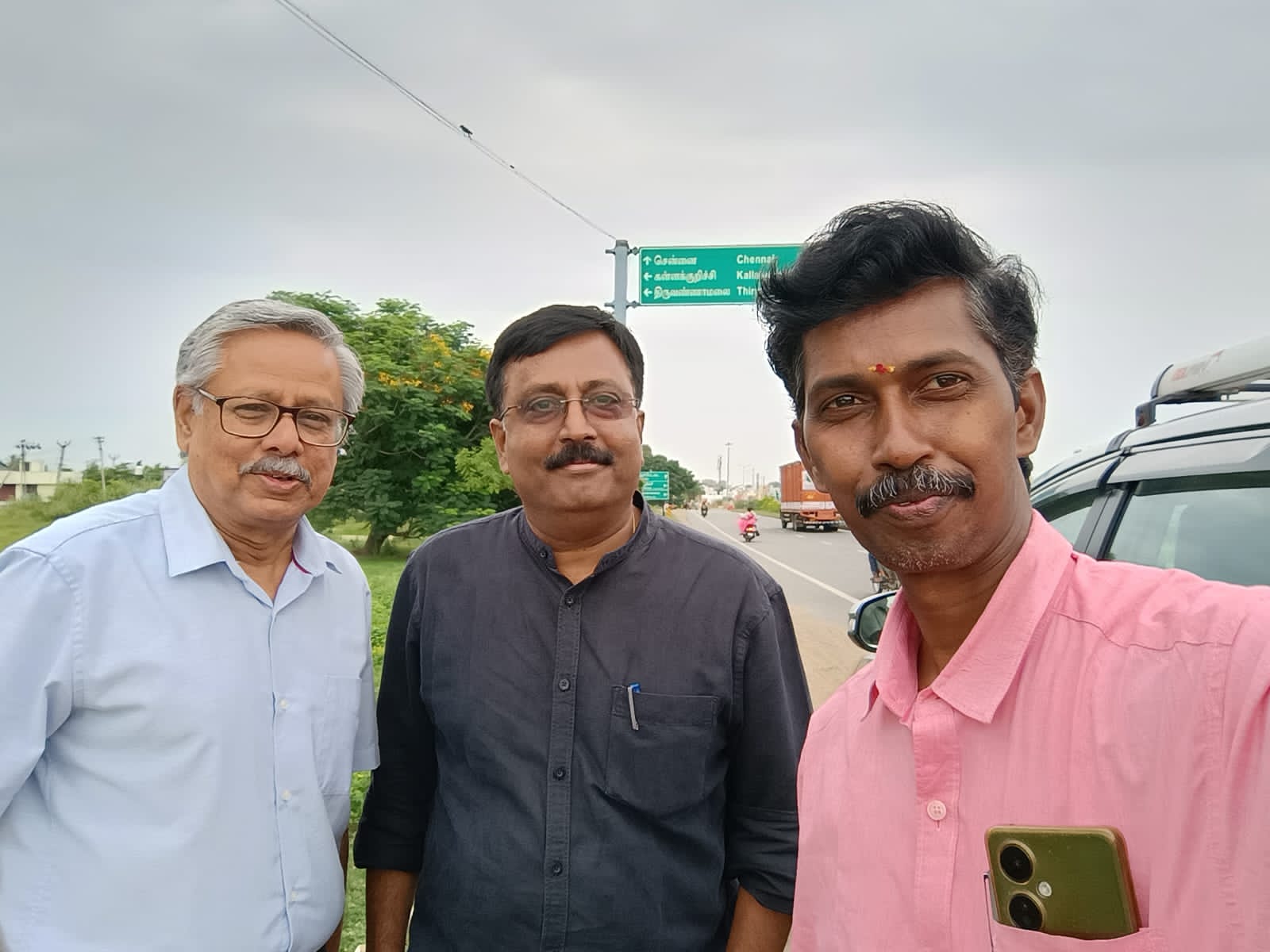
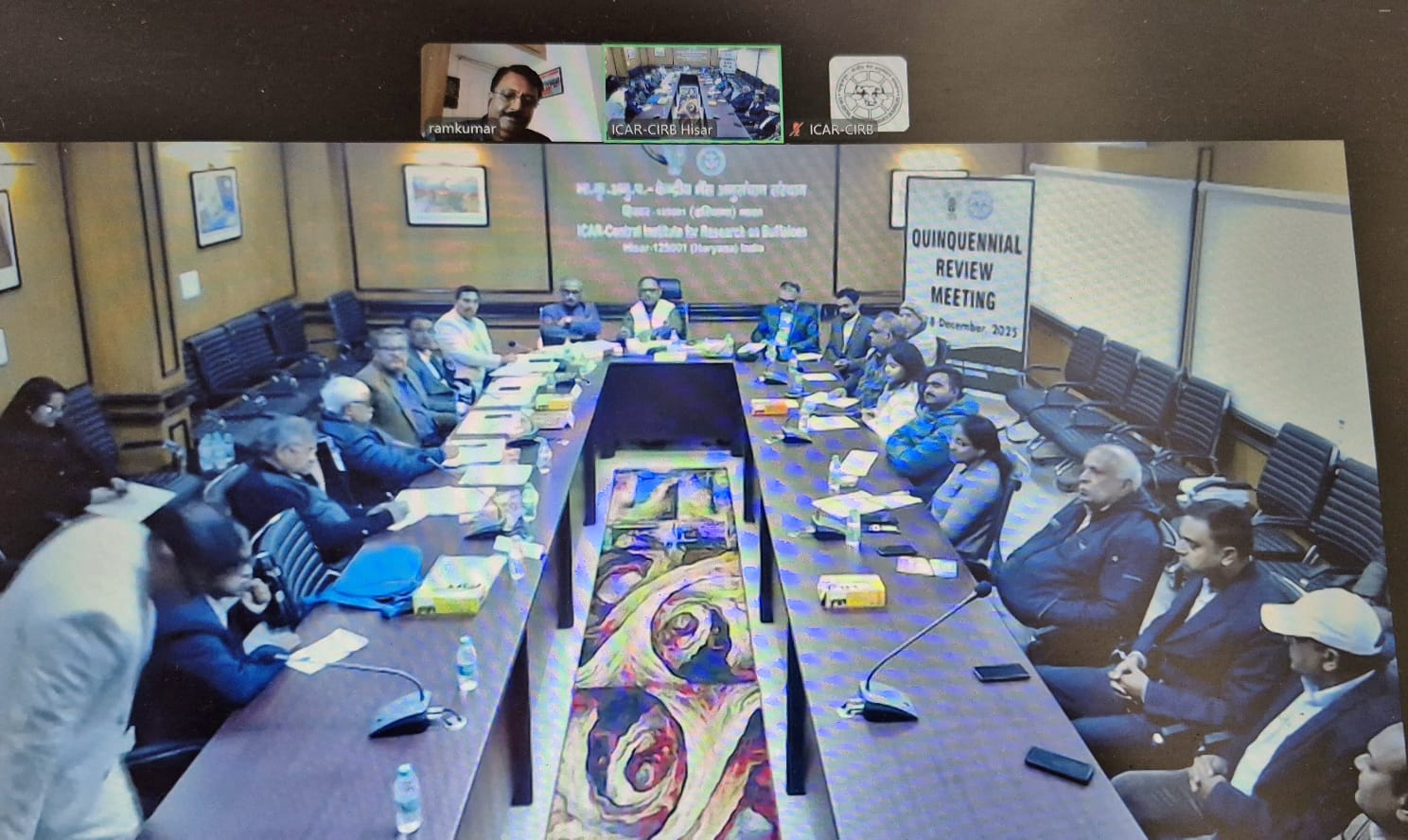
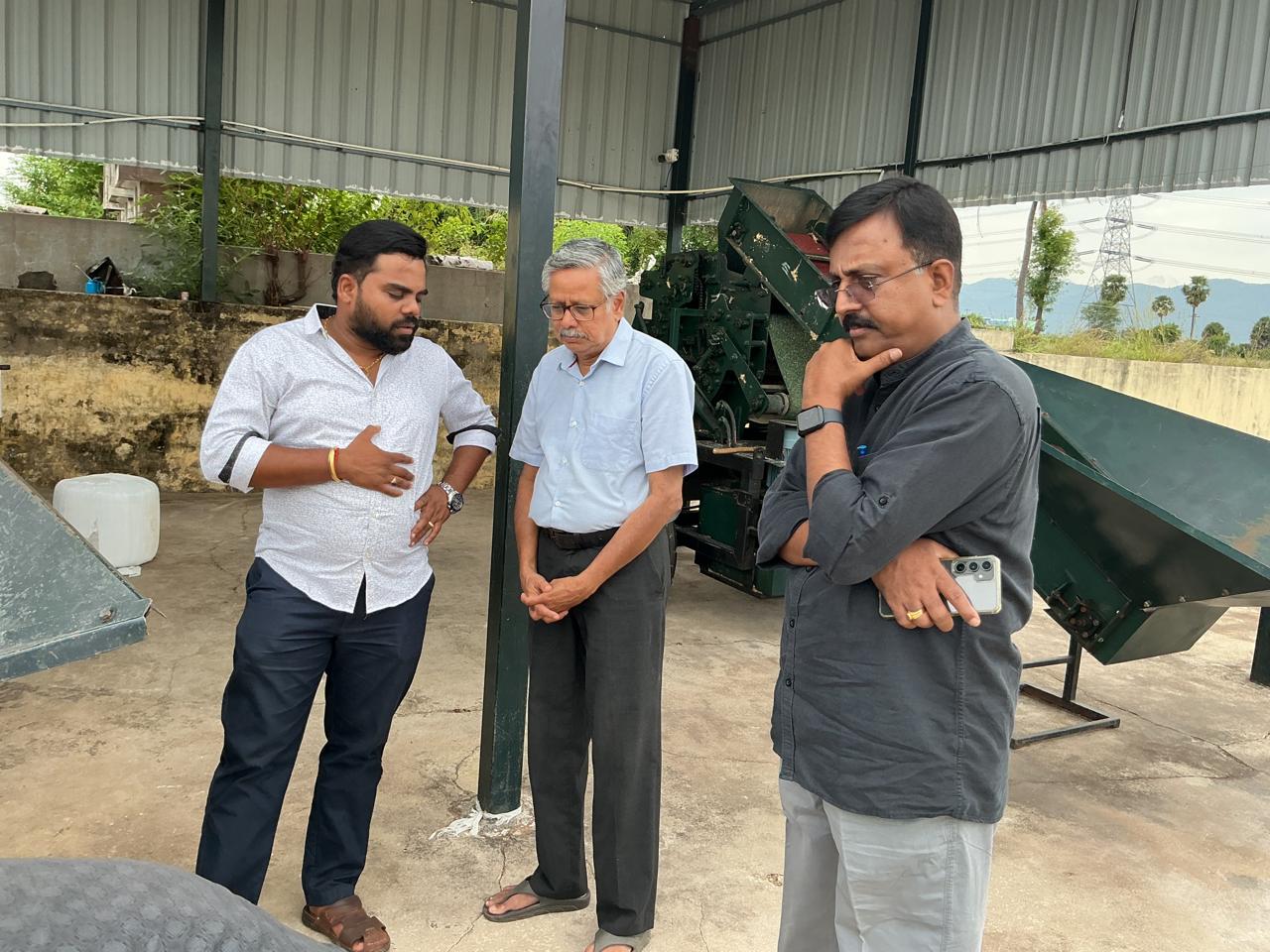
Participating as an expert member of the QRT Evaluation Committe of CIRG , ICAR

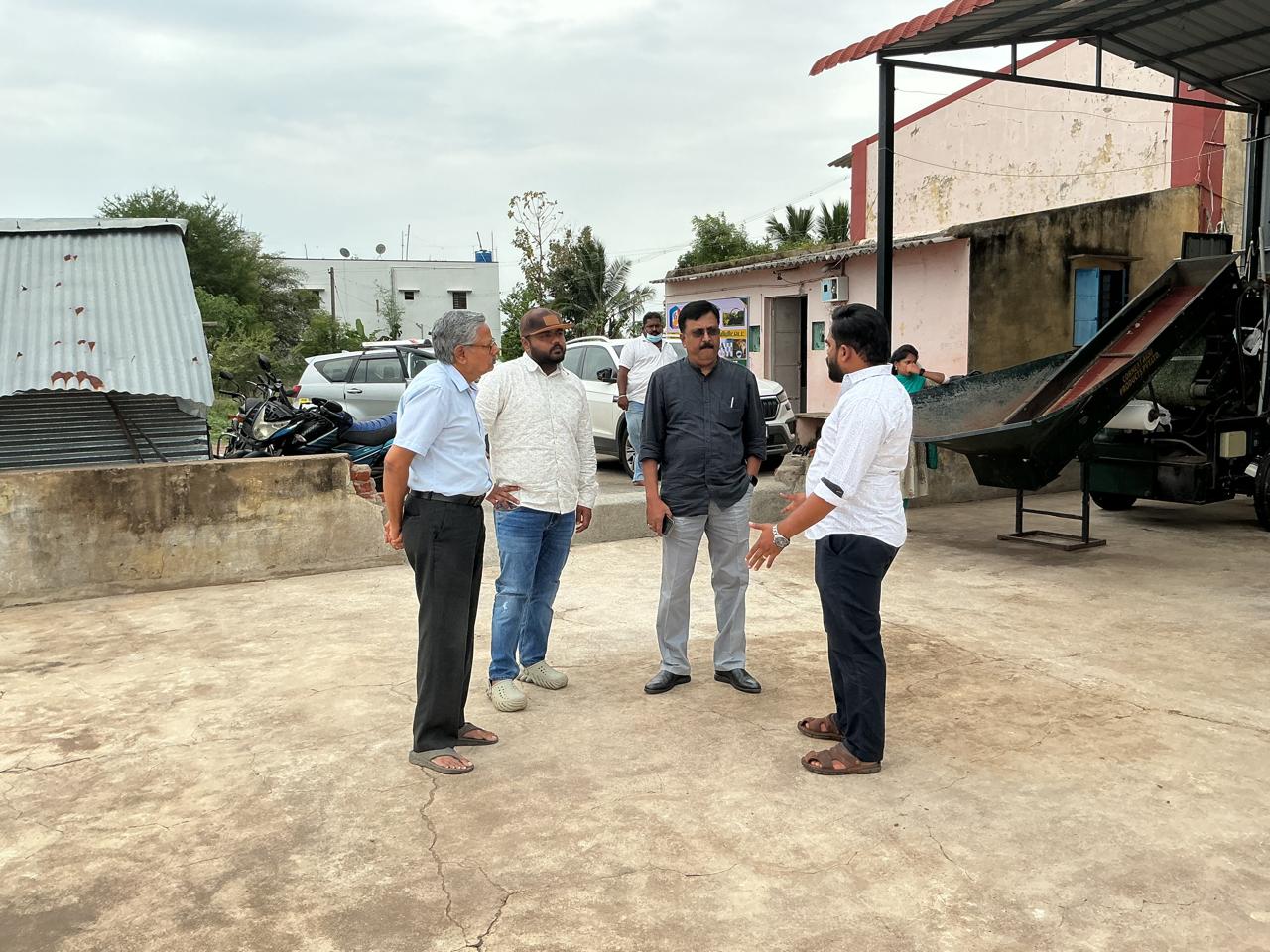
Formal field evaluation for Agricultural University of an innovation incubation at Kallakuruchi , Tamilnadu

IMG-20250701-WA0131(1)

System blame Vs Person blame

STRANDOMS: the stray and random thoughts

Jul 09 ,2025

System blame Vs Person blame

Dr.S.RAMKUMAR

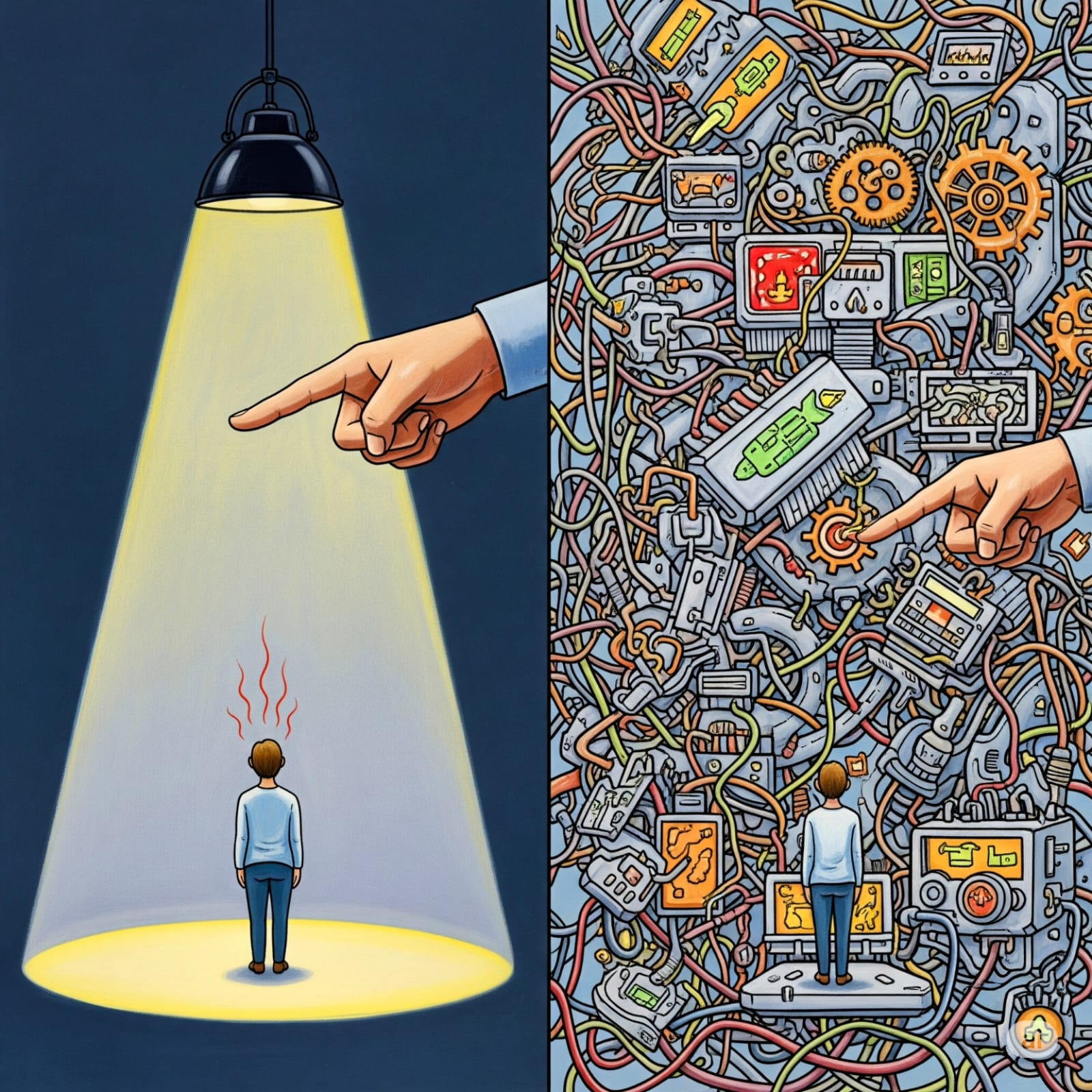
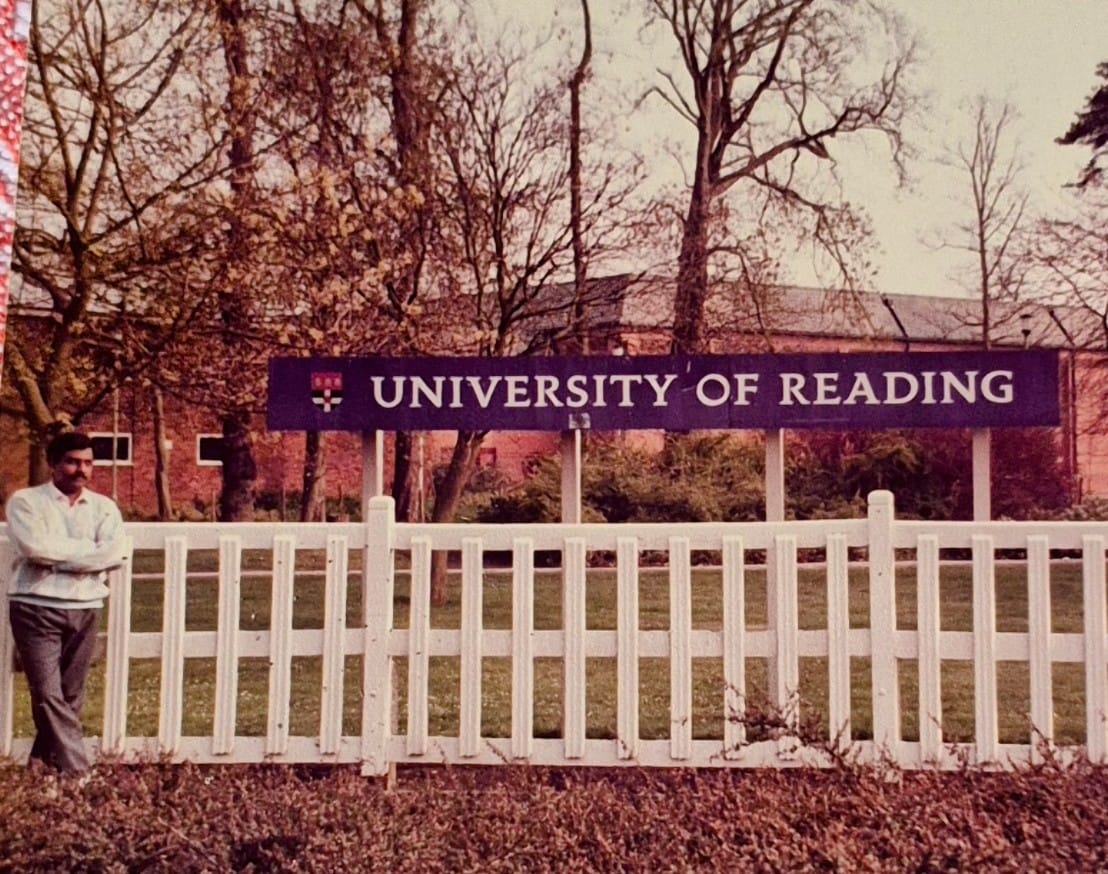
In 1985, an article in FAO’s Ceres magazine by Prof. Niels Röling of Wageningen University introduced the intriguing concept of “System blame” versus “Person blame” within agricultural extension. This idea captivated me and profoundly influenced my academic pursuits. The distinction between whether a problem’s root cause lies within a system’s design or with the individuals operating it became a central theme in my studies, particularly during Ph.D. and postdoctoral work at the University of Reading from 1991 to 1995, where I focused on Information Systems.

Today, discussions frequently revolve around “System failures,” implying that the fault lies with the established frameworks created and managed by people. This raises critical questions: Are problems, or the lack of timely and appropriate solutions, solely a consequence of inherent defects within the systems we inhabit? And can any administrative system truly exist without the integral involvement of individuals?

The Importance of a Balanced Approach

While both person blame and system blame offer valid perspectives, a comprehensive understanding of problems often requires considering both. Most complex issues are not solely the fault of an individual or solely the result of a flawed system. Instead, they arise from an interaction between individual actions and the surrounding context.

For instance, a medical error might involve a doctor’s fatigue (individual factor) and an understaffed hospital that leads to overwork (systemic factor). Addressing only one aspect might lead to temporary fixes but won’t prevent similar incidents in the future.

Ultimately, shifting from a purely person-blame mindset to one that incorporates system blame encourages a more constructive, learning-oriented approach to problem-solving, fostering environments where continuous improvement is possible.

IMG-20250701-WA0131(1)

Find the “YES” minds: Classroom to Conferences!

STRANDOMS: the stray and random thoughts

Jul 02 ,2025

Find the “YES” minds: Classroom to Conferences!

Dr.S.RAMKUMAR

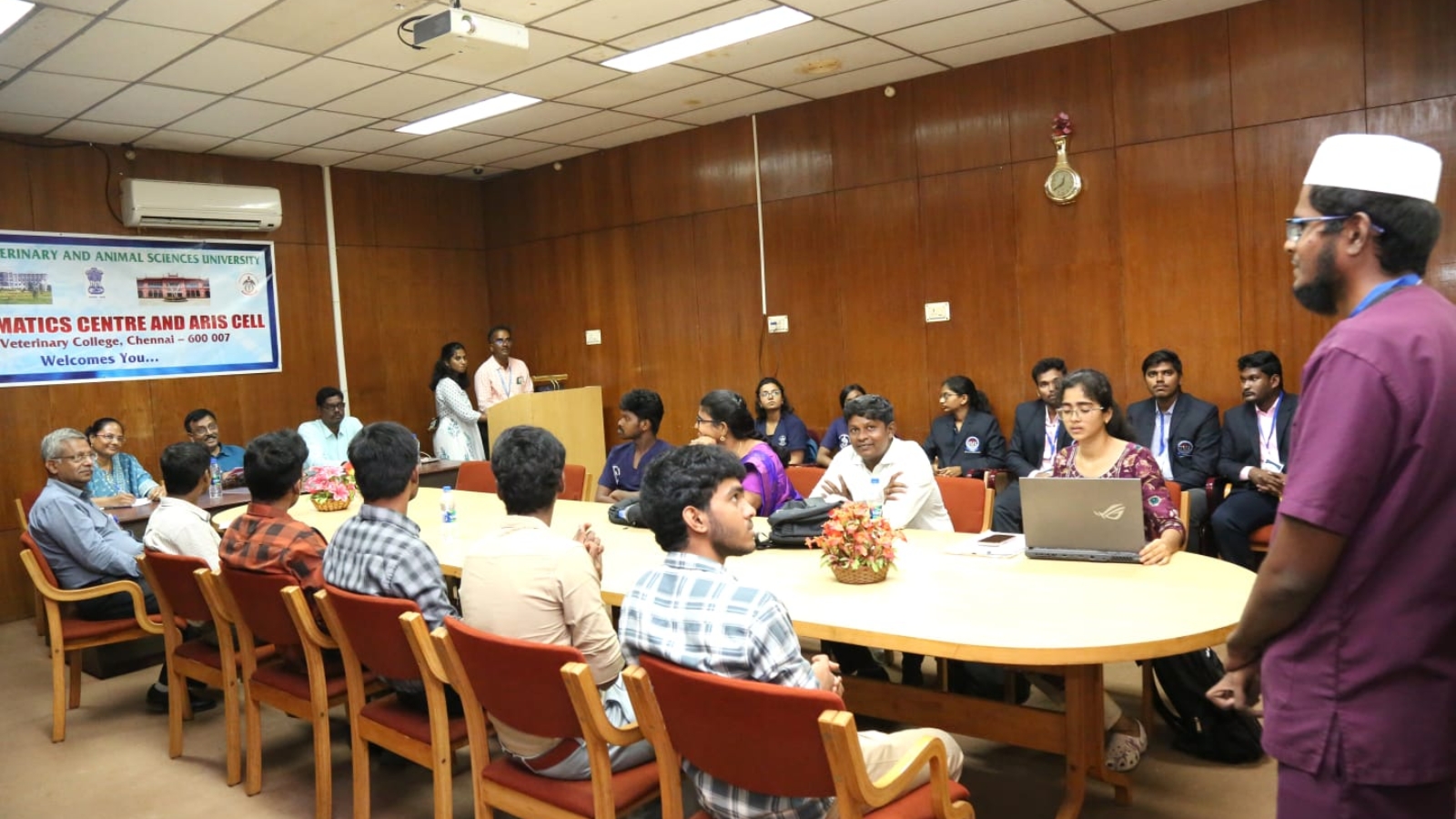
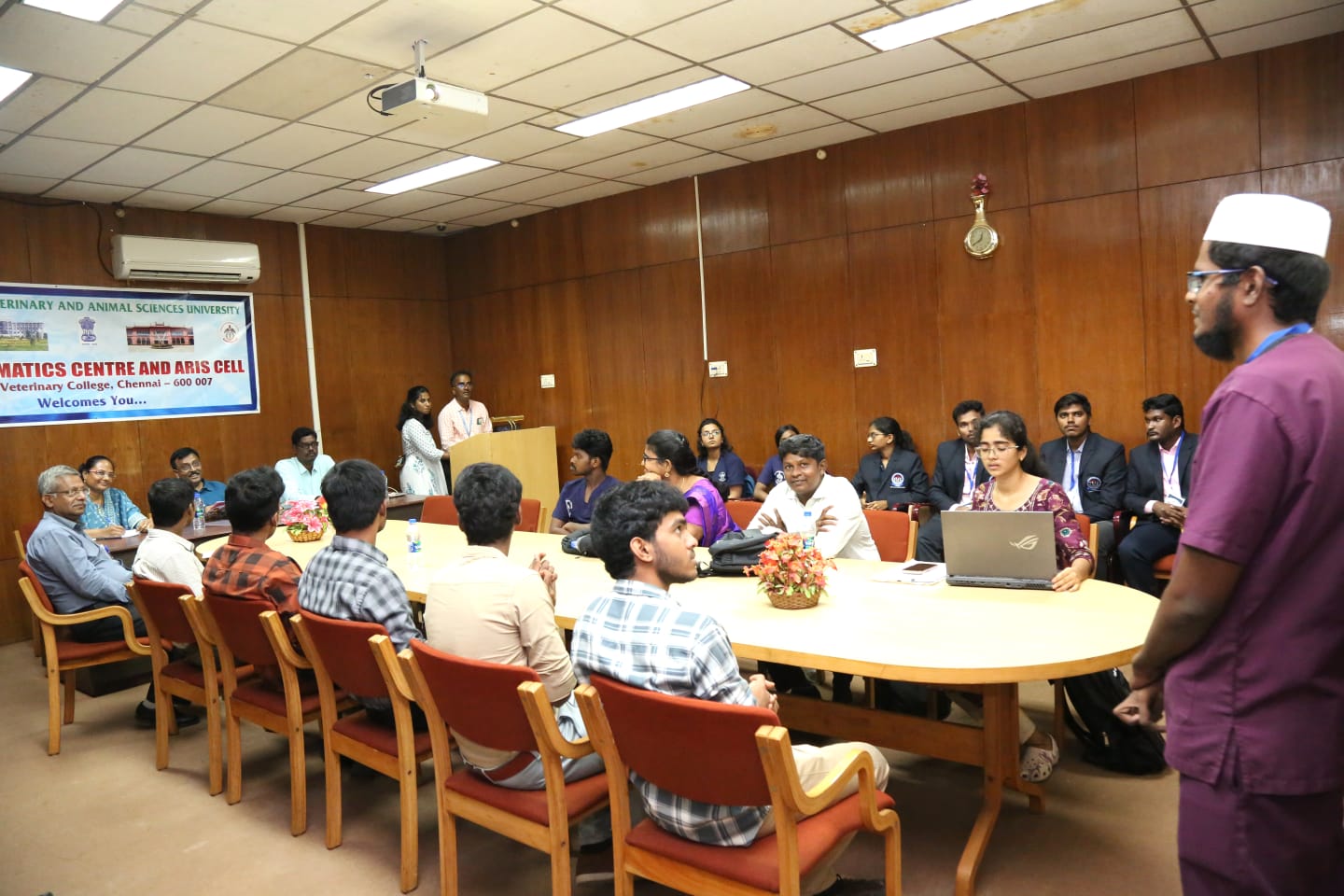
(An experience of the recent International Conference by IVEF on Veterinary Extension at Chennai wherein the session on short presentations by the undergraduate students had an insightful impact. Reflections on my thoughts on the pedagogic opportunity which was exciting for me as the Chairman of the session)

Finding the “YES” mind – Young, Energetic, and Stimulating – is a crucial endeavour, particularly in academic and professional settings. The recent International Conference on Veterinary Extension by IVEF in Chennai, India held from June 26 to 28, 2025, provided a significant opportunity to engage with these vibrant perspectives. Short presentations by graduate students of Veterinary Sciences and Animal Husbandry allowed these emerging professionals to confidently, clearly, and carefully share their ideas with a wider, diverse audience. This initiative highlights the immense value in fostering an environment where fresh viewpoints can flourish and contribute to broader discussions.

The “YES” mind represents an open and invigorating perspective that can significantly boost diverse thinking across all age groups and experience levels. Creating a platform for such minds, like the one offered at the Chennai conference, provides a comfortable and supportive space for budding graduates. It encourages them to step out of their comfort zones and boldly articulate their thoughts on chosen topics. This hand-holding approach is essential for nurturing confidence and empowering the next generation of professionals to actively participate and present their unique insights without hesitation.

Every individual possesses a “YES” mind, and true education lies in igniting these minds. The key to successful presentations and intellectual growth is providing an environment that champions freedom of expression. While mentorship can guide young presenters in structuring and delivering their ideas effectively, the ultimate credit for the presentation belongs solely to them. This autonomy fosters a sense of ownership and encourages deeper engagement with their subject matter, leading to more authentic and impactful contributions.

Facilitating a platform for younger minds not only benefits the presenters but also illuminates the audience, including seasoned experts, stalwarts, scientists, and faculty. It allows them to rediscover the “unseen YES” that might have become dormant due to years of accumulated experience and knowledge. These fresh perspectives radiate new insights, offering valuable opportunities for collaborative development with younger minds. It’s a reminder that innovation often springs from looking at familiar challenges through a new lens.

It’s crucial to resist the temptation to dismiss the ideas, processes, and knowledge shared by young minds with a “master-of-all-knowledge” mind-set. Instead, view these short presentations as stories depicted from their unique understanding – a vital first step in their professional journey. It’s important to compliment them on their presentation style and content, and then offer constructive criticism on areas for improvement. Focusing on positive points for growth will not only make them feel valued and confident but also encourage them to become more analytical and adaptable in their future endeavours. If some ideas are incorrect, suggest modifications gently, ensuring they don’t feel belittled.

The art of mentoring lies in making young minds feel comfortable enough to open up, by truly understanding their perspectives and inquiring into their reasoning.

Share

IMG-20250619-WA0144

Hill-Side Bonds

STRANDOMS: the stray and random thoughts

Jun 19 ,2025

Hill-Side Bonds:
the friendship tales

S.RAMKUMAR

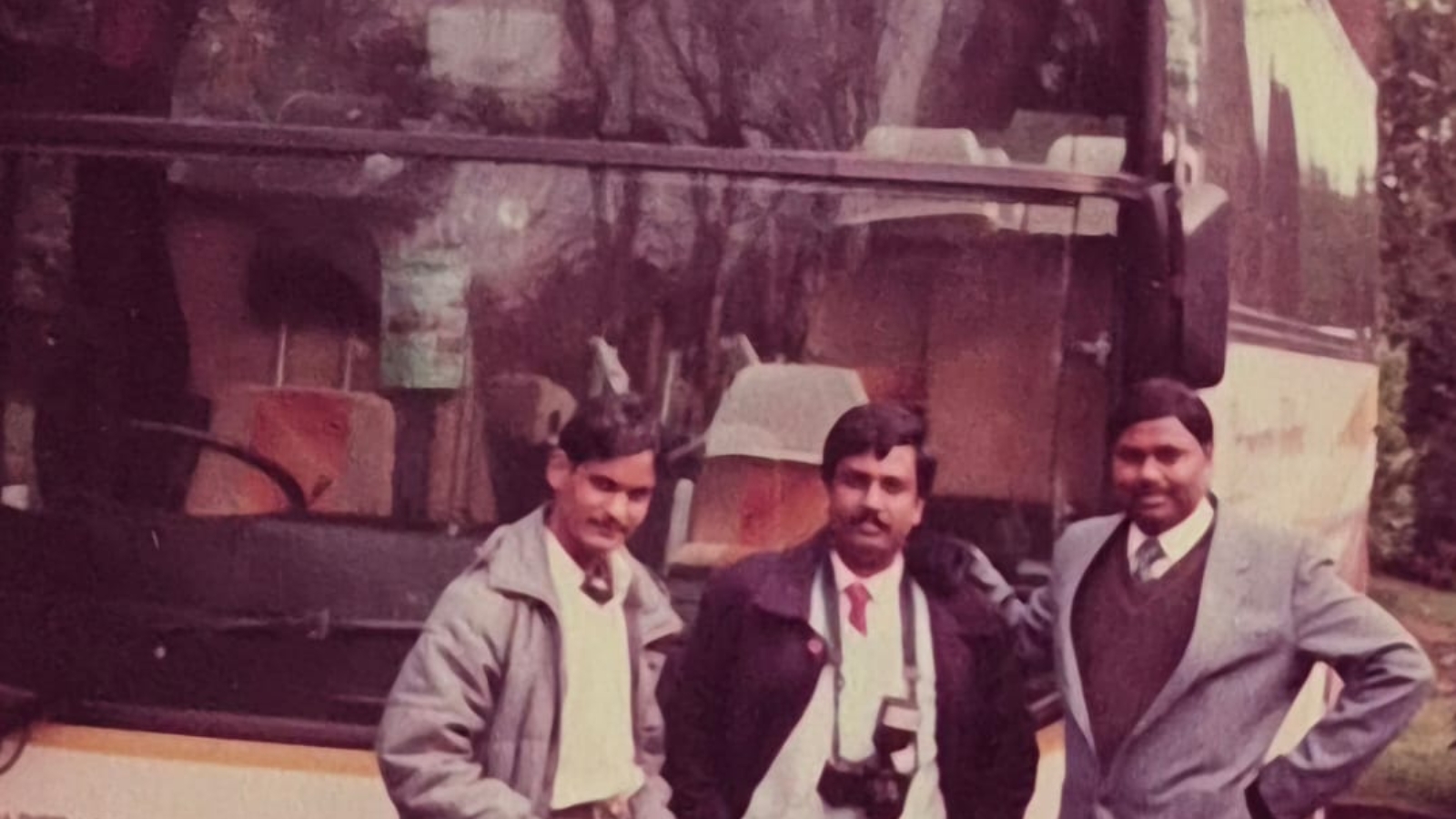
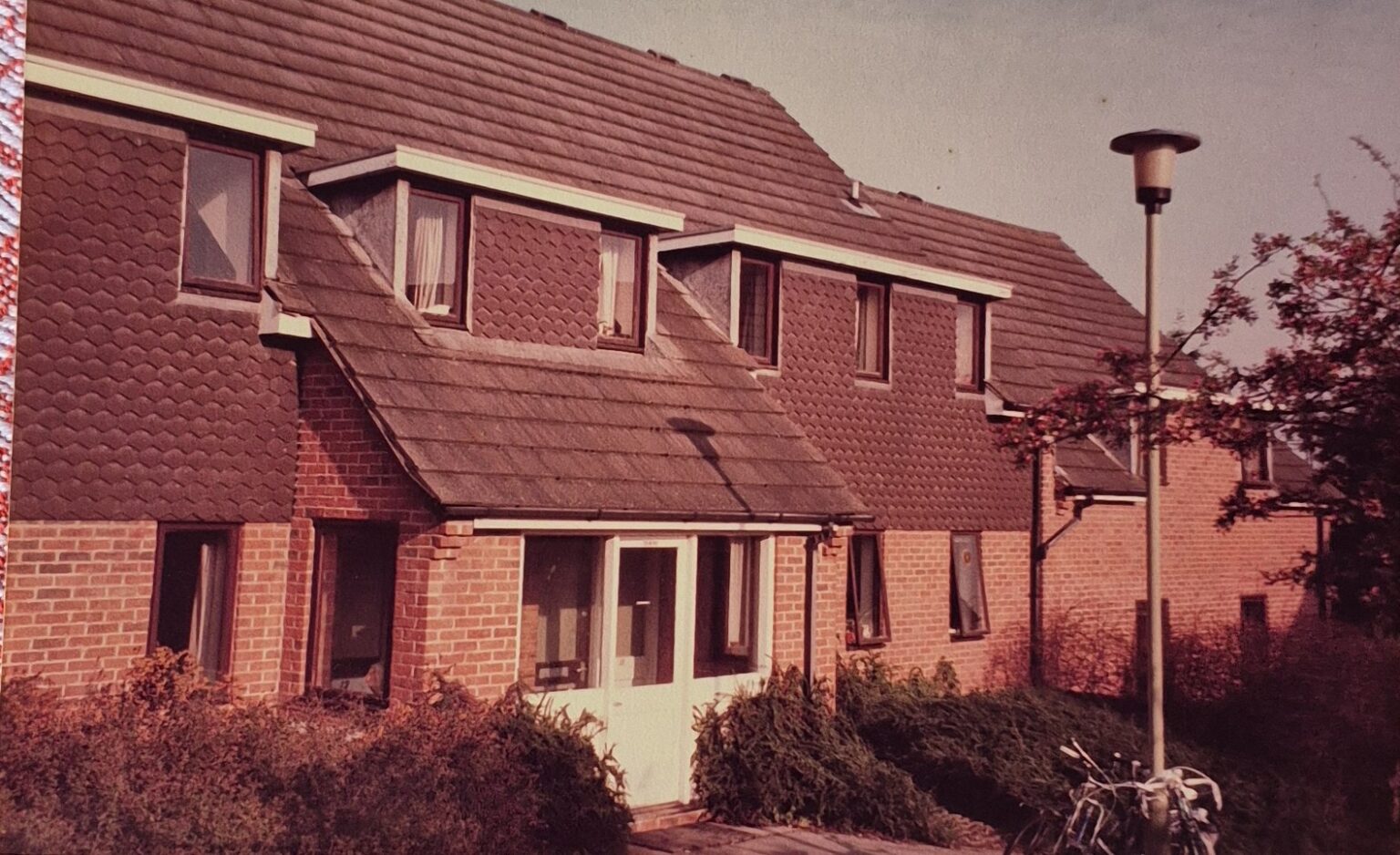
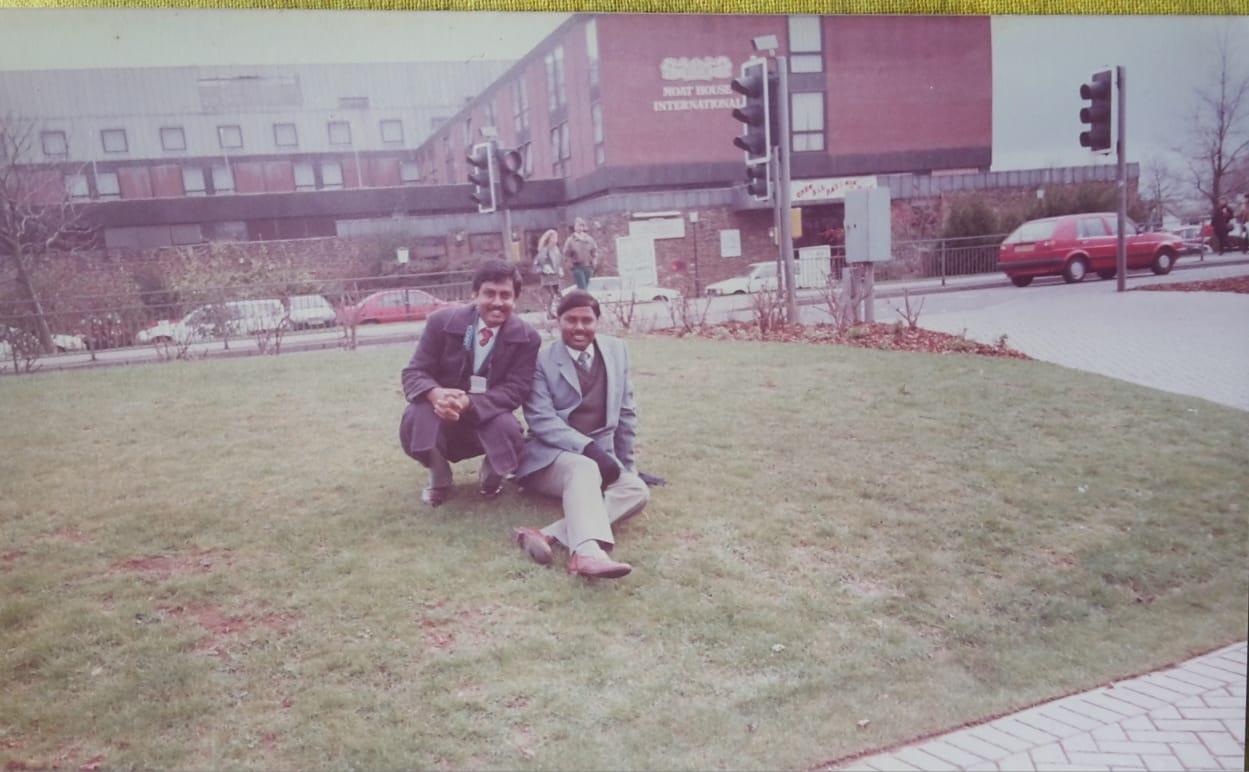
When I began my PhD in 1991 at the University of Reading, UK, I joined the Agricultural Extension and Rural Development Department (AERDD). It was housed in an old building at the Earley Gate, but its unassuming exterior belied its international acclaim. AERDD was renowned as one of the best in its field, boasting an exceptional faculty and a vibrant community of students pursuing various postgraduate courses, from MA in Rural Social Development and MSc in Agricultural Extension to Agricultural Education and postgraduate diplomas, alongside fellow PhD scholars like myself.

The international student body within the department was truly remarkable. It was a diverse group from different countries, offering immense opportunities for mutual learning and discovery. Among us were highly accomplished officers from the Indian Administrative Service (IAS), Indian Forest Service (IFS), and Indian Economic Service (IES), all deputed for specialized postgraduate studies, typically focusing on development studies or extension science. Many of these individuals became wonderful friends, but one particular IAS officer, Dr. I. Devendran, became more like a brother.

Mr. Devendran stayed at Hill Side, quite close to my own accommodation. He had initially come with his family, but as his demanding coursework progressed, he remained alone to complete his studies. We shared many memorable times, especially on weekends. Our routine often involved a trip to the town centre, followed by an impromptu decision at Reading railway station: “Where shall we go this weekend?” We’d travel to places like Bath, Edinburgh, Brighton, Stratford, Warwick… in addition to frequent weekends in London. Our journeys together always filled with engaging conversation. Dr. Devendran was incredibly knowledgeable, and a wonderful singer too, often serenading our walks. Our discussions ranged from intellectual debates to light-hearted chatter about cookery and friends, making our time together lively and enriching.

Occasionally, I’d visit his Hill Side home, where he’d whip up a delicious sambar, following his wife’s precise instructions. The other international inmates in his house, myself included, always savored this taste of home. I distinctly remember our trips to the town center to buy a week’s worth of groceries. The walk back along Cross Road to Hill Side, laden with heavy bags, was always an effort, but Dr. Devendran would insist, “Let us walk! Walking is a pleasure here because it’s cold.” He’d lighten the load with his beautiful songs, making the journey enjoyable. Once we reached home, a hot cup of tea awaited us, instantly relaxing us and setting the stage for more wonderful discussions ahead.

We are still in touch with the spirit of 1991!

Share

WhatsApp Image 2025-05-04 at 11.42.16 AM

LASTING LOVE

STRANDOMS: the stray and random thoughts

MAY 5 ,2025

S.RAMKUMAR

LASTING LOVE

True Love is heart’s find of the beautiful virtues of another person.

While physical beauty might initially draw the eye, it is the enduring qualities of affection, sacrifice, and unwavering care that truly bind souls together.

These deeper virtues weave the fine fabric of a real and lasting love, with varying shades!

Share

element5-digital-OyCl7Y4y0Bk-unsplash (1)

Teachers: students make them!

STRANDOMS: the stray and random thoughts

August 7, 2017

Prof. S. Ramkumar

Education, Life 

Teachers: students make them!

Man-making or Nation-building , the teacher is the instrumental foundation and means. This is an attempt to crystallize the thoughts on becoming a good teacher, may it be in schools, Colleges, Institutes or Universities.
  1. Preserving the curiosity

Primary to PhD , the pristine element of a teacher is the same “creating and leading a learning environment”. However I feel the responsibility is more so with school teachers, especially primary and secondary schools. In fact after the family to which a child is born (the members of which are the first teachers of their life), the inquisitiveness of the child is to be kept alive and promoted by the primary teachers, the foundation builders. I remember Mother Prosperous who was more than a teacher to me when I was in my 2nd standard, whom I met after so many years after she became the Generalite, who recognized me as the child who persistently asked questions. I remember her as a patient listener lovingly trying to explain to a 7 year old on the myriads of life, quite incomprehensible at that age.

  1. Nothing less than a role model

“The classrooms shape the destiny of a country”- brings out the role of teacher inside a classroom. Teachers are creating the future society, a responsible a and continuous task. This demand that there is nothing less than a role model expected from a teacher. This attributes great responsibility and sense of satisfaction for a teacher. Students learn what you do, not necessarily what you teach or say (except a subject taught). It’s not what is being taught that the children learn; its you they learn!

  1. Connecting to every student

Every learner, ( irrespective of the varying capacities we attribute to them) should feel that (s)he is being cared by the teacher. Classrooms should not be a generic totality of “one teacher” to “collection of students”(we do not have a collectivity name of a collection of learners like the pack of hounds or murder of crows, which can remind a teacher that each learner is unique with potentials of thinking and reasoning )); rather it has to emulate the feeling of “one teacher” to “each student”. This connectedness to each student is vital to create interest and involvement of students. The method of linking to each student involves innovations on creativity of connectedness on the part of teacher. Think a situation that every student feels that the teacher is his or hers!

4.Teaching doesn’t happen in vacuum

Every student or learner (an infant child to an old person; poor or rich; literate or illiterate) have a knowledge set of his own. Teaching is a process of sharing between two sets of knowledge, which is essentially communication. This should start by understanding and respecting this knowledge.

  1. Teaching to prepare for life: the litmus test : Teacher need to realize his/her role in a wider context to position himself or herself. Teaching cannot be measured in terms of the books or compositions corrected, examination papers set or answer books evaluated or the number of hours or periods spend in a class or laboratory (though all these are needed!). It is the qualitative change that has been brought out among the students in the “learning for life” that decides the result of teaching. The disciplines or subjects we try to transfer knowledge about are one of the tools effecting this change. Any subject for that matter is important, a tool that should be used in a wider understanding of purpose of education by a teacher. It has a lot to do with fitting into the setting, culture or heritage. “ Education is the perfecting of life- the enrichment of the individual by the heritage of the race. Let this vital process of transmission and absorption be interrupted for half a century, and civilization would end, our grandchildren would be more primitive than savages” Will Durant: 2014 “Fallen Leaves: last words on Life, Love War and God”. Swami Vivekananda’s advice as “ Education is the manifestation of perfection already in man”, is relevant and simple in making realize the role of a teacher to bring out the best in a child, which is already there. Any subject we teach is an opportunity for this.
  2. Being a Pansophist : Comenius, the famous educationist of the 17 century (sometimes named as Father of Modern education) had his concept of philosophy of “pansophism” which related to education for everyday life and called for a systematic relationship to be developed for all knowledge ( as against the conventional encyclopedic teaching”). He advocated teaching in the common or vernacular language of students rather than in Latin (in his place at that time!), and the establishment of a universal system of education with opportunities that included women and people of all nations. Interestingly India has preached one form of this as Vasudhaiyva Kudumbakom ( the vedic concept of world is a family). Pansophism would make a learner capable of wisdom in any subject and be “able to see any subject in relation to others”. (Robert. R. Rusk: The doctrines of the great educators: 1954). Teachers need to be attempt to be pansophists, at least to the extent that is possible.
  3. Teacher in the digital environment :As teaching undergoes changes, one of the new and powerful entrants to the field is the “Digital environment”. Actual learning happens now, as in earlier times in family, school and society. But one of the influential factor in all these is the digital teacher. The teachers need to rationalize the application of these for children giving them the opportunity to experience both the virtual and real. Teachers cannot take this as a matter of convenience or inconvenience. It’s a matter of opportunity , the ultimate aim is making the children fit for a successful life within a technology-led day of the present. The world has been so, applying the teachings of the day – logic, religion, science or – from Plato to Dr Abdul Kalam!

Share

brett-jordan-D44kHt8Ex14-unsplash

PLANTING PERSONALITIES IN THE PLANET

STRANDOMS: the stray and random thoughts

September 3, 2017

Prof. S. Ramkumar

Life 

PLANTING PERSONALITIES IN THE PLANET

September 5th is the Teachers Day. A look into the role of teachers. Dedicated to those great minds that create generations of goodwill.
“If we teach today’s students as we taught yesterday’s, we rob them of tomorrow.” (John Dewey, American philosopher and psychologist)

Everything teaches us: situations, people, flora, fauna… what doesn’t? But the contribution of “teachers” in molding us to be what we are, reverberates by the imminent touches of teachers in our daily lives. Good teachers live through, and with the learners, in maybe small but beautiful ways of how they deal and dwell on this planet.

Good teachers have a part of him/her living as a legend with us (the only systematic influence other than the inheritance of genes from parents!). My class mate in school, recently chatted from Panama; the first thing he typed was about Ramachandran Sir who taught us geography and about Panama Canal. My friend was so thrilled (and we all were ) that his efforts live: it’s not the subject, but how he delivered. Compared to the present day opportunities of teachers, we are quite sure that he had not been to Panama at that time!

You become a teacher when you realize that students respect you , not fear you. The respect is the realm of a new love- of freely speaking with a teacher- which evolves to the ideal relationship of a teacher growing to mentor.

“I never teach my pupils. I only attempt to provide the conditions in which they can learn.” (Einstein)

The tools of a teacher are appreciation, compliments, respect, love, care , concern and participation in guidance though the life of the learner. These tools have to be sensibly applied to raise the confidence and capacities of students, so as to make themselves happy in the path of life.

We often remember teachers, and hold them to heart for taking us through tough situations like when students think:

“Marks are less”

Complexity of thoughts like “ I am not as good as him/her”

“What shall I do in life?”

“I am Poor”

“I am not good at this”

“ I have problems at home, do I have a future?”

It’s not History, Chemistry, Computer Science, English, Medicine, Business or Engineering (ie. Subjects) that is vital for us as a teacher but how (s)he creates confidence in the learner to deal with life with the above tools that were mentioned earlier. It’s challenging. In teaching, the subject is only a medium – to create a mind to apply that- is the task of the teacher.

Teach them to walk alone or together in life.

“Do not confine your children to your own learning, for they were born in another time.”

(Chinese Proverb)

This is evident in the present day, when value education is repositioned with lesser priority in Schools and on the other end we need to build “committed citizens” (irrespective of knowledge brains) for building a Nation at a later stage. As Dr. Abdul Kalam envisions in “ A Manifesto for change”, “ we need to have a creative classroom, creative syllabus and creative teachers. The first two are comparatively easy, but the challenge is how to find creative teachers. Finding such teachers is the hardest task.

I remember many teachers (and students too!) for the “lessons of life” they taught me rather than the subjects dealt with. The students are amazing resource in teaching us many things. They remind us of the World that is transitional, lead us to the challenge of debating with ourselves on “right” and “wrong”, change our mindset on perceiving things- all for the better.

Back to teachers, the list for me starts with Late Sister Prosperous, who with her patience probably would have instilled a little something called ‘curiosity’. The list is never ending and can never be complete. But just few examples on the lessons learnt and subjects taught:

Amazing were the classes of Shri. Panikkar Sir in science, but what I learnt is the way of orderliness on his entry into the class, keeping books on one side of the table perfectly in an order, taking time to arrange himself, and his smile.

Prof. W. H. Mackaden, the passionate and Mrs. Radha Padmanaban, the elegant (writer of children’s stories) in Malabar Christian college who taught English, were magnets to whom we were hooked for long, during the “science dominated” courses. Inborn raconteurs. The passion for understanding writings and literature is the lesson learnt for life!

In Veterinary College it’s a long list, worth writing another Strandom!

In University of Reading, UK, again it’s a long list. Remember Prof. Maurice my mentor (a serious but genuine teacher) who taught travelling is learning and Prof Chris, the dynamism of decision making without delay. One of the softest feeling is for Late Gwynn Jones from Wales a real Country man reminding me of a straight innocent grandfather figure from a rural area of India. Was a pleasure to be with him.

Other than Judges in a Judiciary system, probably teachers are the only people who have the attribute of being neutral – to a group of students of a heterogeneous class at any time. Class, colour, community, creed, gender – nothing matters to a teacher who sees only a learner in every one. All are equal, capable (maybe in different aspects) and beautiful.

The onus of identifying, nurturing and creating generation of “responsible humans” largely lies with teacher, whether it’s in the first standard or during his PhD.
Share